- Animals
- ›Arthropods
- ›Crustaceans
- ›Typical Crustaceans
- ›Malacostracans
- ›Decapods, Isopods, and allies
- ›Decapods and Krill
- ›Decapods
- ›Crabs, Lobsters, Shrimps, and Allies
- ›Anomurans
- ›Mole Crabs
- ›Hippid Mole Crabs
- ›Emerita
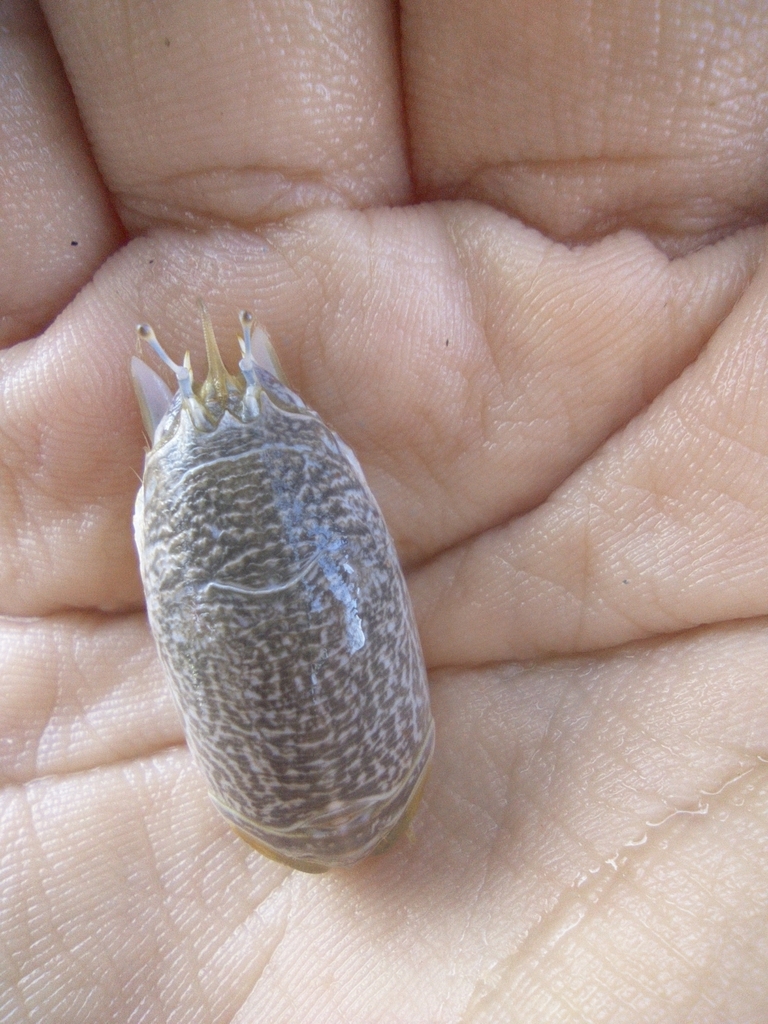
Puerto Rican Sand Crab
Emerita portoricensis
The Puerto Rican sand crab, Emerita portoricensis, is a species of "sand crab" belonging to the genus Emerita, which is native to the main island of Puerto Rico and its archipelago. This species has also been found on beaches off the coast of Venezuela. The most detailed study conducted on the species was done by Miguel P. Sastre between 1988 and 1992. This investigation determined that the species has diotic traits and that there are size and survival differences between sexes. Both sexes reach sexual maturity three months after birth.
From the article Puerto Rican sand crab on Wikipedia (CC BY-SA), quoted section by section
What it does
Puerto Rican sand crabs, along with Hippa cubensis, Emerita brasiliensis, and Lepidora richmondi inhabit the sandy beaches of Golfo Triste in Venezuela. Using their uropods, they dig into the sand, primarily in the surf zone. As filter feeders, they use their antennae to catch detritus and plankton caught in the waves.
This species is also a good bioindicator for mercury levels in the water. In one study, mercury levels in E. portoricensis tended to be higher when compared to the sediment samples around it.
Wikipedia: “Ecology”
Where it lives
Recorded sightings
—
geo-referenced records in GBIF, from museums, herbaria and field observers.
Drag the globe to turn it. Dots are where records exist, not a range map; darker means more records.
In the stacks
Searching the stacks…
Every page naming Emerita portoricensis in the Biodiversity Heritage Library →
This page is assembled live from iNaturalist, GBIF, Wikipedia, the Source Library and the Internet Archive. It is not yet part of the hand-edited codex. iNaturalist taxon 338766.