- Fungi Including Lichens
- ›Ascomycete Fungi
- ›Sac Fungi and Lichens
- ›Dothideomycetes
- ›Abrothallales
- ›Lichenoconiaceae
- ›Abrothallus
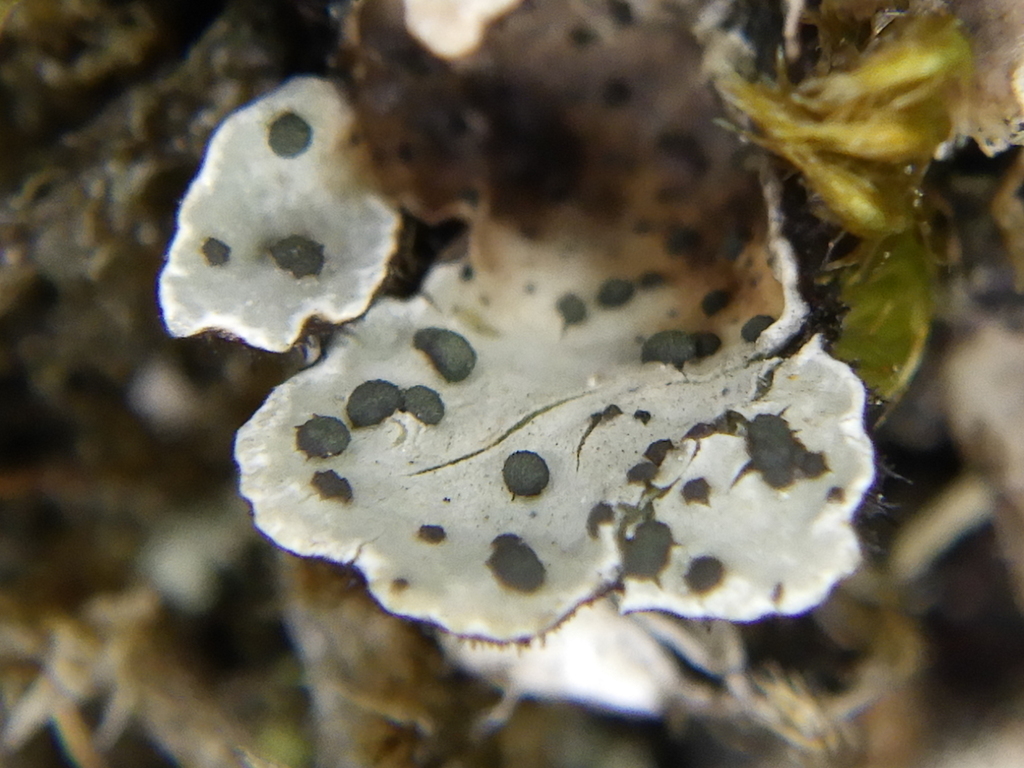
Abrothallus parmeliarum
Abrothallus parmeliarum is a species of lichenicolous fungus. It grows on the thallus and apothecia (fruiting bodies) of Parmelia species.
The fungus was first described scientifically by the Norwegian botanist Søren Christian Sommerfelt in 1826. In 2018, a proposal was made to conserve the name Lecidea parmeliarum (later Abrothallus parmeliarum), against Endocarpon parasiticum, an older basionym dating from 1814. The conservation was recommended in 2023 by the Nomenclature Committee for Fungi due to the widespread use and recognition of Abrothallus parmeliarum as a common lichenicolous fungus, despite the priority of the lesser-used Endocarpon parasiticum. This action was supported to preserve the nomenclatural stability of what is considered the best-known species name among lichenicolous fungi.
Where it lives
Recorded sightings
—
geo-referenced records in GBIF, from museums, herbaria and field observers.
Drag the globe to turn it. Dots are where records exist, not a range map; darker means more records.
In the stacks
Searching the stacks…
Every page naming Abrothallus parmeliarum in the Biodiversity Heritage Library →
This page is assembled live from iNaturalist, GBIF, Wikipedia, the Source Library and the Internet Archive. It is not yet part of the hand-edited codex. iNaturalist taxon 212191.