- Animals
- ›Arthropods
- ›Crustaceans
- ›Typical Crustaceans
- ›Malacostracans
- ›Decapods, Isopods, and allies
- ›Amphipods, Isopods, and Allies
- ›Isopods
- ›Woodlice, Pillbugs, and Rock Slaters
- ›Woodlice and Pillbugs
- ›Tylida
- ›Calloused Beach Pillbugs and Heller's Isopod

Calloused Beach Pillbugs
Tylos
Tylos (Ancient Greek: Τύλος) was the Greek exonym of ancient Bahrain in the classical era, during which the island was a center of maritime trade and pearling in the Erythraean Sea. The name Tylos is thought to be a Hellenisation of the Semitic Tilmun (from Dilmun). From the 6th to 3rd century BC Bahrain was part of the Persian Empire. After the conquest of Persia by Alexander the Great, his admiral Nearchus led an expedition which discovered the island, and serving under Nearchus was Androsthenes of Thasos, who left an extensive account of the island in Periplus of India, the source of many subsequent writers, including the contemporary botanist Theophrastus, who states that the island was a rich source of cotton and timber.
23 branches of this genus, most-observed first
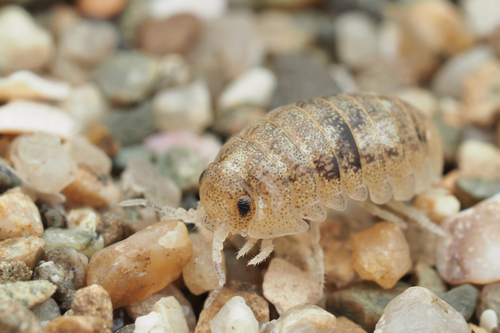
Tylos granuliferus
speciesTylos granuliferus

European Calloused Beach Pillbug
speciesTylos europaeus

Pontic Calloused Beach Pillbug
speciesTylos ponticus

Granulated Calloused Beach Pillbug
speciesTylos granulatus

Spotted Calloused Beach Pillbug
speciesTylos punctatus
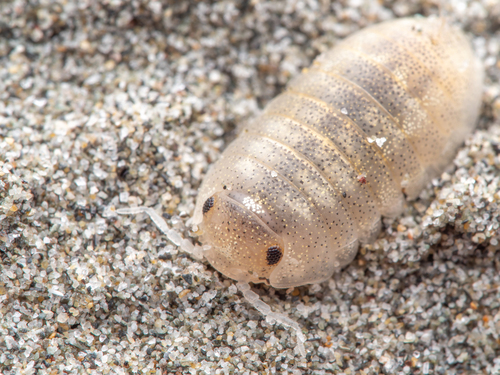
New Zealand Calloused Beach Pillbug
speciesTylos neozelanicus

Snowy Calloused Beach Pillbug
speciesTylos niveus

Cape Calloused Beach Pillbug
speciesTylos capensis
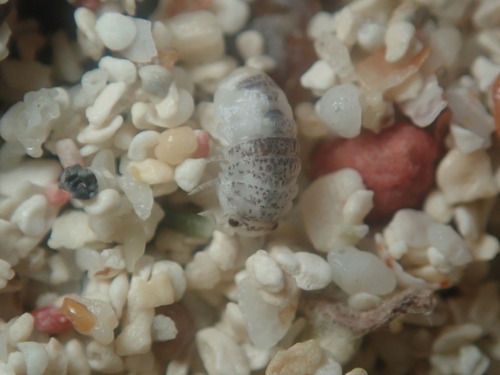
Marcuzzi's Calloused Beach Pillbug
speciesTylos marcuzzii
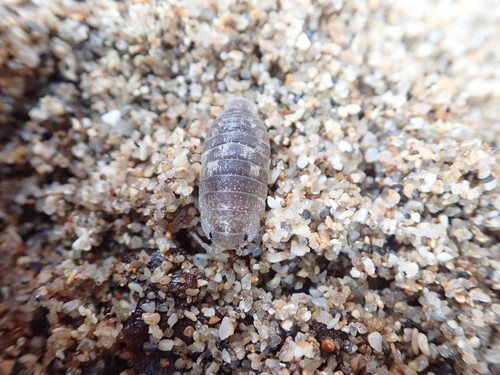
Wegener's Calloused Beach Pillbug
speciesTylos wegeneri
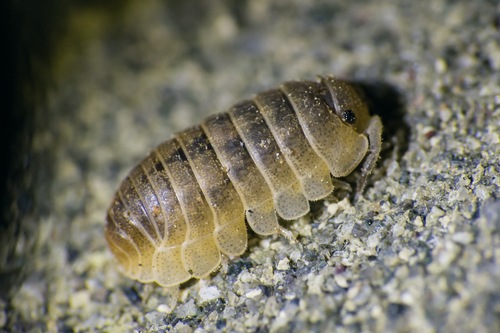
Tylos chilensis
speciesTylos chilensis
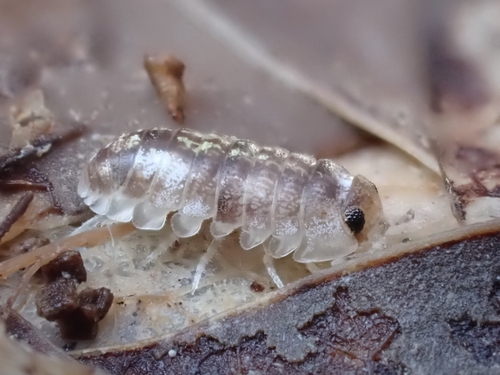
Tylos maindroni
speciesTylos maindroni
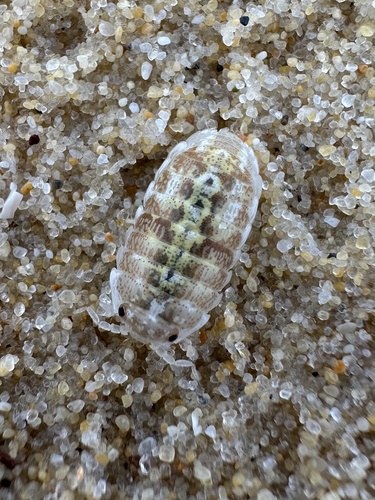
Australian Calloused Beach Pillbug
speciesTylos australis
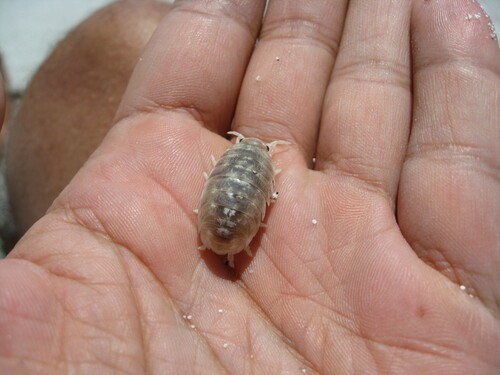
Tylos spinulosus
speciesTylos spinulosus
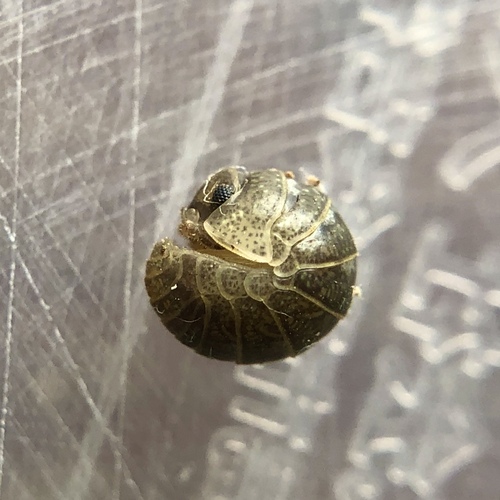
Tylos minor
speciesTylos minor
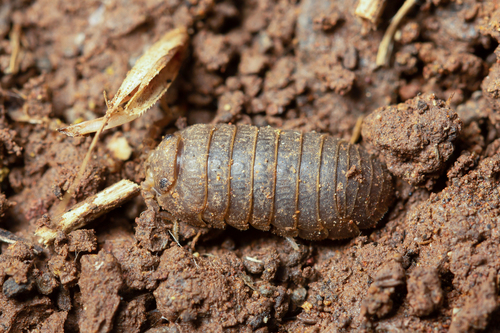
Tylos madeirae
speciesTylos madeirae
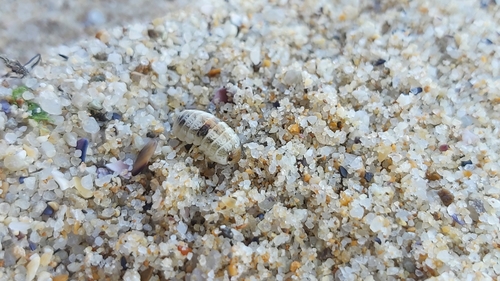
Latreille's Calloused Beach Pillbug
speciesTylos latreillei
Tylos albidus
speciesTylos albidus
Tylos exiguus
speciesTylos exiguus
Tylos negroi
speciesTylos negroi
Tylos opercularis
speciesTylos opercularis
Tylos tantabiddy
speciesTylos tantabiddy
Naked Calloused Beach Pillbug
speciesTylos nudulus
Where it lives
Recorded sightings
—
geo-referenced records in GBIF, from museums, herbaria and field observers.
Drag the globe to turn it. Dots are where records exist, not a range map; darker means more records.
In the stacks
Searching the stacks…
Every page naming Tylos in the Biodiversity Heritage Library →
This page is assembled live from iNaturalist, GBIF, Wikipedia, the Source Library and the Internet Archive. It is not yet part of the hand-edited codex. iNaturalist taxon 210131.