- Animals
- ›Chordates
- ›Vertebrates
- ›Mammals
- ›Therians
- ›Placental Mammals
- ›Primates, Rodents, and Allies
- ›Rodents
- ›Squirrels, Dormice, and Mountain Beavers
- ›Squirrels
- ›Ground and African Tree Squirrels

Holarctic Ground Squirrels
Marmotini
Ground squirrels are rodents of the squirrel family (Sciuridae) that generally live on the ground or in burrows, rather than in trees like the tree squirrels. The term is most often used for the medium-sized ground squirrels, as the larger ones are more commonly known as marmots (genus Marmota) or prairie dogs, while the smaller and less bushy-tailed ground squirrels tend to be known as chipmunks (genus Tamias).
Together, they make up the "marmot tribe" of squirrels, Marmotini, a clade within the large and mainly ground squirrel subfamily Xerinae, and containing six living genera. Well-known members of this largely Holarctic group are the marmots (Marmota), including the American groundhog, the chipmunks, the susliks (Spermophilus), and the prairie dogs (Cynomys). They are highly variable in size and habitus, but most are remarkably able to rise up on their hind legs and stand fully erect comfortably for prolonged periods. They also tend to be far more gregarious than other squirrels, and many live in colonies with complex social structures. Most Marmotini are rather short-tailed and large squirrels. At up to 8 kg (18 lb) or more, certain marmots are the heaviest squirrels.
11 branches of this tribe, most-observed first · about 71 known species

Marmots
genusMarmota

North American Rock Squirrels
genusOtospermophilus

Long-tailed Ground Squirrels
genusUrocitellus
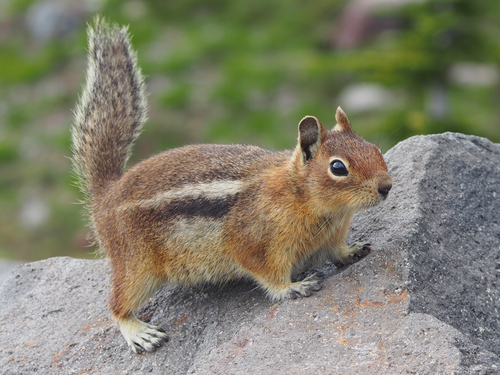
Mountain Striped Ground Squirrels
genusCallospermophilus

Prairie Dogs
genusCynomys

Antelope Squirrels
genusAmmospermophilus

Lined Ground Squirrels
genusIctidomys

Pygmy Ground Squirrels
genusXerospermophilus

Old World Ground Squirrels
genusSpermophilus

Franklin's Ground Squirrels
genusPoliocitellus
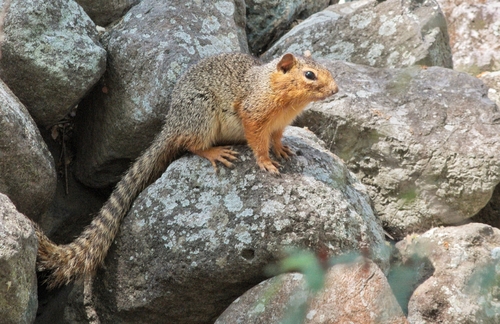
Tropical Ground Squirrels
genusNotocitellus
Where it lives
Recorded sightings
—
geo-referenced records in GBIF, from museums, herbaria and field observers.
Drag the globe to turn it. Dots are where records exist, not a range map; darker means more records.
In the stacks
Searching the stacks…
Every page naming Marmotini in the Biodiversity Heritage Library →
This page is assembled live from iNaturalist, GBIF, Wikipedia, the Source Library and the Internet Archive. It is not yet part of the hand-edited codex. iNaturalist taxon 209650.