Phaeodactylineae
Phaeodactylum tricornutum is a diatom, the only species in the genus Phaeodactylum. Unlike other diatoms, P. tricornutum can exist in different morphotypes (fusiform, triradiate, and oval) and changes in cell shape can be stimulated by environmental conditions. This feature can be used to explore the molecular basis of cell shape control and morphogenesis. Unlike most diatoms, P. tricornutum can grow in the absence of silicon and can survive without making silicified frustules. This provides opportunities for experimental exploration of silicon-based nanofabrication in diatoms.
Another peculiarity is that during asexual reproduction the frustules do not appear to become smaller. This allows continuous culture without need for sexual reproduction. It is not known if P. tricornutum can reproduce sexually. To date no substantial evidence has been found to support sexual reproduction in a laboratory or other setting. Although P. tricornutum can be considered to be an atypical pennate diatom, it is one of the main diatom model species. A transformation protocol has been established and RNAi vectors are available. This makes molecular genetic studies much easier.
1 branches of this suborder, most-observed first
See this branch on the Wheel of Life →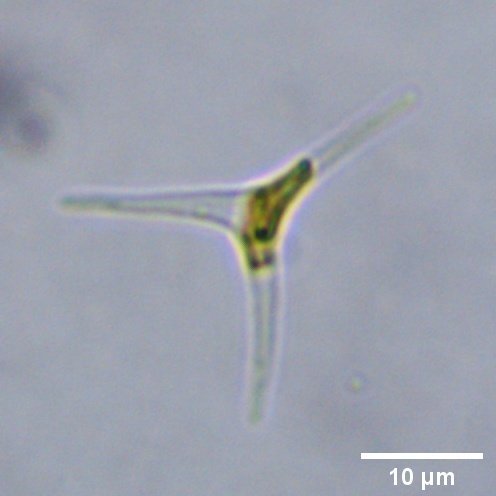
Where it lives
Recorded sightings
—
geo-referenced records in GBIF, from museums, herbaria and field observers.
Drag the globe to turn it. Dots are where records exist, not a range map; darker means more records.
In the stacks
Searching the stacks…
Every page naming Phaeodactylineae in the Biodiversity Heritage Library →
This page is assembled live from iNaturalist, GBIF, Wikipedia, the Source Library and the Internet Archive. It is not yet part of the hand-edited codex. iNaturalist taxon 1592677.