
Brachiopods
Brachiopoda
Brachiopods (), phylum Brachiopoda, are a phylum of animals that have hard "valves" (shells) on the upper and lower surfaces, unlike the left and right arrangement in bivalve molluscs. Brachiopod valves are hinged at the rear end, while the front can be opened for feeding or closed for protection.
Two major categories are traditionally recognized, articulate and inarticulate brachiopods. The word "articulate" is used to describe the tooth-and-groove structures of the valve-hinge, which is present in the articulate group and absent from the inarticulate group. This is the leading diagnostic skeletal feature by which the two main groups can be readily distinguished as fossils. Articulate brachiopods have toothed hinges and simple, vertically oriented opening and closing muscles. Conversely, inarticulate brachiopods have weak, untoothed hinges and a more complex system of vertical and oblique (diagonal) muscles used to keep the two valves aligned. In many brachiopods, a stalk-like pedicle projects from an opening near the hinge of one of the valves, known as the pedicle or ventral valve. The pedicle, when present, keeps the animal anchored to the seabed but clear of sediment which would obstruct the opening.
3 branches of this phylum, most-observed first

Articulate Brachiopods
subphylumRhynchonelliformea
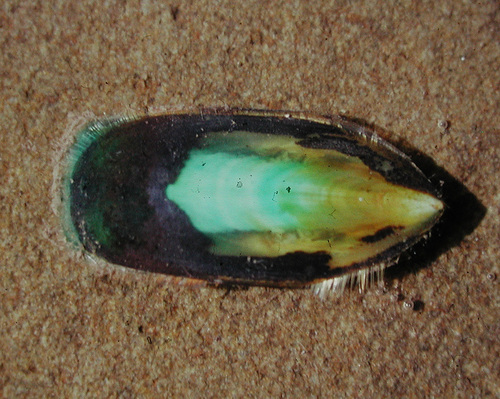
Linguliform Brachiopods
subphylumLinguliformea
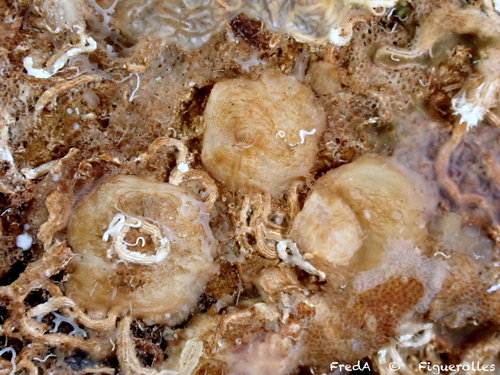
Craniiform Brachiopods
subphylumCraniiformea
Where it lives
Recorded sightings
—
geo-referenced records in GBIF, from museums, herbaria and field observers.
Drag the globe to turn it. Dots are where records exist, not a range map; darker means more records.
In the stacks
Searching the stacks…
Every page naming Brachiopoda in the Biodiversity Heritage Library →
This page is assembled live from iNaturalist, GBIF, Wikipedia, the Source Library and the Internet Archive. It is not yet part of the hand-edited codex. iNaturalist taxon 122158.