- Animals
- ›Chordates
- ›Vertebrates
- ›Ray-finned Fishes
- ›Spiny-rayed fishes
- ›Perches, Scorpionfishes, Sticklebacks, and Allies
- ›Sticklebacks and Allies
- ›Sticklebacks
- ›Pungitius
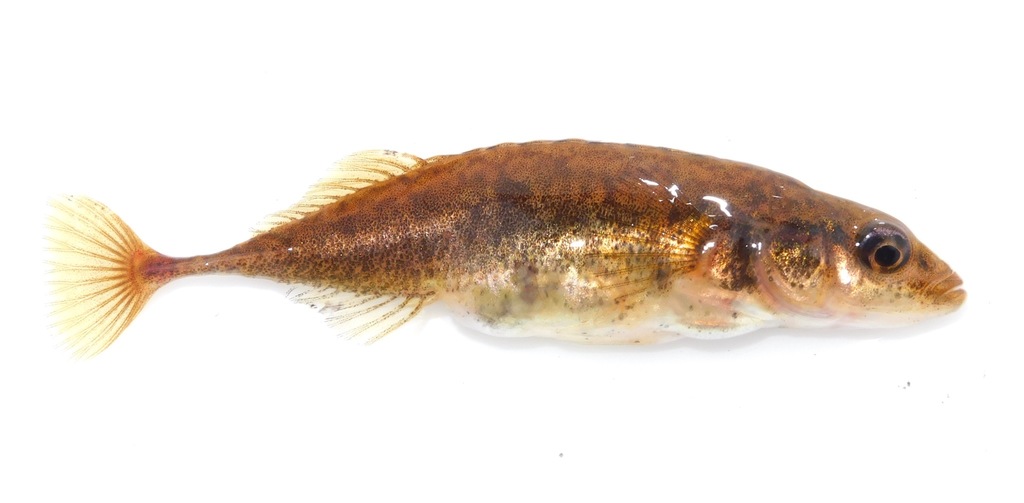
Amur Stickleback
Pungitius sinensis
The Amur stickleback (Pungitius sinensis) is a species of fish in the family Gasterosteidae. This freshwater, brackish water, or marine benthopelagic fish is usually 6.5 cm (up to 9 cm) in length. It is widespread in East Asia: off the Korean peninsula, northeast and north China, Japan, the Kuril Islands, the Kamchatka peninsula, and the basin of the Amur River.
From the article Amur stickleback on Wikipedia (CC BY-SA), quoted section by section
Description
This benthopelagic fish inhabits freshwater, brackish water, and marine environments, and typically reaches a length of around 6.5 cm (up to 9 cm), though some individuals can grow up to 9 cm. However, specimens found in Korea, particularly in the Namdaecheon stream in Gangwon Province, have been reported to reach lengths of up to 15 cm. It is characterized by a series of sharp spines along its back, which serve as a defense mechanism. Its dorsal area is brown, while its ventral side is yellow.
Wikipedia: “Characteristics”
What it does
It is widespread in East Asia: off the Korean Peninsula, northeast and north China, Japan, the Kuril Islands, the Kamchatka peninsula, and the basin of the Amur River. It shows a preference for clean freshwater habitats like the Namdaecheon stream, rather than saline marine waters. During the breeding season, which lasts from April to August, male gasigogi construct nests using aquatic plants and leaves to attract females. After the female deposits her eggs, the male guards them diligently, aerating them with his pectoral fins by circulating fresh water. Remarkably, the male refrains from eating for about fifteen days during this period, focusing entirely on protecting and tending to the eggs.
Wikipedia: “Ecology”
Where it lives
Recorded sightings
—
geo-referenced records in GBIF, from museums, herbaria and field observers.
Drag the globe to turn it. Dots are where records exist, not a range map; darker means more records.
In the stacks
Searching the stacks…
Every page naming Pungitius sinensis in the Biodiversity Heritage Library →
This page is assembled live from iNaturalist, GBIF, Wikipedia, the Source Library and the Internet Archive. It is not yet part of the hand-edited codex. iNaturalist taxon 500510.