The Apothecary / Whole body & tonics
Poisoning (antidotes)
25 remedies
See a doctor if
Call a poison centre or emergency services.
Reference, not prescription. Nothing here is medical advice. Herbs can interact with medicines and be dangerous in pregnancy; tell your doctor or pharmacist about anything you take.
Strong evidence
StrongAn approved medicine, or consistent good-quality trials and reviews.Calabar bean
Physostigma venenosum
Physostigmine reverses the anticholinergic (antimuscarinic) toxidrome, used in hospital since an 1864 case of atropine poisoning in Prague. In a small blinded trial in adolescents (19 patients), it controlled delirium better than lorazepam (delirium after 4-hour infusion 22% vs 100%) without serious adverse events; in an 815-patient US toxicology registry, patients given physostigmine alone were intubated less often.
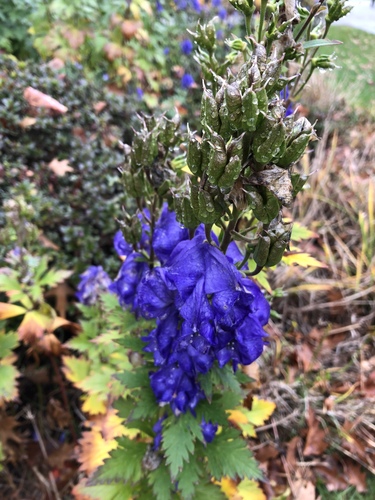
Chinese aconite
Aconitum carmichaelii
Aconite is a leading cause of serious herbal poisoning: about 5,000 incidents have been reported in China and Hong Kong, at least 40 fatal cases (53 victims) were documented in China between 2003 and 2015, and in-hospital mortality in a review of cases was 5.5%. Recorded here as a hazard, not a use.
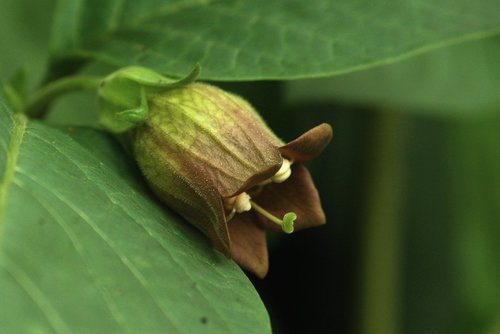
Deadly nightshade
Atropa bella-donna
Atropine, the alkaloid first isolated from belladonna in 1833, is the antidote for organophosphate pesticide and nerve-agent poisoning, blocking acetylcholine at muscarinic receptors. It is on the WHO Model List of Essential Medicines.
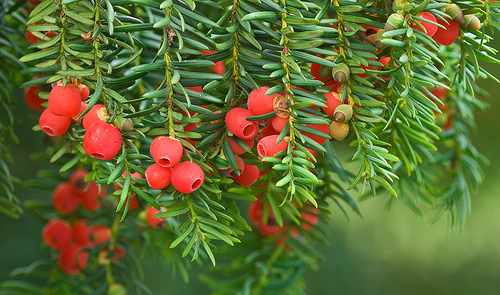
English yew (European yew)
Taxus baccata
Not a treatment but a cause: taxine alkaloids block cardiac sodium and calcium channels, causing heart failure and death in people and animals. A 2022 forensic report describes a woman who died after drinking a foraged yew-leaf preparation.

Guang fang ji
Aristolochia fangchi
Aristolochic acid nephropathy: progressive scarring of the kidney's interstitial tissue, often silent until kidney failure, and a high rate of cancer of the ureter, renal pelvis and bladder. Of 39 Belgian patients with end-stage disease who had their native kidneys and ureters removed, 18 (46%) had urothelial carcinoma; all tissue carried aristolochic-acid DNA adducts, and a cumulative dose above 200 g of the herb raised the cancer risk.
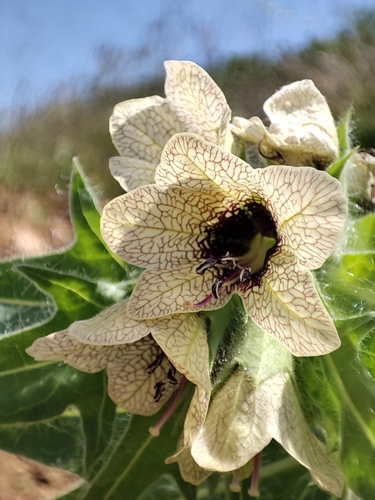
Henbane
Hyoscyamus niger
All parts are poisonous. Poisoning produces the anticholinergic syndrome: dilated pupils, fast heart, dry mouth, hot flushed skin, urinary retention, hallucinations, delirium, agitation, convulsions and coma. Treatment is supportive (gastric emptying, activated charcoal, benzodiazepines), with the antidote physostigmine for severe cases; deaths are rare but documented.

Jimsonweed (Thorn apple)
Datura stramonium
Not a treatment but a frequent cause of poisoning: in 1994 clusters in Texas, New York and California, two teenagers died after drinking root tea; symptoms last 24–48 hours. Care is supportive, with physostigmine reserved for severe cases.
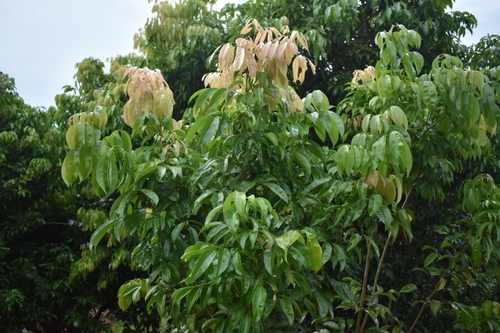
Lychee
Litchi chinensis
Not a treatment but a cause: in the 2014 Muzaffarpur outbreak, 390 children were admitted with acute encephalopathy and 122 (31%) died. Eating lychees (odds ratio 9.6) and missing the evening meal were linked to illness; hypoglycin A or MCPG metabolites were found in 66% of patients' urine and none of the controls'. Investigators recommended limiting lychee eating, ensuring an evening meal, and rapid glucose correction in sick children.
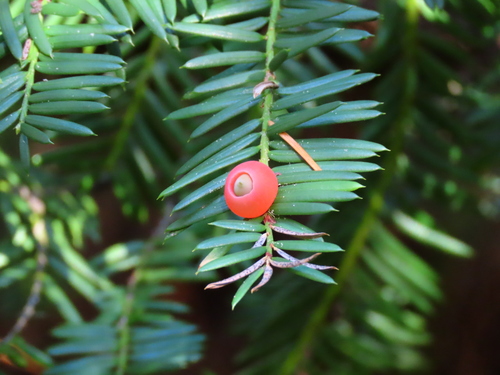
Pacific yew
Taxus brevifolia
Not a treatment but a cause: the leaves, bark and seeds contain cardiotoxic taxine alkaloids, and a fatal ingestion of Pacific yew was reported in 2023.

Tuba root
Derris elliptica
Not a remedy but a poison: a 2024 scoping review of human rotenone poisoning found 11 case reports covering 18 people, five of whom died; vomiting and metabolic acidosis were the commonest signs, and cardiac arrest was fatal in every case where it occurred. Deliberate eating of rotenone-containing roots was formerly reported as a means of suicide in New Ireland, Papua New Guinea.
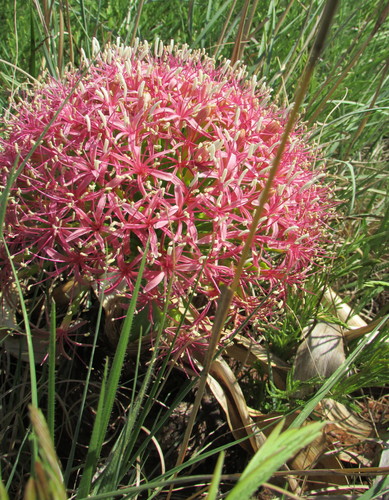
Tumbleweed
Boophone disticha
Oral concoctions of the bulb cause sedation, visual hallucinations, irrational behaviour, coma or death. A forensic case describes a man who drank about 150 ml of a bulb concoction, hallucinated that he was being attacked, and shot people, killing one. Teenage misuse for hallucinogenic effects has caused serious poisoning in Zimbabwe. In rats the oral LD50 of a bulb extract was only 120–240 mg/kg, with tremors, convulsions and paralysis.

Vietnamese sophora
Sophora tonkinensis
Three children given overdoses of S. subprostrata root decoctions for hepatitis, throat infection or a facial infection developed convulsions, mental changes and dystonia, with lesions of the basal ganglia on CT/MRI; matrine and oxymatrine were suspected. In Hong Kong, 83 laboratory-confirmed Sophora alkaloid poisonings (mostly from the related S. flavescens) caused dizziness, vomiting and palpitations.
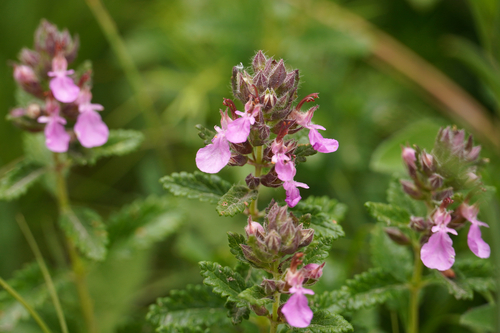
Wall germander
Teucrium chamaedrys
Seven patients in the French pharmacovigilance network developed hepatitis with jaundice 3–18 weeks after starting germander; liver biopsies showed hepatocyte necrosis, and in three the hepatitis returned promptly when germander was restarted. LiverTox states that germander liver injury can be severe and lead to death.
Limited evidence
LimitedSmall or few trials, mixed results, or mainly lab and animal work.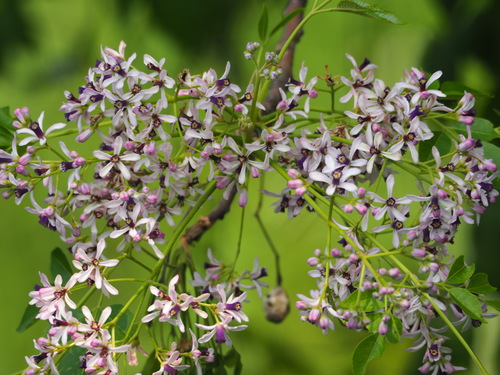
Chinaberry
Melia azedarach
Toosendanin counteracted botulinum toxin in isolated nerve-muscle preparations, mice and rhesus monkeys, and a 1985 Chinese clinical report found oral toosendanin relieved botulism symptoms, with recovery when combined with antitoxin serum.
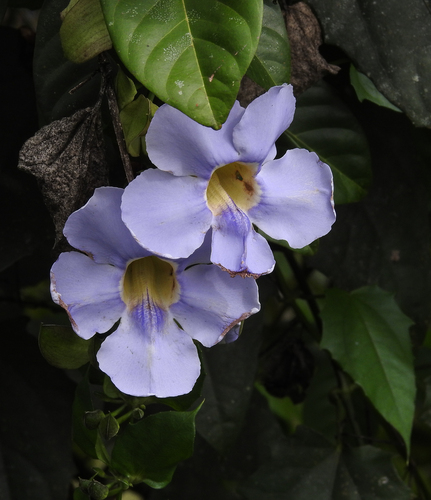
Laurel clock vine
Thunbergia laurifolia
Thai traditional medicine clinics give rang chuet tea to detoxify pesticides and alcohol, and it is on Thailand's essential medicines list for detoxification of poisons. A leaf extract reduced paraquat-induced kidney injury in rats and lowered oxidative stress from toxicants in liver cells. There are no clinical trials in poisoned people; poisoning needs emergency medical care.
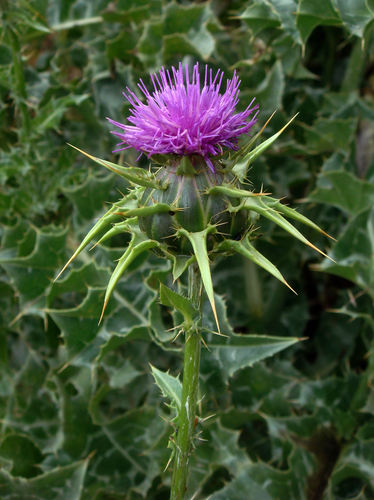
Milk thistle
Silybum marianum
Intravenous silibinin is given in some European hospitals for death-cap (Amanita phalloides) poisoning; animal work shows it blocks amatoxin uptake by liver cells. There are no controlled trials, much of the favourable data come from the manufacturer, and an Australian case series found mortality stayed high. This is an emergency treated only in hospital.
Traditional use
TraditionalLong recorded use, essentially untested in clinical trials.
Antrodia
Taiwanofungus camphoratus
Traditionally used by aboriginal tribes in Taiwan for food poisoning.

Curare strychnos
Strychnos toxifera
Historical only: in 1850 George Harley reported curare (wourali) as a treatment for tetanus and strychnine poisoning, by paralysing the convulsing muscles. This use was superseded by modern neuromuscular blockers given with breathing support.
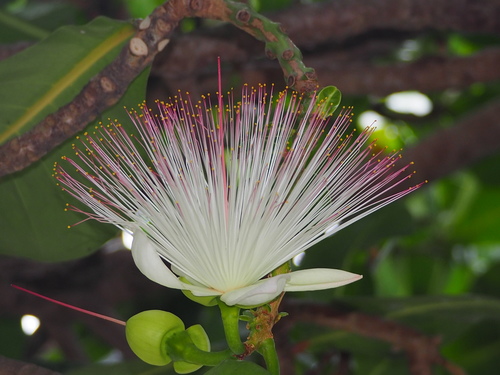
Fish poison tree
Barringtonia asiatica
One of the three plants most cited for ciguatera (poisoning from reef fish) in a 2021 survey of six islands in French Polynesia, and commonly reported for ciguatera in Fiji, where the nut is extracted in water or the bark in warm water. Neither use has been tested, and the Polynesian survey authors single it out as possibly toxic.
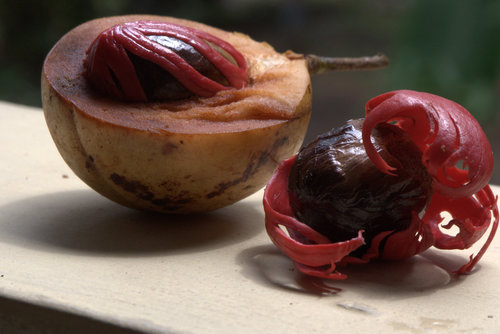
Nutmeg
Myristica fragrans
Not a remedy but a cause of poisoning. Poison-centre series from Illinois and Texas describe tachycardia, nausea, vomiting, agitation and hallucinations after large ingestions, often taken deliberately by adolescents.

Ordeal tree
Erythrophleum suaveolens
Recorded in Nigerian ethnomedicine for venom intoxication; untested, and the bark itself is a poison.
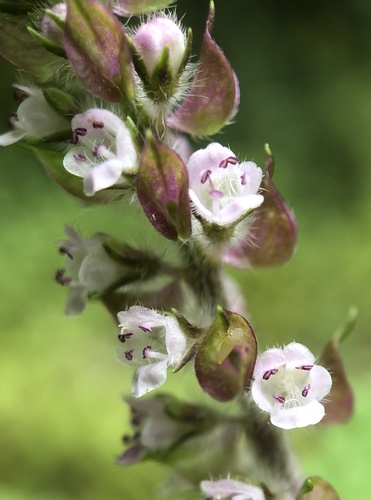
Perilla
Perilla frutescens
Recorded since Li Shizhen's Bencao Gangmu for food poisoning from fish and crabs.
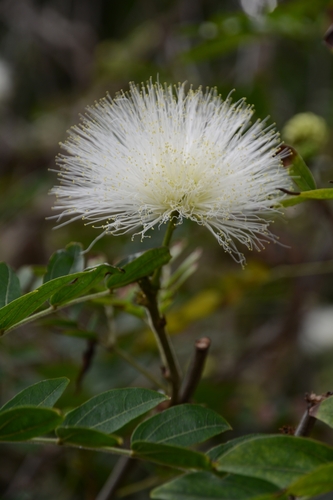
Siris
Albizia lebbeck
Charaka Samhita calls Shirisha the foremost of anti-poison drugs (Vishaghneshu Shirisha shreshta), and Panchashirishadi Agad, made from five parts of the tree, is indicated for poison-related disorders. It is not a treatment for poisoning or bites, which need emergency care.

Stool wood
Alstonia boonei
A tincture of fresh bark is used as an antidote against snake, rat or scorpion poison; untested.
