The Apothecary / Nerves, sleep & pain
Parkinson's disease
4 remedies
See a doctor if
Parkinson's medicines must not be stopped or changed without a neurologist; plant sources of levodopa vary in strength and can interact with prescribed levodopa.
Reference, not prescription. Nothing here is medical advice. Herbs can interact with medicines and be dangerous in pregnancy; tell your doctor or pharmacist about anything you take.
Limited evidence
LimitedSmall or few trials, mixed results, or mainly lab and animal work.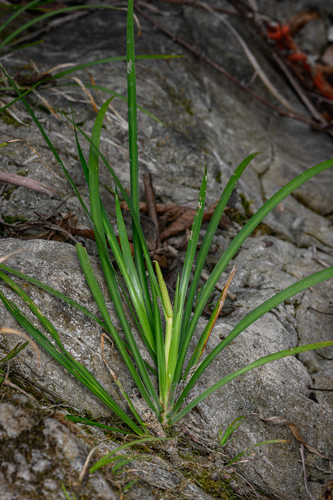
Japanese sweet flag
Acorus gramineus
An aqueous extract reduced neuroinflammation in cells and protected mice from MPTP neurotoxicity; β-asarone increased the effect of levodopa in rats. Animal and cell data only.
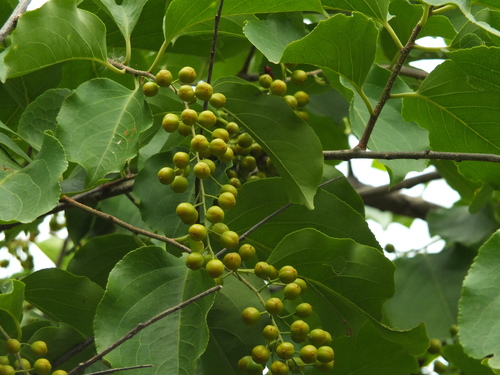
Jyotishmati
Celastrus paniculatus
Seed oil and extracts were neuroprotective in a rat model and in cell models of Parkinson's disease; no human studies.
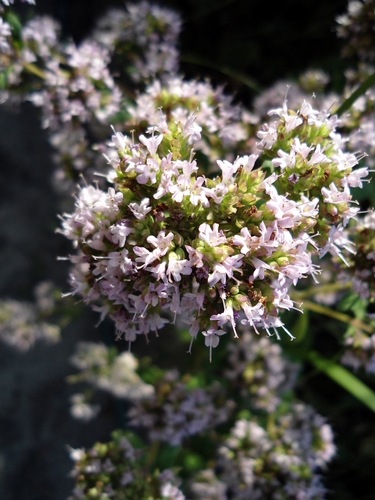
Marjoram
Origanum majorana
In a 30-day randomised, placebo-controlled pilot (55 participants, 30 on tea), daily marjoram tea raised the antioxidant enzymes SOD and catalase and lowered protein oxidation in blood; effects on symptoms or progression were not reported.
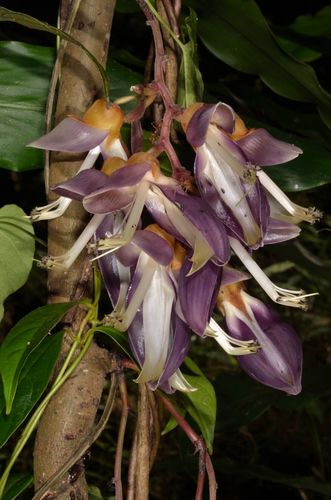
Velvet bean
Mucuna pruriens
A 2025 systematic review of five clinical trials (108 participants) comparing mucuna with levodopa found consistent symptom improvement, but rated only one trial high quality. In a 2017 double-blind crossover trial in 18 people with advanced Parkinson's, a single high dose of roasted-seed powder met non-inferiority to dispersible levodopa/benserazide, with fewer dyskinesias. A 12-month trial in 32 untreated patients in Ghana found mucuna powder non-inferior to standard levodopa.