The Apothecary / Kidneys & bladder
Fluid retention
48 remedies
See a doctor if
Swollen legs with breathlessness may be heart failure.
Reference, not prescription. Nothing here is medical advice. Herbs can interact with medicines and be dangerous in pregnancy; tell your doctor or pharmacist about anything you take.
Moderate evidence
ModerateSeveral trials, mostly positive, or an EMA ‘well-established use’ monograph.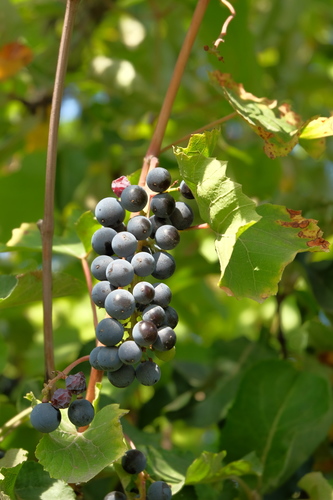
Grape vine
Vitis vinifera
Leg-volume reduction in venous insufficiency is the measured outcome of the main trials; the EMA warns that swelling not improving within 2 weeks may have other causes and needs a doctor.
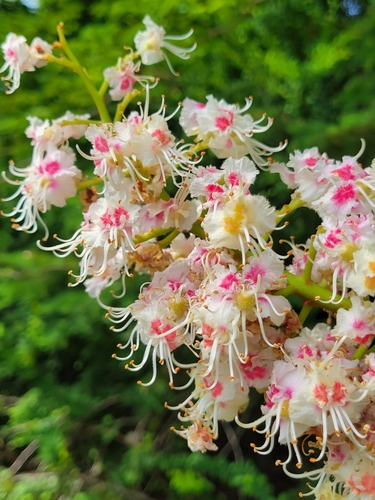
Horse chestnut
Aesculus hippocastanum
In the Cochrane meta-analysis of six trials (502 people with venous insufficiency), leg volume fell by about 32 ml more than with placebo.
Limited evidence
LimitedSmall or few trials, mixed results, or mainly lab and animal work.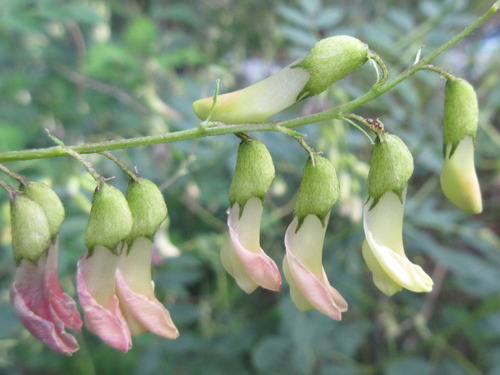
Astragalus
Astragalus mongholicus
Oedema is a traditional pharmacopoeial use (WHO). A 2014 Cochrane review of 22 low-quality trials in chronic kidney disease found astragalus added to usual care reduced protein in the urine and raised haemoglobin and albumin, but could not draw firm conclusions.
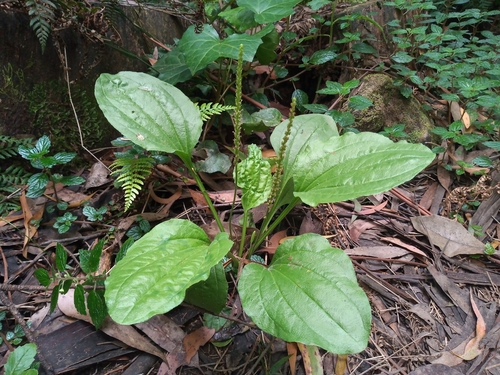
Broadleaf plantain
Plantago major
Used as a diuretic in Chinese and Vietnamese folk medicine, but a small placebo-controlled crossover study in healthy volunteers found no effect on urine output or sodium excretion.
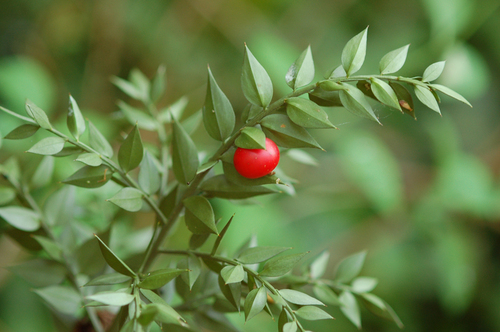
Butcher's broom
Ruscus aculeatus
Same evidence as for venous insufficiency: reduced foot and ankle volume in small German studies. The EMA advises seeing a doctor for sudden swelling of one or both legs, or with heart or kidney failure.

Cogongrass
Imperata cylindrica
Chinese medicine uses the rhizome for oedema with scanty urine, and Ayurveda classes Kusha as a diuretic. In a small Indian trial in 29 healthy volunteers, 5 g of root powder twice daily for 14 days increased urine volume slightly but not significantly compared with placebo, and a 1992 double-blind crossover study of a decoction found no diuretic effect.

Elephant creeper
Argyreia nervosa
Classical Ayurvedic texts (Bhaishajya Ratnavali, Yogaratnakara, Vrindamadhava) prescribe Vriddhadaru root powder for filarial swelling (Shlipada). In a 120-patient Indian study, root powder mixed with Caesalpinia bonduc leaf (5 g twice daily for 30 days) improved lymphoedema, lymphangitis, pain and fever; the comparison was another Ayurvedic drug, and the mix makes the root's own effect impossible to isolate.

Flixweed
Descurainia sophia
Chinese medicine uses the seed to promote urination and reduce swelling and fluid on the lungs. It increased urine output in rats with heart failure; one report, cited in a review, describes less pleural effusion and lung oedema in critically ill patients. No controlled trials were found.
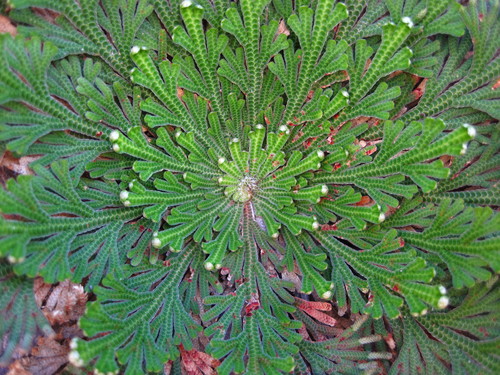
Resurrection plant (False rose of Jericho)
Selaginella lepidophylla
Empirically used in Mexico as a diuretic; diuretic activity was shown in rats, not people.
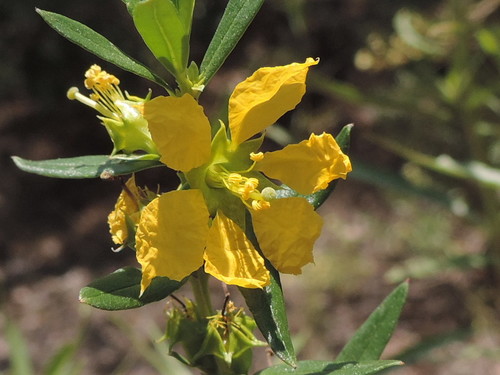
Sinicuichi
Heimia salicifolia
Folk use as a diuretic; the alkaloid lythrine increased water excretion in animal studies. No human trials.
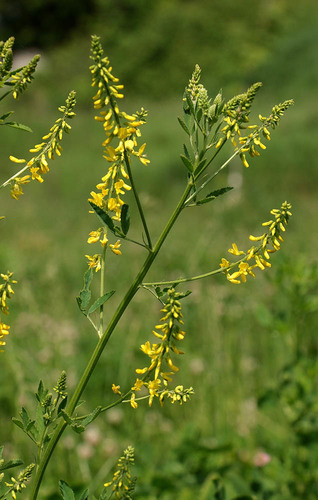
Sweet clover
Melilotus officinalis
Lymphoedema and swelling of the legs appear in Commission E and British Herbal Compendium indications; the only studies are uncontrolled, so the effect of melilot itself cannot be judged.
Traditional use
TraditionalLong recorded use, essentially untested in clinical trials.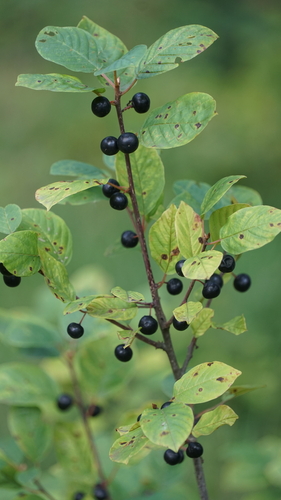
Alder buckthorn
Frangula alnus
Haller recommended it for dropsy in 1755, and Culbreth's Materia Medica (1927) still listed dropsy among its uses.
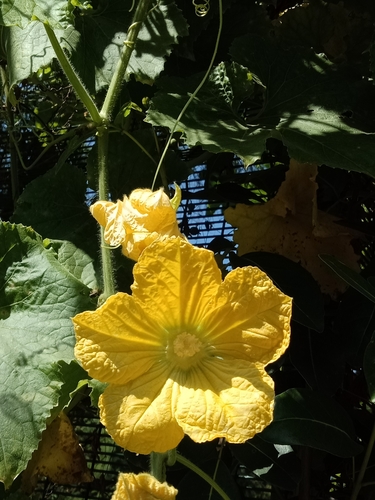
Ash gourd
Benincasa hispida
The dried rind (Dongguapi, Benincasae Exocarpium) is recorded in the Chinese Pharmacopoeia as diuretic, anti-oedematous and heat-clearing; Ayurvedic Kushmanda preparations are used as diuretics and for urinary retention.
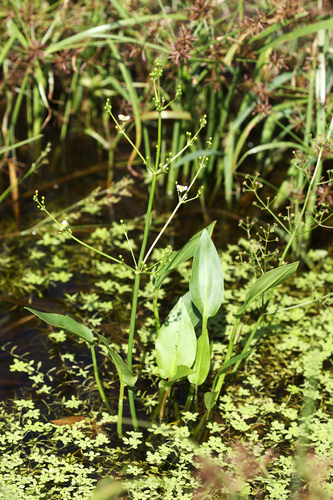
Asian water plantain
Alisma orientale
The Chinese Pharmacopoeia (2020) lists it for difficult urination, oedema and fullness. Diuretic effects have been shown in rats; there are no trials of the single herb in people.
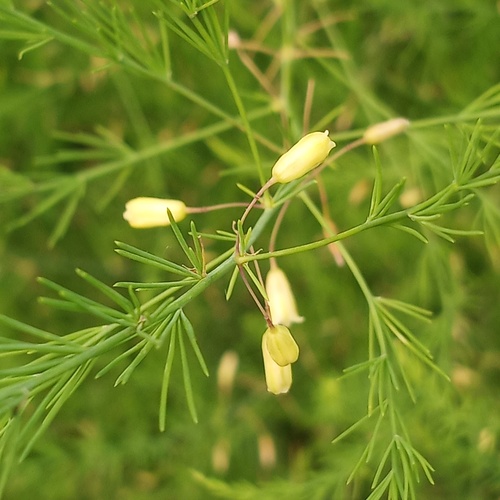
Asparagus
Asparagus officinalis
Root and rhizome decoctions were used in Eastern Europe and Asia for dropsy (fluid retention) and cardiovascular complaints.
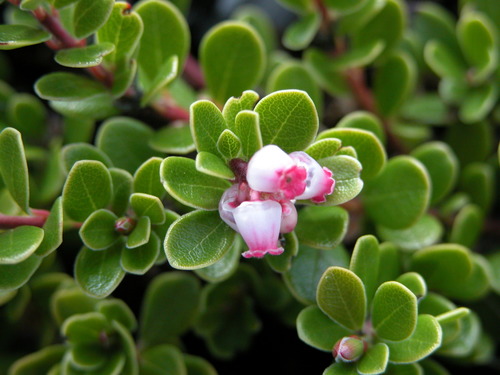
Bearberry
Arctostaphylos uva-ursi
Used as a diuretic in folk medicine (WHO) and by the Thompson people of British Columbia; the Cherokee used it for 'dropsy'. Not tested clinically.

Buchu
Agathosma betulina
Used as a diuretic and, in 1840s publications, suggested for dropsy (oedema). No human studies.
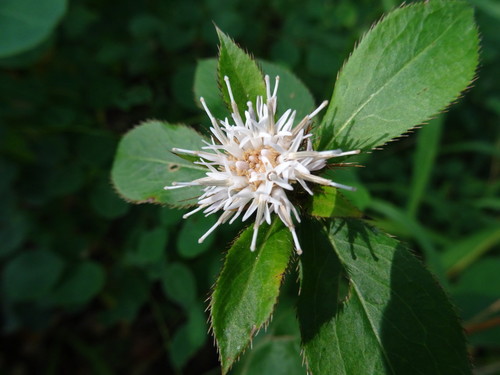
Cang zhu
Atractylodes lancea
Used as a diuretic in Kampo (sojutsu, e.g. in Saireito) and in Japanese and Korean pharmacopoeial tradition.

Chinese motherwort
Leonurus japonicus
Used in TCM for its diuretic, swelling-reducing action.

Christina loosestrife
Lysimachia christinae
Described as a traditional Chinese medicine with diuretic and detumescent (swelling-reducing) effects.
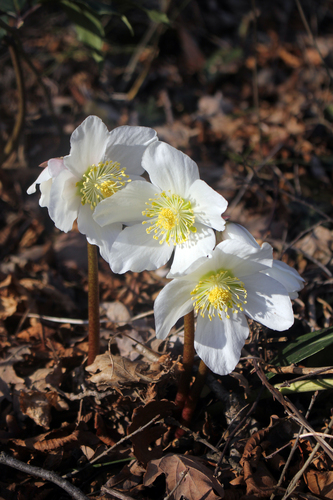
Christmas rose
Helleborus niger
Paracelsus used the root for 'kidney weakness with oedema', and anthroposophic sources credit the plant with a diuretic effect that helps clear oedema. No clinical testing was found.
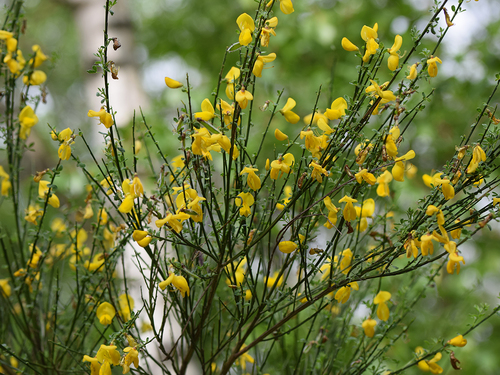
Common broom
Cytisus scoparius
Ethnomedical sources cite the herb as a diuretic, and diuretic and blood-pressure-lowering activity has been reported experimentally. No clinical trials were found.
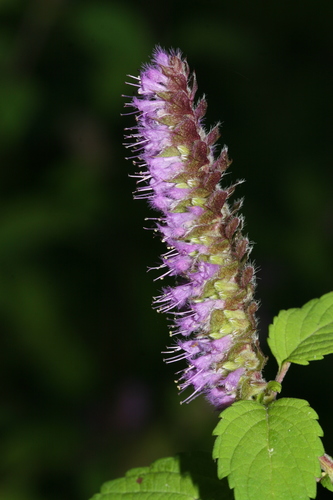
Crested late-summer mint
Elsholtzia ciliata
Traditional Chinese use to promote urination and reduce oedema; untested clinically.
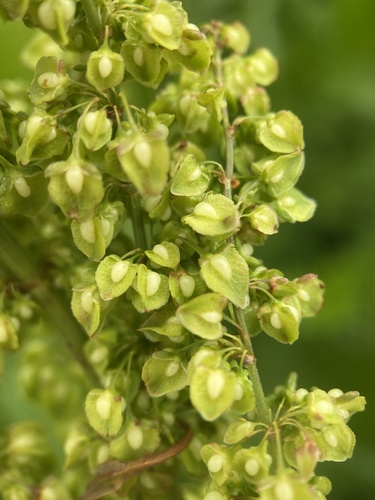
Curled dock
Rumex crispus
In 19th- and 20th-century Serbian folk medicine, the root was applied as a compress for swelling (oedema).
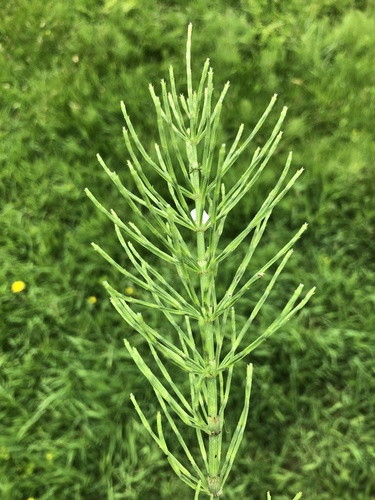
Field horsetail
Equisetum arvense
Germany's Commission E (1986) listed oral use for post-traumatic and static oedema; this indication was not adopted in the current EMA monograph.
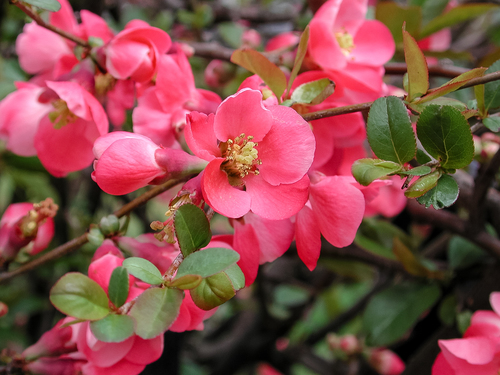
Flowering quince
Chaenomeles speciosa
TCM uses it for swelling of the legs and feet.

Foxglove
Digitalis purpurea
Withering's 1785 case series used powdered leaf and leaf infusions for dropsy. This is history only: the plant is not used today, and the purified drugs are prescribed for the heart failure behind such swelling.
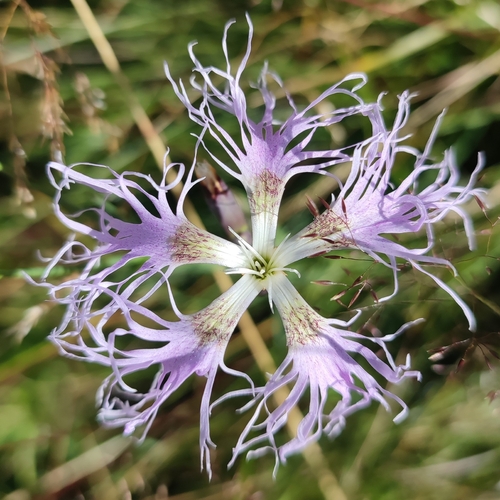
Fringed pink
Dianthus superbus
Used as a diuretic for oedema. A Qumai decoction (2 g/kg) clearly increased urine output in rabbits within 60 minutes. No human trials of the herb alone.

Guang fang ji
Aristolochia fangchi
Used in Chinese practice as a diuretic (and as an 'immune modulator'); aristolochic-acid herbs were prescribed in Taiwan for many conditions including oedema, arthralgia and urinary infections before being banned. Any benefit is outweighed by the risk of irreversible kidney damage and cancer.
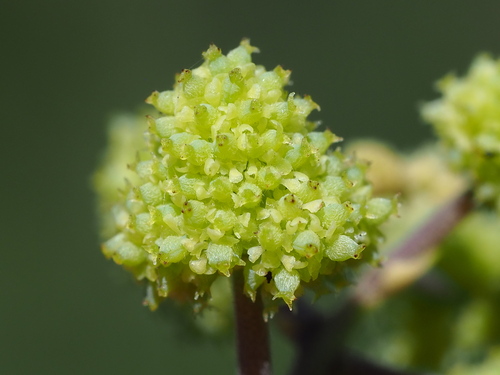
Han fang ji
Stephania tetrandra
In Chinese medicine the root promotes urination and reduces swelling, and it is a component of formulas such as Fangji Huangqi decoction; no controlled trials of the herb for oedema were found.
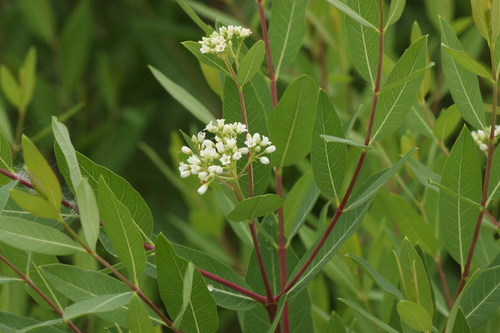
Indian hemp
Apocynum cannabinum
The Cherokee took a root infusion for 'dropsy' and Bright's disease and the Meskwaki used the root especially for dropsy; nineteenth-century American medical journals published reports on Apocynum cannabinum in dropsy and anasarca. There are no modern trials, and its cardiac glycosides make it unsafe.
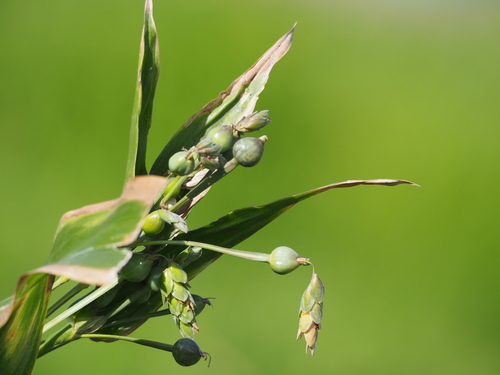
Job's tears
Coix lacryma-jobi
Chinese Pharmacopoeia: promotes urination and eliminates dampness.
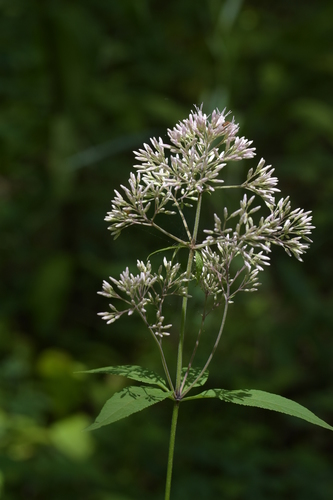
Joe-Pye weed
Eutrochium purpureum
The Cherokee used the root as a diuretic and for 'dropsy' (fluid retention). Not tested clinically.

Lophatherum
Lophatherum gracile
Combined with Imperata rhizome in Chinese clinical practice for oedema ('water-draining and swelling-dispersing').

Maize
Zea mays
Used as a diuretic for oedema in Chinese and other traditional medicine.
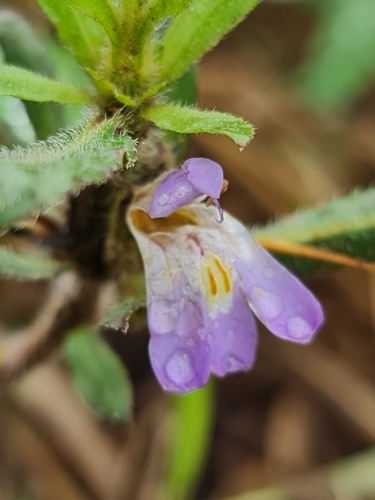
Marsh barbel
Hygrophila auriculata
Listed in ethnomedical writings and Sri Lankan practice for oedema; untested.

Olive
Olea europaea
EMA traditional use of olive leaf to promote renal water elimination in mild water retention, after a doctor has excluded serious conditions. Clinical evidence was judged insufficient.
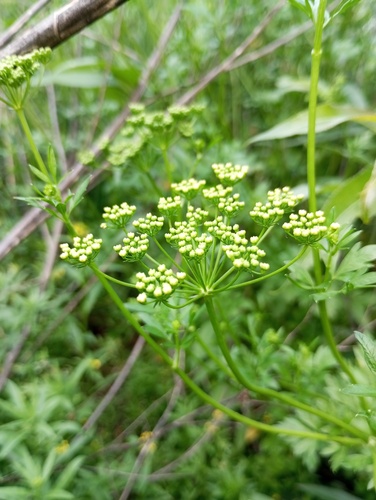
Parsley
Petroselinum crispum
King's Dispensatory (1898) called parsley root a diuretic 'very useful in dropsy', especially after scarlet fever. In a small study of 20 healthy volunteers, parsley-leaf tea made no significant difference to urinary measures compared with controls.

Patala
Stereospermum chelonoides
Charaka places the ten Daśamūla roots in the śvayathuhara group, drugs that combat swelling (oedema). There are no trials of Patala alone.
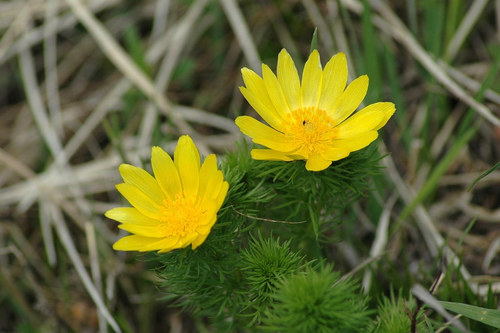
Pheasant's eye
Adonis vernalis
Local people in the former Soviet Union historically used it for oedema (dropsy).
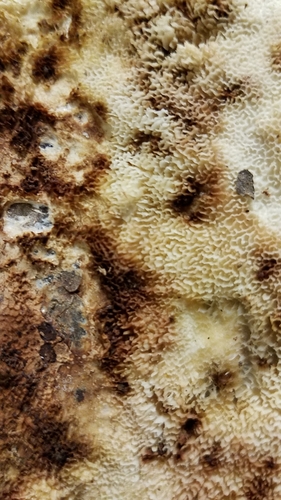
Poria
Wolfiporia cocos
Its central use in Chinese medicine, recorded since the Shennong Bencao Jing, is to promote urination and 'drain dampness', and it is used for oedema and kidney disease (nephrosis). Diuretic and kidney-protective effects have been shown in animals; reviewers state that clinical trials are needed.
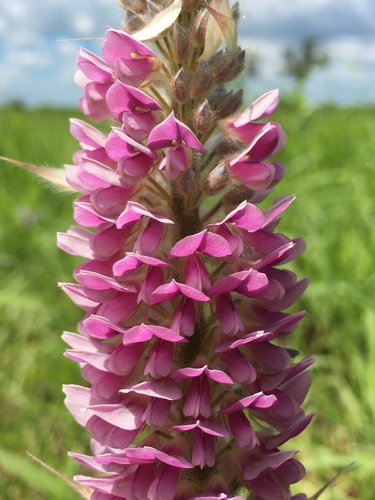
Prishnaparni
Uraria picta
As part of Dashamula, it belongs to the ten drugs that Charaka groups as combating swelling (shvayathuhara), and Ayurvedic texts say the Dashamula roots chiefly pacify vata dosha. No trials of the plant alone were found.
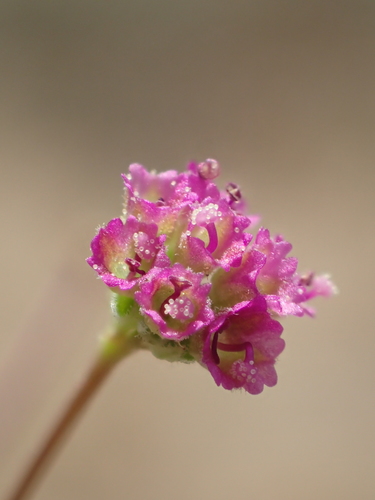
Punarnava
Boerhavia diffusa
Ayurvedic and folk use as a diuretic for dropsy, ascites and swollen legs. The Ayurvedic preference for herbal diuretics to 'correct abnormal fluid dynamics' rests on tradition and animal studies.
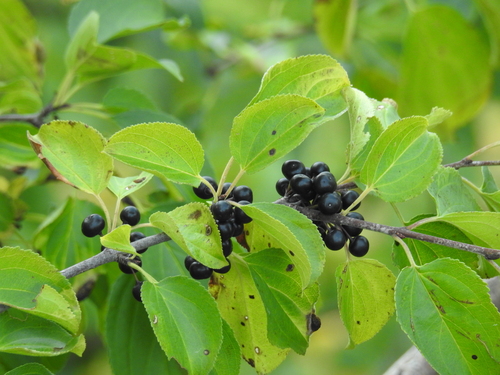
Purging buckthorn
Rhamnus cathartica
King's American Dispensatory (1898) says the syrup of the juice once had a strong reputation as a hydragogue (fluid-expelling purgative) for dropsy, gout and rheumatism, but was seldom used by then.
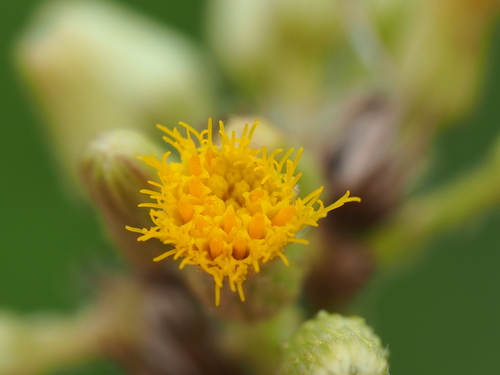
Sambong
Blumea balsamifera
Used in the Philippines as a diuretic.
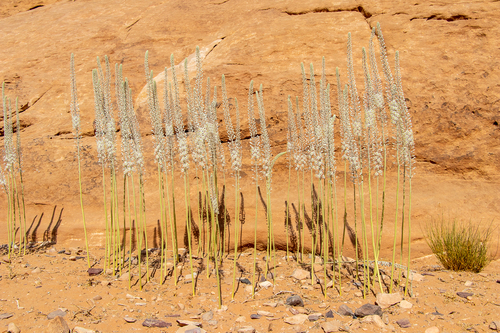
Sea squill
Drimia maritima
Used since antiquity for cardiac oedema ('dropsy') and as a cardiotonic by the Romans; its bufadienolides act like digitalis glycosides, and the isolated glycoside proscillaridin A has been studied for heart failure and arrhythmia. Not a safe home remedy because the therapeutic and toxic doses are close.
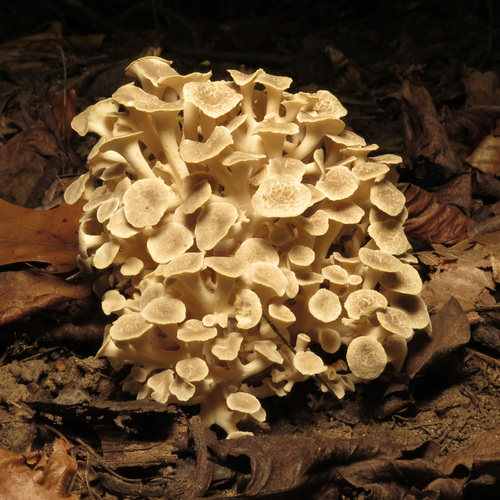
Umbrella polypore
Polyporus umbellatus
The 2020 Chinese Pharmacopoeia includes it for 'dampness', promoting urination and reducing swelling, and it is used for oedema and scanty urine. Diuretic effects (attributed to ergone and other sterols) come from animal studies with poorly characterised extracts.
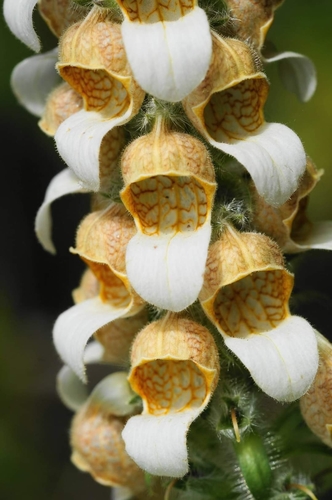
Woolly foxglove
Digitalis lanata
Foxglove (historically D. purpurea, later also D. lanata) was used for 'dropsy', the fluid retention of heart failure, which William Withering described in 1785; this is now treated with prescribed drugs, never the leaf.