The Apothecary / Mouth & throat
Mouth ulcers and gum health
115 remedies
See a doctor if
An ulcer lasting over three weeks needs checking.
Reference, not prescription. Nothing here is medical advice. Herbs can interact with medicines and be dangerous in pregnancy; tell your doctor or pharmacist about anything you take.
Strong evidence
StrongAn approved medicine, or consistent good-quality trials and reviews.Jaborandi
Pilocarpus microphyllus
Oral pilocarpine tablets (Salagen) are approved for dry mouth after head-and-neck radiotherapy and in Sjögren's syndrome. In a 12-week trial of 373 Sjögren's patients, 5 mg four times daily improved dry mouth and dry eyes and increased saliva flow two- to three-fold; sweating was the commonest side effect.
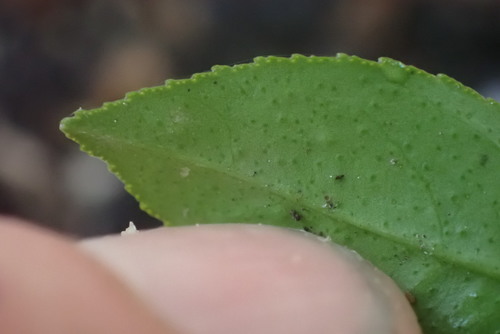
Lemon
Citrus x limon
Scurvy, whose signs include bleeding gums, bruising and weakness, is vitamin C deficiency; citrus juice prevents and cures it. Sailors used oranges and lemons for centuries, and the British Navy adopted citrus about half a century after Lind's 1747 trial.

Sweet orange
Citrus x aurantium
Scurvy, whose signs include bleeding gums, easy bruising and weakness, is caused by lack of vitamin C. Citrus fruit cures and prevents it: James Lind compared six treatments in a controlled trial in 1747, and adequate vitamin C completely prevents and cures the disease.
Moderate evidence
ModerateSeveral trials, mostly positive, or an EMA ‘well-established use’ monograph.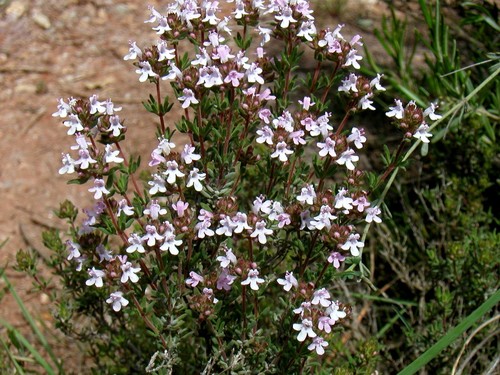
Common thyme
Thymus vulgaris
Thymol, the main phenol of thyme oil, is one of four essential oils in some antiseptic mouthrinses. A meta-analysis of 29 six-month trials, all industry-sponsored, found these rinses added to brushing reduced gingivitis by about 16% and plaque by about 28%. This is evidence for the product, not for thyme tea.
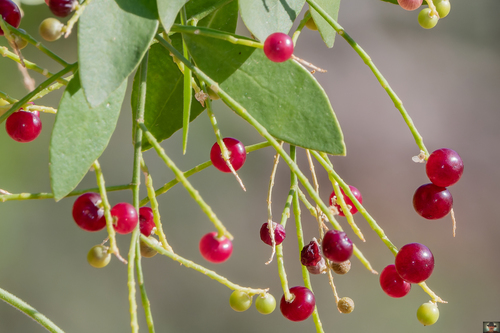
Toothbrush tree
Salvadora persica
A 2019 meta-analysis found Salvadora persica mouthrinses significantly reduced plaque and cariogenic bacteria (streptococci, lactobacilli) versus placebo, though less than chlorhexidine; a 2026 systematic review of 31 studies found miswak reduced plaque and gum inflammation about as well as conventional toothbrushes. A 2024 two-week RCT in 60 women found plaque control similar to toothbrushing but higher gum scores, possibly from overly vigorous use.
Limited evidence
LimitedSmall or few trials, mixed results, or mainly lab and animal work.
Ajwain
Trachyspermum ammi
In a randomised trial in 108 children with gingivitis, a mouthwash of ajwain plus Achyranthes aspera was non-inferior to chlorhexidine for plaque and gum scores and reduced periodontal bacteria. The effect of ajwain alone is unknown.
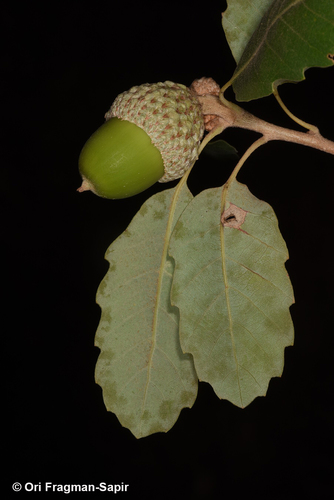
Aleppo oak
Quercus infectoria
Used traditionally for tonsillitis and dental and gum problems. In a randomised trial in 110 schoolchildren, a Unani mouthwash containing the galls with three other herbs was comparable to chlorhexidine for plaque and gum scores over 30 days. Effect of the galls alone is untested.

American skullcap
Scutellaria lateriflora
A chewing gum combining skullcap with Cistus × incanus improved gum bleeding and gingival indices over 3 months versus placebo in 60 adults; skullcap's own contribution is unknown.
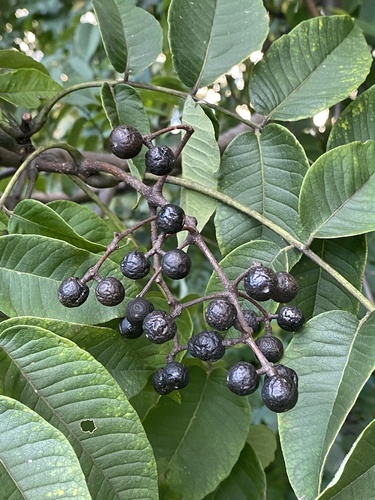
Amur cork tree
Phellodendron amurense
Honey-processed bark is used in Chinese practice for mouth ulcers. In a clinical trial in 152 people, a toothpaste containing 0.05% bark extract reduced gum inflammation and redness over 4 weeks.
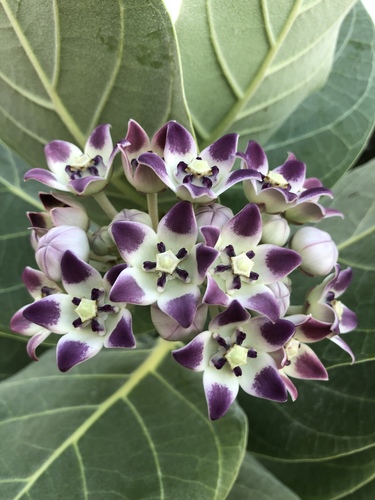
Apple of Sodom
Calotropis procera
In a randomised trial in 60 children aged 9–12, a mouthrinse made with C. procera extract reduced plaque over 14 days about as well as chlorhexidine, with better taste acceptance. A small single study of a formulated extract; raw latex applied to the gums has caused chemical burns.
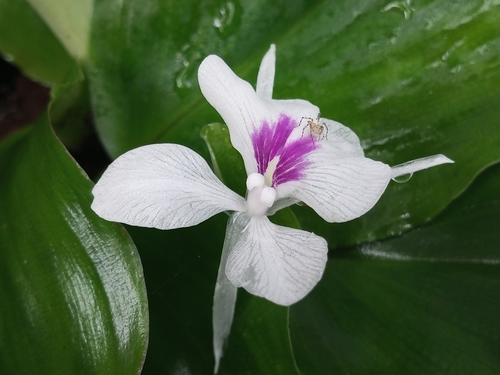
Aromatic ginger
Kaempferia galanga
Used in Indonesia for recurrent mouth ulcers. A 0.5–4% rhizome extract reduced inflammatory markers (COX-2, NF-κB) in rat mouth ulcers and did not irritate egg membranes or rabbit skin; no human trials were found.
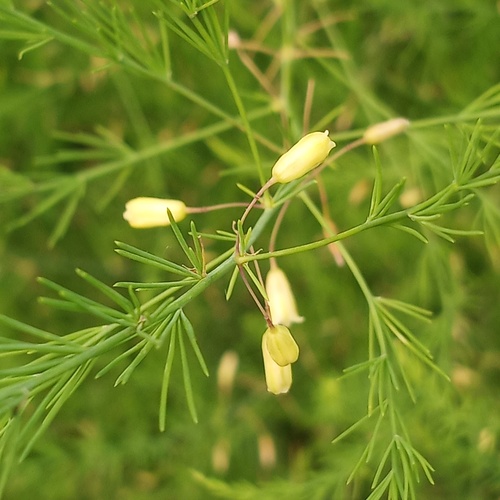
Asparagus
Asparagus officinalis
A systematic review of six small randomised trials (336 people) with burning mouth syndrome found asparagus capsules or oral liquid, alone or with standard drugs, improved pain and symptom scores; certainty of evidence was low.
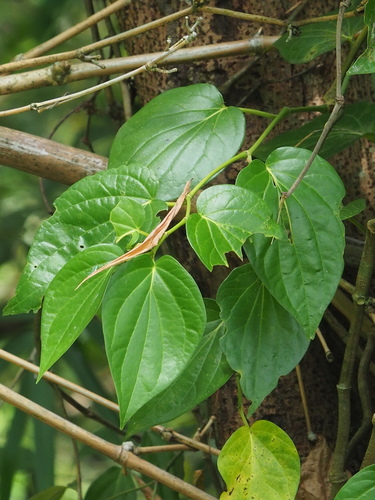
Betel
Piper betle
A 2026 systematic review of trials of natural products in gum (periodontal) treatment included one single-blind Indian RCT (60 patients, 2021) in which a 2% Piper betle rinse controlled plaque and gum inflammation about as well as chlorhexidine. Laboratory studies show activity against Candida and Streptococcus mutans.
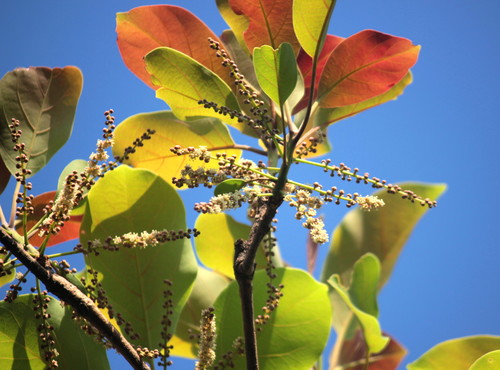
Bibhitaki
Terminalia bellirica
Several clinical studies of triphala (of which bibhitaki is one third) suggest it reduces dental plaque and gingivitis; it is unclear whether it is as effective as chlorhexidine (MSK). Not tested alone.
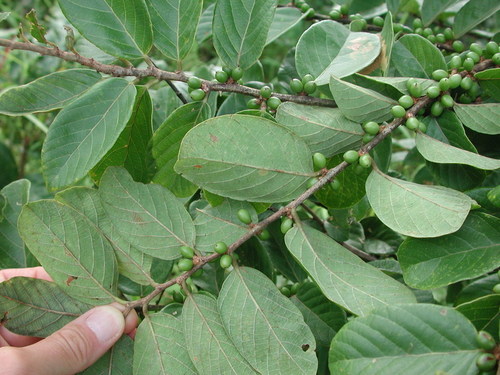
Bridelia
Bridelia ferruginea
In western Nigeria the bark is used for oral infections including oral thrush, and bark extract with lime juice forms the traditional gargle 'Ogun efu'; stem-bark extract inhibited clinical oral bacteria in vitro.
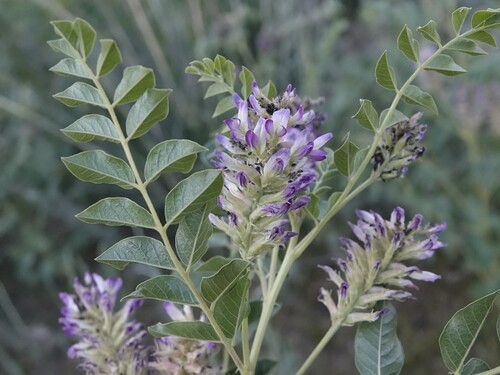
Chinese licorice
Glycyrrhiza uralensis
NCCIH, whose fact sheet covers G. uralensis among other species, reports that a liquorice mouth rinse or gargle might reduce the size and pain of recurrent canker sores.
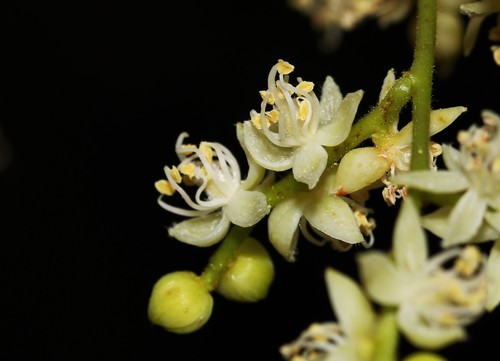
Copaiba
Copaifera officinalis
In a 75-person randomised trial a copaiba oil gel reduced tooth sensitivity after bleaching about as well as a standard potassium nitrate–fluoride gel. A systematic review found only rat studies of oral wound healing and called for clinical trials.
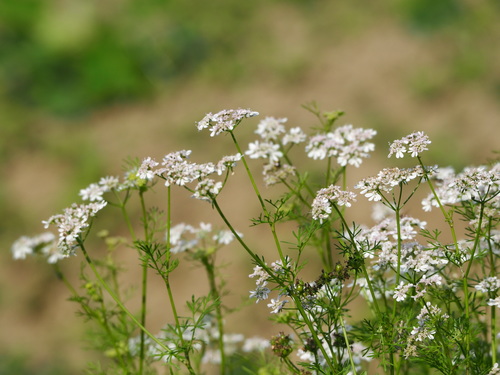
Coriander
Coriandrum sativum
Leaf decoctions are a traditional remedy for mouth ulcers. In a 2-week randomised trial in 27 people with periodontitis, a coriander essential-oil mouthwash did not change the salivary microbiome detectably compared with water, unlike chlorhexidine; clinical outcomes were not measured.
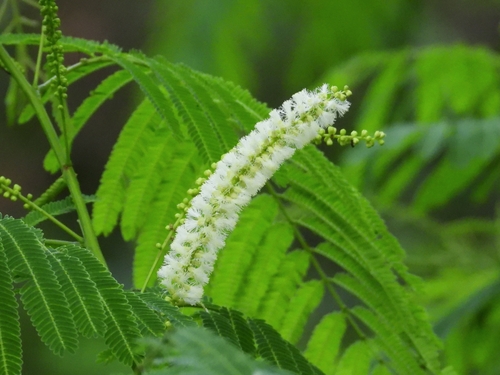
Cutch tree
Senegalia catechu
Katha and root paste are traditional applications for mouth ulcers and the wood is used as a chew stick. In one small trial of 60 young children with early caries, an A. catechu mouthrinse for 16 days lowered salivary Streptococcus mutans and Lactobacillus counts, similar to a commercial herbal rinse; clinical outcomes were not measured.
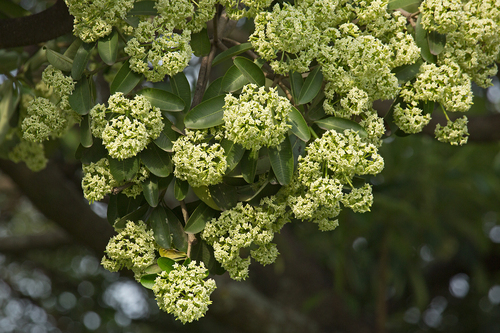
Devil tree
Alstonia scholaris
In a randomised trial in 60 children aged 9–12, an A. scholaris mouthrinse twice daily for 14 days reduced plaque about as well as chlorhexidine, with no significant difference between groups.
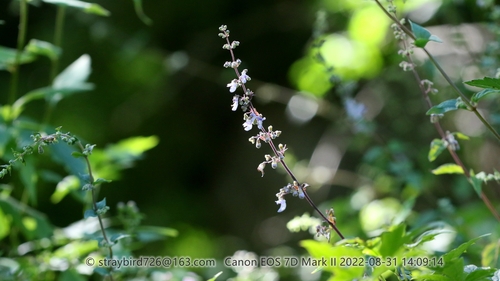
Dong ling cao
Isodon rubescens
In a single-arm phase II study, 38 people with nasopharyngeal cancer took Isodon drop pills during chemoradiotherapy; 26% developed grade 3 oral mucositis, against 54% reported in the literature for routine care. There was no control group.
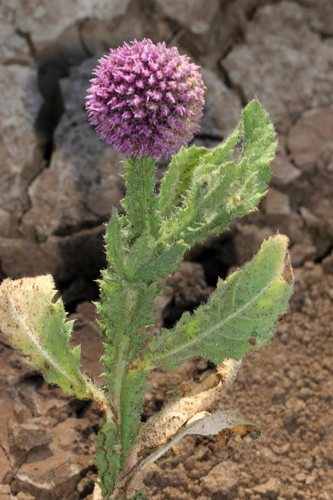
East Indian globe thistle
Sphaeranthus indicus
In the lab, ethanol extracts of the aerial parts, leaves and flowers inhibited four bacteria that cause gum disease (including Porphyromonas gingivalis and Fusobacterium nucleatum). No clinical studies.
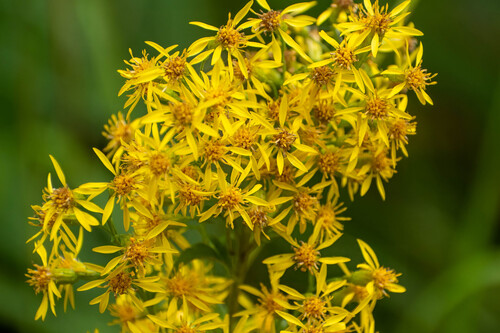
European goldenrod
Solidago virgaurea
Infusions are used as a mouth rinse in folk medicine. In one double-blind randomised trial in 66 healthy adults, a toothpaste with goldenrod extract lowered total plaque bacteria and Candida albicans over 4 weeks, but plaque and gum scores improved in the control group too.
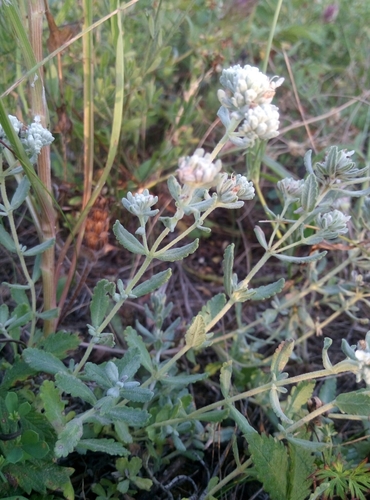
Felty germander
Teucrium polium
In a small double-blind crossover trial in 22 dental students, a mouthwash containing an aqueous T. polium extract lowered salivary Streptococcus mutans counts compared with the same mouthwash without it.

Fingerroot
Boesenbergia rotunda
Fresh rhizomes are used in folk medicine for tooth and gum disease. In 120 head-and-neck cancer patients having radiotherapy, mouthwashes containing fingerroot (or Clinacanthus nutans) worked about as well as saline-bicarbonate rinse at preventing mouth sores. In a later trial of 56 patients having chemoradiotherapy, a fingerroot gargle was followed by fewer mouth sores than no gargle (30.4% vs 41.1%).
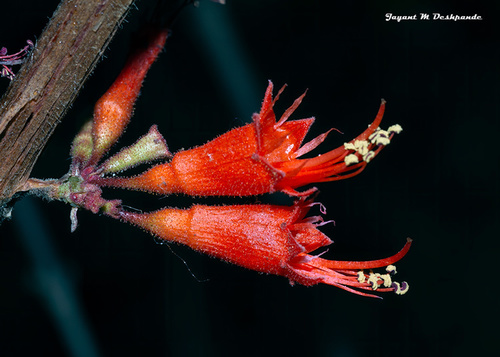
Fire-flame bush
Woodfordia fruticosa
In 100 people with poorly controlled diabetes who wore dentures, a leaf-extract mouthwash reduced Candida colony counts after 1 hour and 1 week; the trial compared it with a pomegranate mouthwash, not placebo. In a similar trial in chronic periodontitis, the pomegranate mouthwash lowered a salivary inflammation marker more than the Woodfordia one.
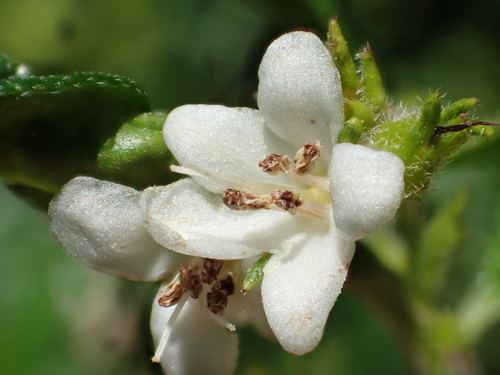
Fukien tea tree
Carmona retusa
The Department of Health's traditional-medicine institute (DOH-PITAHC) endorses tsaang gubat for oral care: dental pain, gum inflammation and general oral health. In a 1995 school study, children drank one cup of the boiled leaf tea daily for 17 months, and caries incidence fell by 75.67%. That study's design and controls are not clear from its abstract.
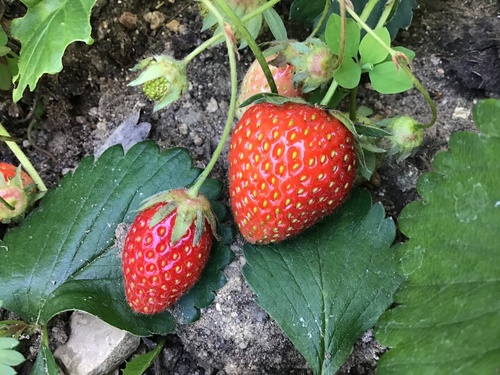
Garden strawberry
Fragaria x ananassa
Folk use as a gargle for inflamed mouth and throat. A pilot study cited by EMA (60 patients) found a strawberry-leaf gel reduced pain of minor mouth ulcers compared with a plain gel; it was published only as a thesis abstract.
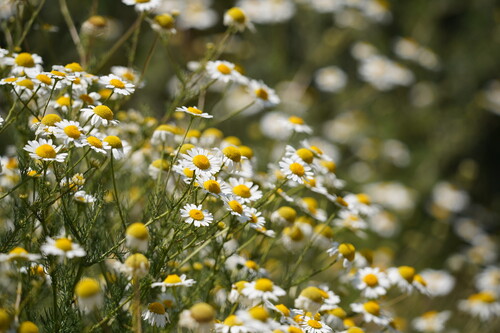
German chamomile
Matricaria chamomilla
Small studies suggest chamomile mouthwashes may ease mouth inflammation caused by radiation or chemotherapy. EMA lists traditional use for minor mouth ulcers.
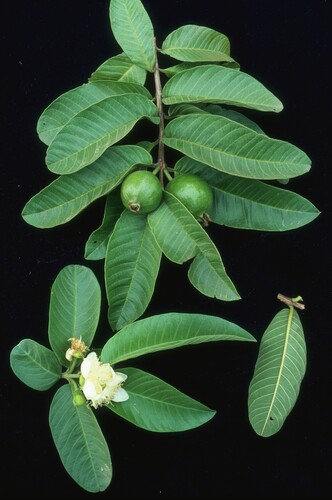
Guava
Psidium guajava
In a 3-week placebo-controlled trial (70 people), a leaf-decoction mouthwash reduced gingival inflammation. A 2019 trial (60 people) tested a 0.15% guava-leaf rinse against chlorhexidine and placebo as an add-on to professional cleaning for gingivitis.
Gum arabic
Senegalia senegal
Trials reviewed in 2023, including one of a gum arabic mouthwash, reported effects on plaque and gingival scores and on caries-related bacteria, without oral side effects.
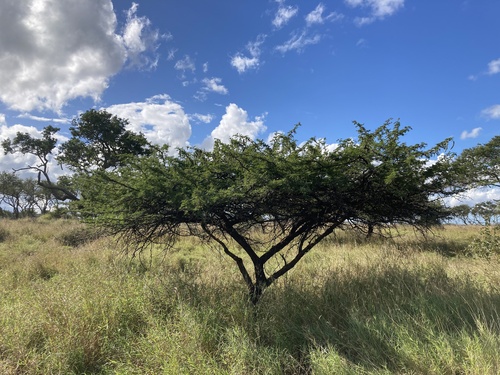
Gum arabic tree
Vachellia nilotica
In a randomised placebo-controlled trial, a commercial gel containing the plant reduced gingival and plaque scores in chronic gingivitis without staining teeth; a 50% mouthwash cut salivary Streptococcus mutans counts by about 85% at 30 days, similar to chlorhexidine, in high caries-risk volunteers.
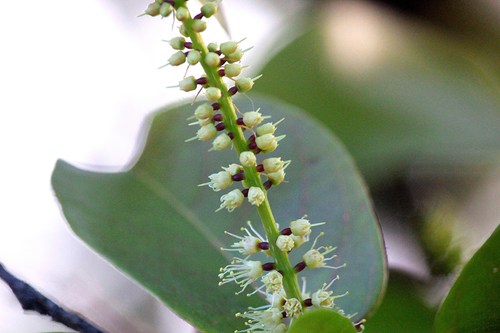
Haritaki (Chebulic myrobalan)
Terminalia chebula
Several small randomised trials found Triphala mouthwash (0.6–10%) comparable to chlorhexidine for plaque and gingivitis in children and young adults; haritaki rinses reduced salivary streptococci for about 3 hours.
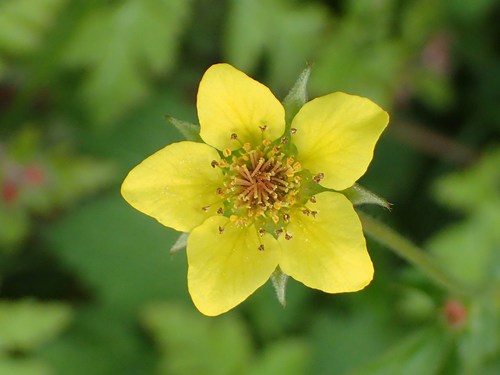
Herb bennet
Geum urbanum
Root infusions and decoctions are used externally to reduce bleeding and inflammation of the gums. Root extracts and their main ellagitannin, gemin A, reduced oxidative burst and inflammatory mediator release by stimulated human neutrophils in vitro, which the authors relate to gingivitis and periodontitis.
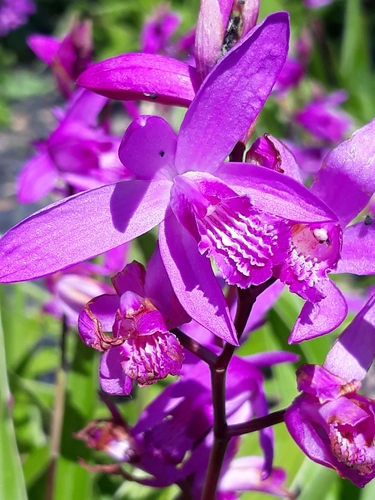
Hyacinth orchid
Bletilla striata
In a randomised trial of 80 people with plaque-induced gingivitis, a toothpaste combining Bletilla striata with Litsea cubeba reduced plaque and gum-bleeding indices and IL-1β in gum fluid more than a control toothpaste at 8 and 12 weeks. The effect of Bletilla alone cannot be separated.
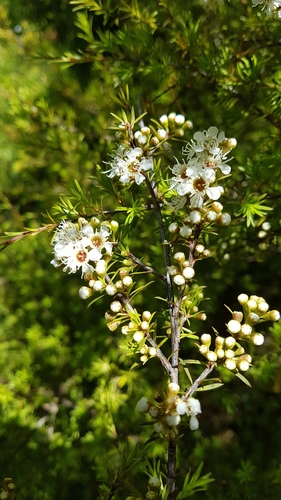
Kānuka
Kunzea ericoides
In a small feasibility trial (19 patients), gargling with 2 drops of a 1:1 mānuka/kānuka oil mix in water delayed radiotherapy-induced mouth inflammation (mucositis) and reduced pain compared with water; too small to be conclusive.
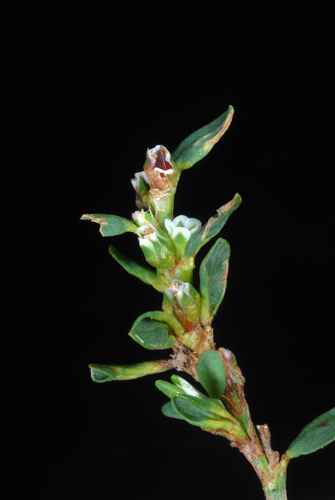
Knotgrass
Polygonum aviculare
In an uncontrolled study, 60 dental students who rinsed twice daily for 2 weeks with a Mexican 'sanguinaria' (P. aviculare) extract and did not brush showed a small fall in gingivitis scores, while plaque increased.
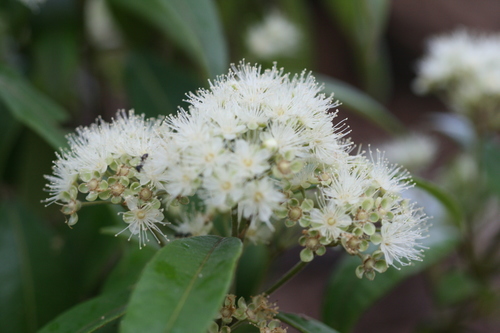
Lemon myrtle
Backhousia citriodora
Leaves were chewed for oral care; a leaf extract inhibited glucosyltransferase enzymes of the tooth-decay bacterium Streptococcus mutans in the lab (title only).
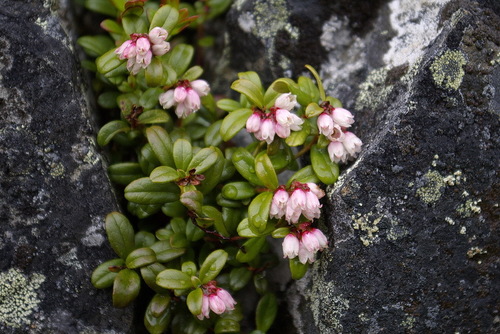
Lingonberry
Vaccinium vitis-idaea
Six small human studies, five using fermented lingonberry juice as a mouth rinse, reported lower Streptococcus mutans and Candida, less plaque and gingivitis and lower periodontal inflammatory markers; one case series described long remissions of oral candidiasis. Most trials are small and from one research group.
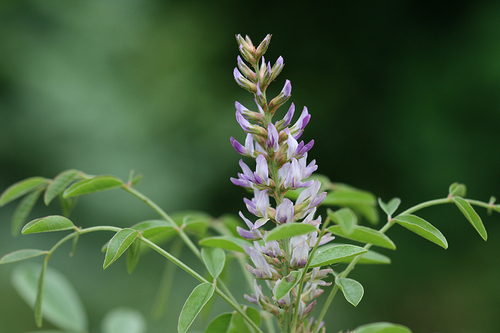
Liquorice
Glycyrrhiza glabra
NCCIH reports that a liquorice mouth rinse or patch may reduce the size and pain of canker sores (aphthous ulcers), based on small studies.
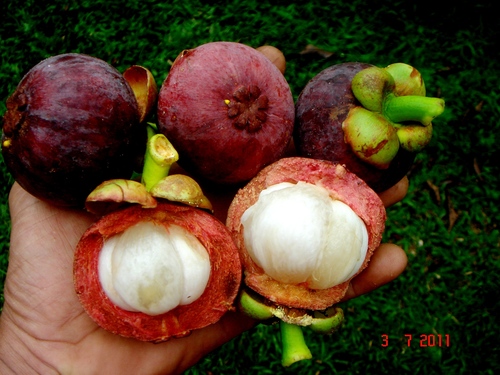
Mangosteen
Garcinia mangostana
Small studies suggest mangosteen products help as add-ons to periodontal treatment and for bad breath.
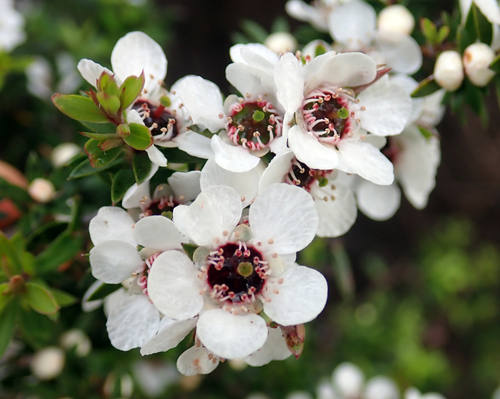
Mānuka
Leptospermum scoparium
Small studies suggest benefits of mānuka honey for gingivitis and oral hygiene; mānuka oil is being developed for gum disease.
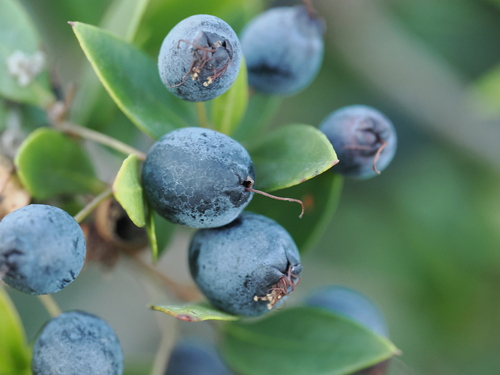
Myrtle
Myrtus communis
A paste of boiled leaf extract applied for 6 days reduced ulcer size and pain in recurrent aphthous stomatitis versus placebo; combination gels and mouthwashes with myrtle helped children's mouth ulcers and gingivitis.

Neem
Azadirachta indica
A 2017 systematic review found only three short (2–4 week) trials of neem mouthrinse against chlorhexidine for plaque and gingivitis; they reported similar results but were poorly reported with unclear risk of bias, so no firm conclusion is possible.
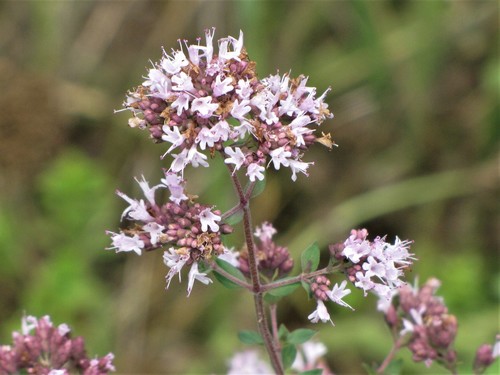
Oregano
Origanum vulgare
In an uncontrolled 4-month study of 30 adults with periodontitis, a daily oregano essential-oil gel was followed by fewer periodontal bacteria and better probing depth, bleeding and plaque scores. No control group.
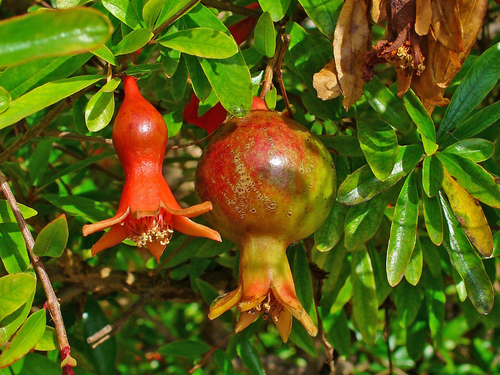
Pomegranate
Punica granatum
WHO lists the rind for gingivitis; one small study of a rind-extract mouthwash in 80 volunteers measured oral bacteria, not clinical outcomes.
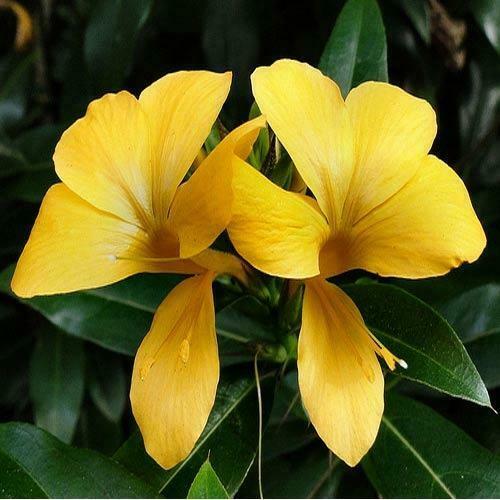
Porcupine flower
Barleria prionitis
In a double-blind randomised trial in 30 students, a 50% bark-extract mouthwash used for 3 days reduced plaque. The difference from 0.12% chlorhexidine was not statistically significant, though chlorhexidine did slightly better. The trial was very short and small.
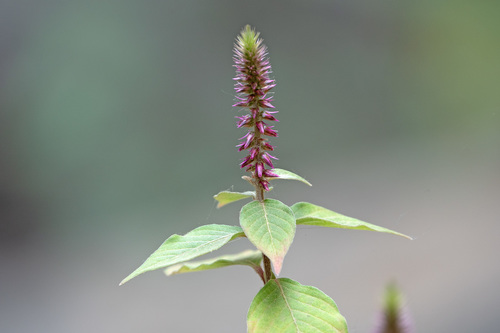
Prickly chaff flower
Achyranthes aspera
In a randomised non-inferiority trial in 108 children with plaque-induced gingivitis, a mouthwash of Achyranthes aspera plus ajwain (Trachyspermum ammi) was not inferior to 0.2% chlorhexidine for reducing gum inflammation and plaque over 21 days, and both cut counts of two gum-disease bacteria compared with placebo. The effect of A. aspera alone was not tested.
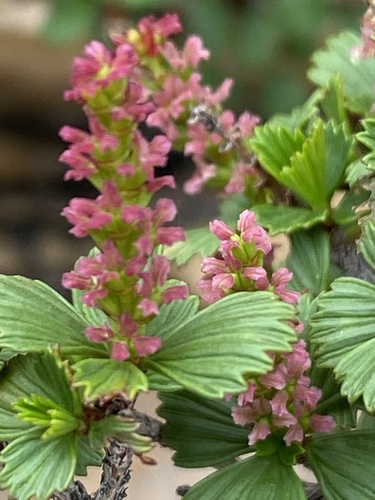
Resurrection bush
Myrothamnus flabellifolia
Recorded as a traditional treatment for gingivitis and periodontitis. A polyphenol-rich extract (100 µg/ml) roughly halved adhesion of the gum-disease bacterium Porphyromonas gingivalis to cultured cells and damped inflammatory signalling; this is cell-culture work only.
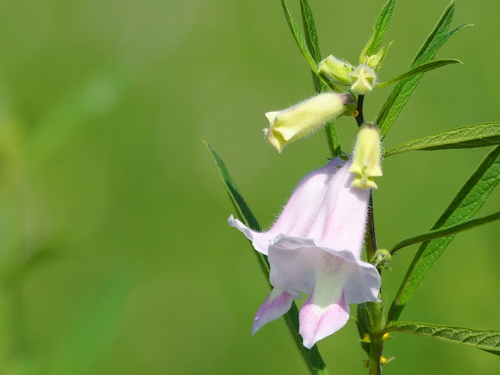
Sesame
Sesamum indicum
Oil pulling (swishing oil in the mouth) is a traditional oral-hygiene practice. In an 8-week randomised trial in 40 people with gingivitis, daily 15-minute pulling with sesame-based oil reduced plaque and gum bleeding, but no more than rinsing with distilled water. An earlier meta-analysis of 21 trials reported a probable gum-health benefit but very low-quality evidence.
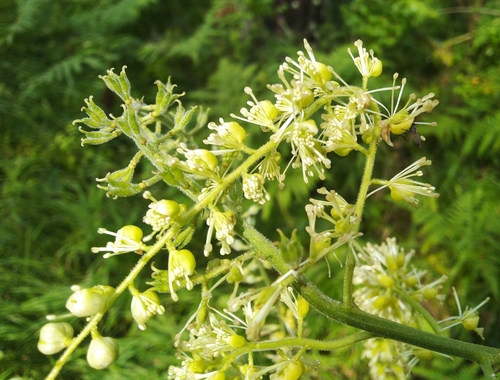
Sheng ma
Actaea cimicifuga
Mouth and tongue sores are a Pharmacopoeia indication. A Cimicifuga-containing oral-ulcer powder sped healing in rats; human evidence is limited to clinical reports of formulas.
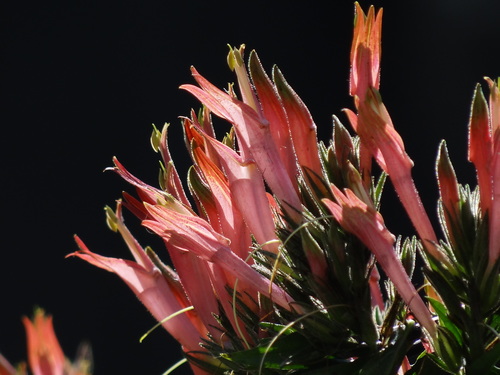
Snake grass
Clinacanthus nutans
In a randomised double-blind trial in minor recurrent aphthous ulcers, the extract in Orabase shortened ulcer duration compared with placebo, but triamcinolone acetonide worked best.
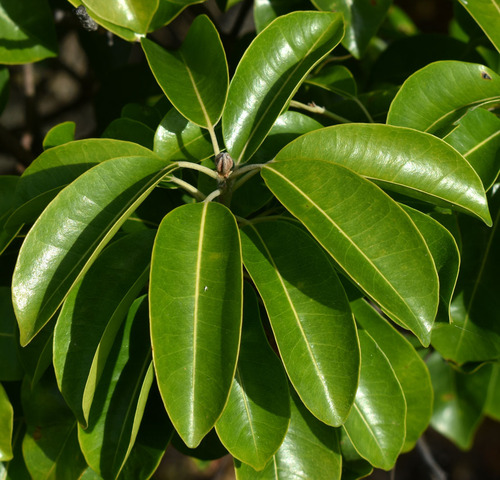
Spanish cherry
Mimusops elengi
Used in Ayurveda to arrest bleeding gums, and in Myanmar a bark decoction (with Phyllanthus emblica bark) is held in the mouth for thrush, inflamed gums and gingivitis. Methanol extracts inhibited endodontic bacteria (most active against Enterococcus faecalis) in vitro, and an extract was non-toxic to human gingival fibroblasts; a bark mouth rinse is reported to reduce plaque and gingivitis, but no high-quality trials were found.
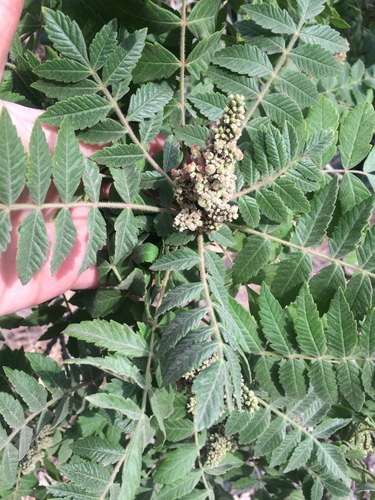
Sumac
Rhus coriaria
In a triple-blind trial of about 60 people with minor mouth ulcers, a sumac gel healed ulcers faster and reduced size and pain more than a triamcinolone paste or placebo. A single small trial; the authors call for confirmation.
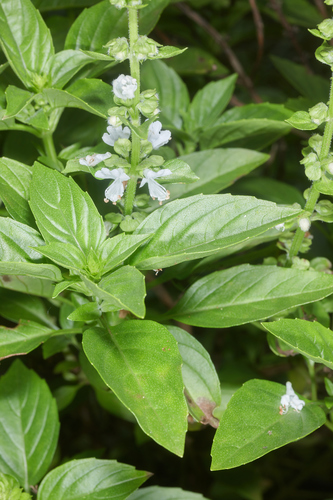
Sweet basil
Ocimum basilicum
In a double-blind trial of 70 adults with plaque-induced gingivitis, a 30% basil mouthwash used with toothbrushing for 21 days was non-inferior to 0.2% chlorhexidine for reducing gum inflammation and plaque.
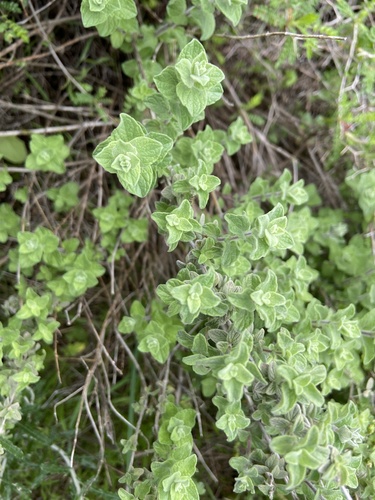
Syrian oregano
Origanum syriacum
Essential oils from three Lebanese populations killed Staphylococcus aureus, Streptococcus mutans and Candida albicans, organisms found in denture stomatitis, in the test tube; carvacrol was the most active constituent. The authors propose a clinical trial; none has been reported.

Tiger milk mushroom
Lignosus rhinocerotis
In a very small randomised trial (21 adults) of minor aphthous mouth ulcers, a TM02 oral gel used three times daily for 7 days showed favourable but non-significant trends in pain and healing; a triamcinolone paste relieved pain best.
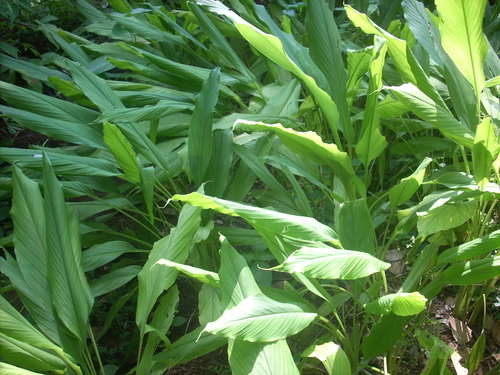
Turmeric
Curcuma longa
A 2019 systematic review of five small trials found turmeric or curcumin gels and mouthwashes reduced the severity and pain of oral mucositis in people having chemotherapy or radiotherapy.
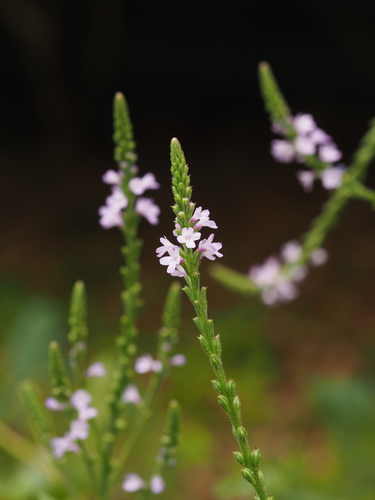
Vervain
Verbena officinalis
In a double-blind randomised multicentre trial, 260 people with chronic generalised gingivitis brushed and flossed, and half also rinsed with a vervain decoction. The authors report that gum and plaque scores fell more in the vervain group over 28 days, with no adverse effects. Rinsing with the infusion is a folk use for stomatitis and tonsillitis.

Western honey bee
Apis mellifera
Propolis mouthwashes and gels may reduce dental plaque and oral bacteria, but a 2026 review rated the certainty of evidence very low and found no direct evidence on tooth decay.
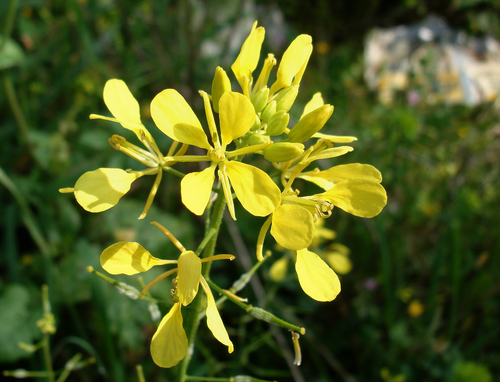
White mustard
Sinapis alba
In a double-blind randomised trial in 113 people with gingivitis, four weeks of a toothpaste containing S. alba extract reduced the plaque index by 2.43 points (placebo 1.95) and bleeding on probing by 30.6% (placebo 26.8%); a six-month follow-up with a low-erucic 'Bamberka' extract reported similar gains. Small effects in few trials.
Traditional use
TraditionalLong recorded use, essentially untested in clinical trials.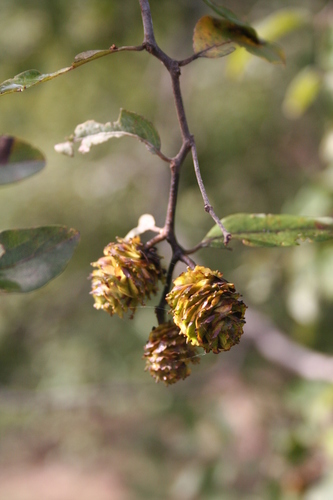
African birch
Anogeissus leiocarpa
The stem bark is used as a chewing stick and is reported in traditional use for oral infections and toothache. No clinical studies were found.
African myrrh
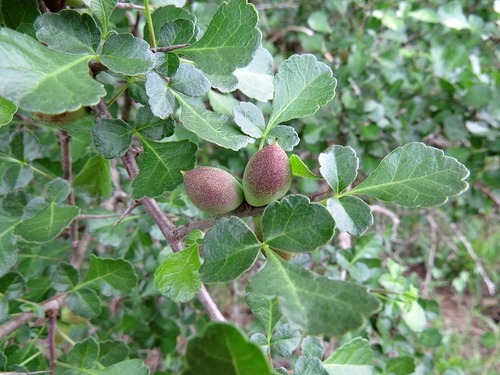
Commiphora africana
In Sudan the resin is used for gingivitis, and in Mauritania the powdered gum is applied for toothache. Acetone extracts of the resin strongly inhibited the tooth-decay bacterium Streptococcus mutans in the lab.
Agati
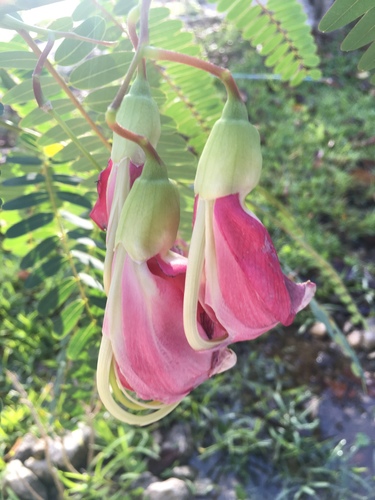
Sesbania grandiflora
The very astringent bark is used for mouth ulcers and ulcers of the digestive tract in Myanmar folk medicine.
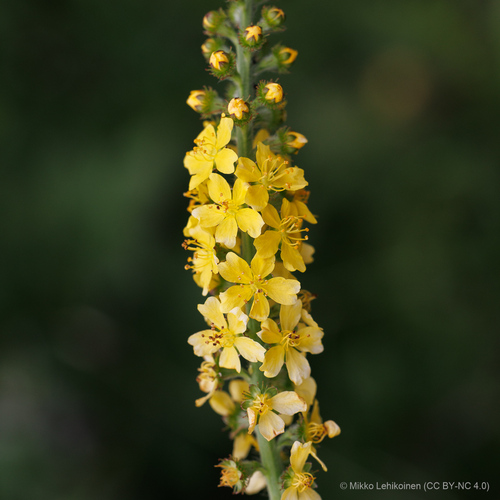
Agrimony
Agrimonia eupatoria
Covered by the same EU gargle indication for minor mouth inflammation.
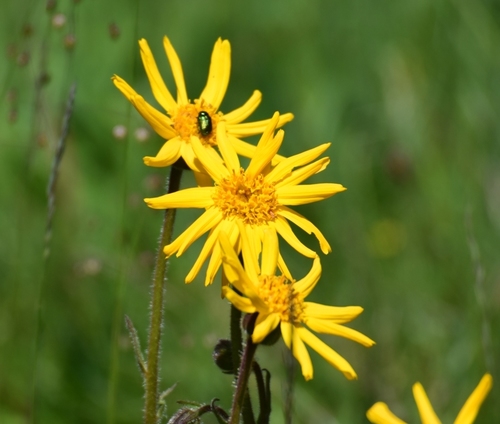
Arnica
Arnica montana
Commission E, WHO and ESCOP monographs listed inflammation of the mouth and throat (gingivitis, aphthous ulcers) among external uses, according to the EMA assessment; EMA did not adopt it.
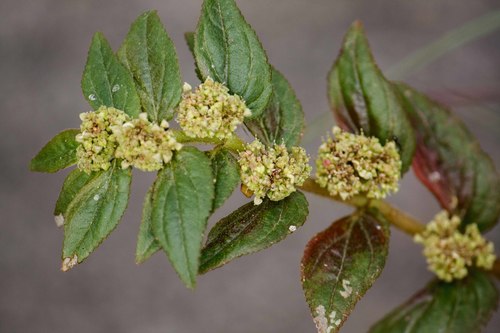
Asthma weed
Euphorbia hirta
A decoction of the fresh herb is used in India as a gargle for thrush, and in Africa for thrush and mouth ulcers.
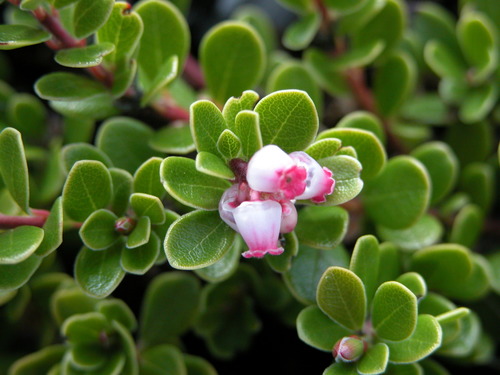
Bearberry
Arctostaphylos uva-ursi
The Blackfoot used an infusion of the plant as a mouthwash for cankers and sore gums.

Beard lichen
Usnea barbata
Part of the same Commission E indication; usnic acid has been used in toothpaste and mouthwash, and experimental oral films contain far less usnic acid than oral supplements did.
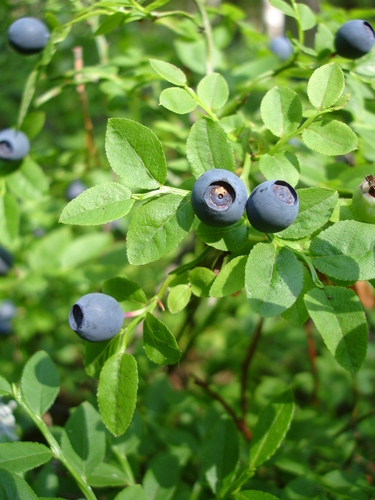
Bilberry
Vaccinium myrtillus
EMA traditional use of a dried-fruit decoction as a mouth rinse for minor inflammation of the oral mucosa, based on long use rather than trials.

Bitter kola
Garcinia kola
Twigs are used as chewing sticks for cleaning the teeth; extracts are antibacterial in the laboratory.
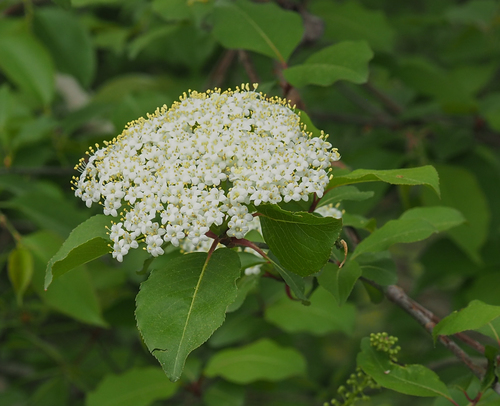
Black haw
Viburnum prunifolium
Cherokee: an infusion of the bark used as a wash for a sore tongue.
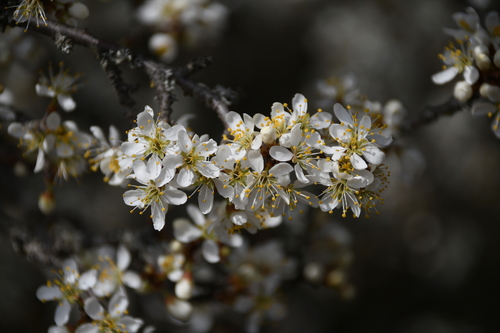
Blackthorn
Prunus spinosa
Same folk use of the astringent fruit for inflammation in the mouth.
Borneo camphor
Dryobalanops aromatica
Used in Chinese medicine for mouth sores and gum pain.
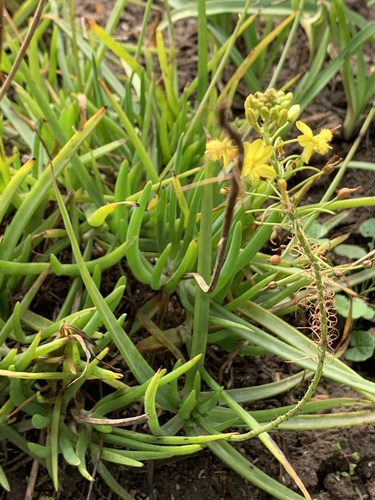
Burn jelly plant
Bulbine frutescens
Zulu use for fever blisters (cold sores) and mouth ulcers.
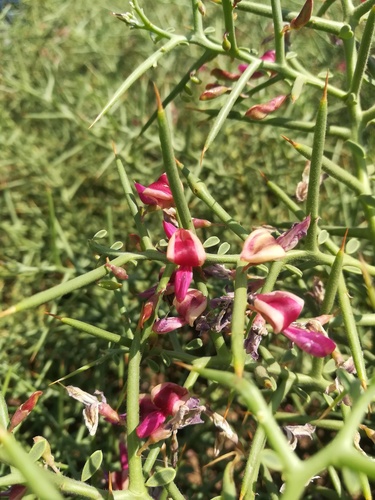
Camelthorn
Alhagi maurorum
Used in Iran for aphthous (mouth) ulcers.
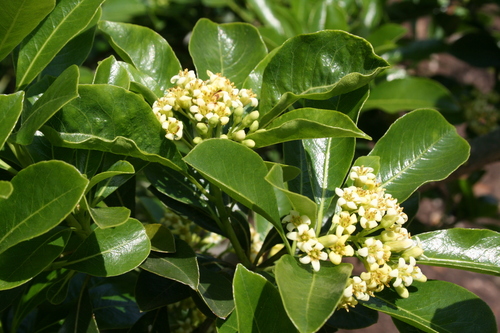
Cheesewood
Pittosporum viridiflorum
Used as a chewing stick for oral hygiene and for oral fungal infections in HIV-positive patients.
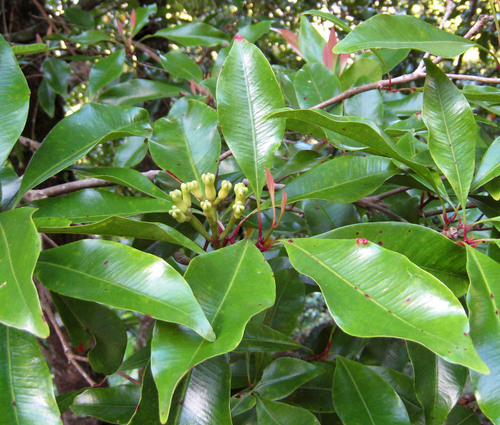
Clove
Syzygium aromaticum
EMA traditional use for symptomatic treatment of minor inflammations of the mouth or throat, as a mouthwash with 1–5% oil. WHO records local use for minor mouth infections.
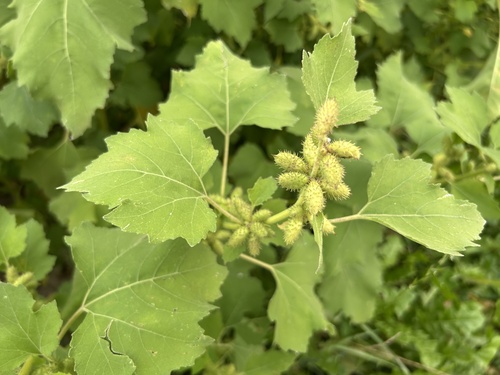
Cocklebur
Xanthium strumarium
The Northern Paiute rubbed the burs on sore gums 'to take the pain, poison and blood out' (Fowler 1989).
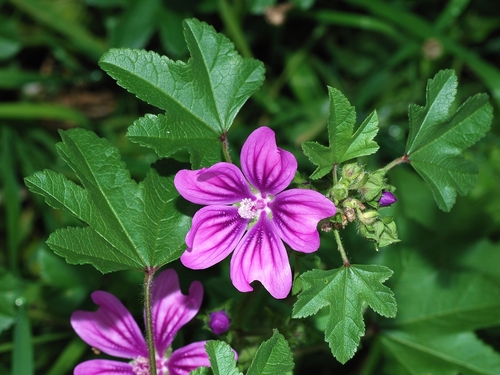
Common mallow
Malva sylvestris
Leaf decoctions are used as mouthwashes for inflamed mouth and gums and applied to aching teeth in Italian, Spanish and Portuguese folk medicine; EMA's throat indication includes oromucosal use.
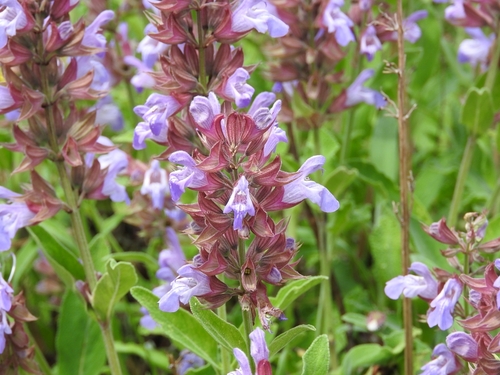
Common sage
Salvia officinalis
EMA traditional use as a gargle or rinse for inflammation of the mouth and throat, including gum inflammation.

Cuachalalate
Amphipterygium adstringens
An 1832 Mexican materia medica records the bark boiled in water 'to firm the teeth'; it is also used for mouth sores.
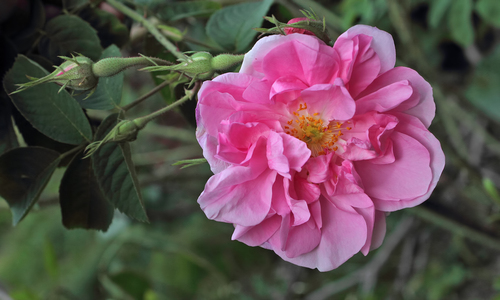
Damask rose
Rosa damascena
EMA traditional use: an infusion of dried petals as a mouth rinse for mild inflammation of the mouth and throat lining. The HMPC also noted one 50-patient trial in which a rose mouthwash did better than placebo, but judged it too small to rely on.
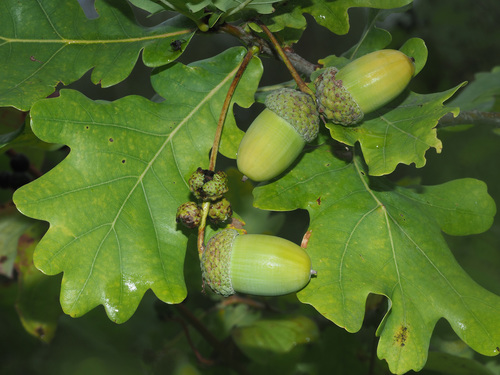
English oak (Pedunculate oak)
Quercus robur
EU traditional-use indication: a decoction used as a mouth rinse for minor inflammation of the oral mucosa, for up to a week.
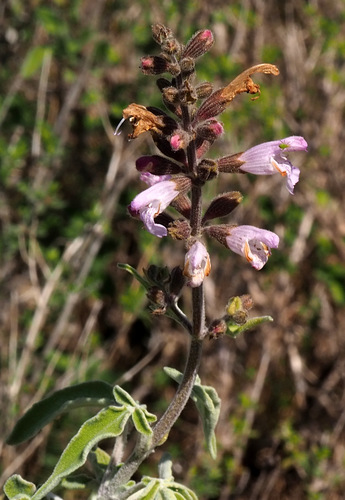
Greek sage
Salvia fruticosa
Used topically as washes, irrigations or poultices for mucosal inflammation and infection (Portugal); untested clinically.
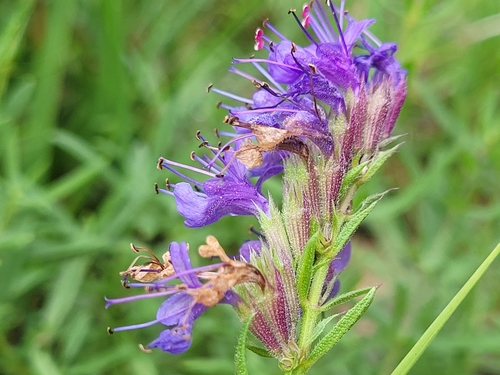
Hyssop
Hyssopus officinalis
A decoction is used to rinse the mouth in stomatitis and other inflammations and to wash the eyes; not clinically tested.
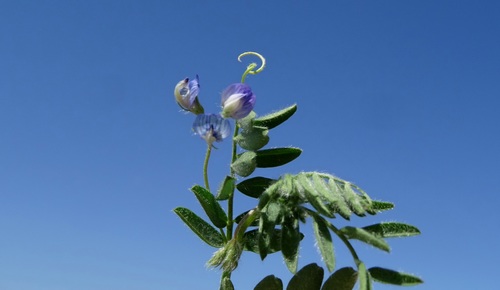
Lentil
Vicia lens
Pliny records a lentil decoction for ulcers of the mouth and genitals and, boiled with vinegar and water, for diseases of the throat. Not clinically tested.

Lodh tree
Symplocos racemosa
Spongy and bleeding gums are among its recorded ethnomedical uses.

Lophatherum
Lophatherum gracile
Used for tongue sores, glossitis and oral ulcers, typically with coptis (Huanglian). No controlled studies.
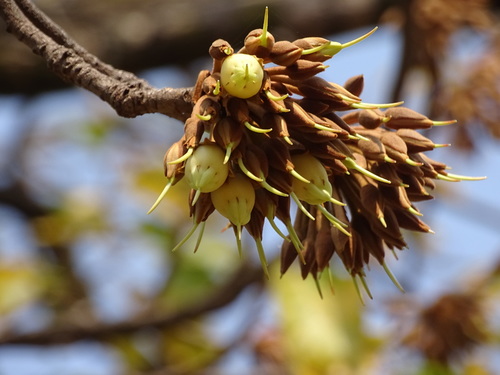
Mahua
Madhuca longifolia
A gargle of about 4 ml of bark extract in 300 ml of water is a recorded remedy for spongy and bleeding gums; untested.
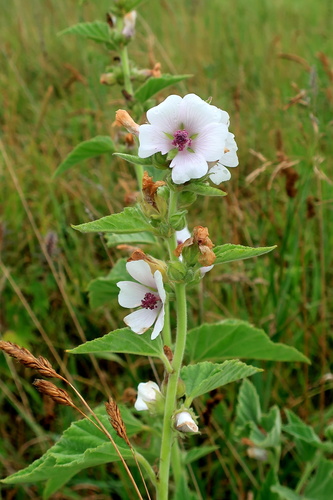
Marsh mallow
Althaea officinalis
The EMA monograph allows oromucosal use of the macerate for irritation of the mouth.
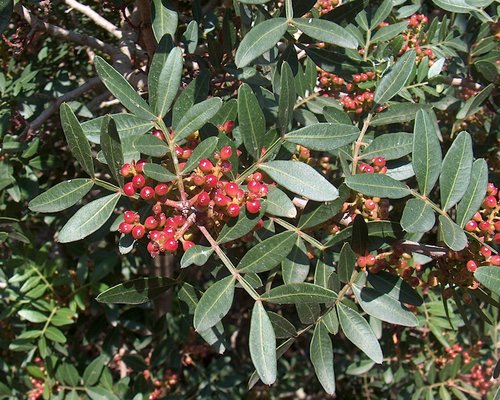
Mastic tree
Pistacia lentiscus
Chewed since antiquity to clean the teeth and freshen breath; Dioscorides recommended it for oral hygiene. Lab studies show activity against Streptococcus mutans; no medicinal indication.

Myrrh
Commiphora myrrha
EMA traditional-use monograph: myrrh tincture for minor ulcers and inflammation in the mouth (stomatitis and gingivitis), on the strength of long use rather than trials.

Noni
Morinda citrifolia
Green fruit was used for bad breath, mouth ulcers and toothache.
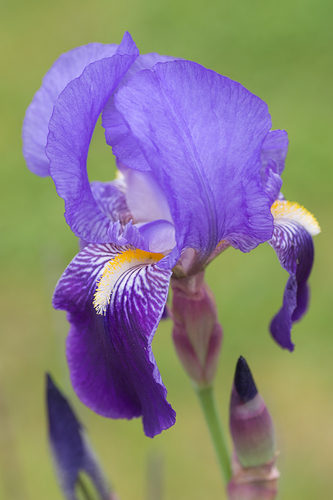
Orris
Iris germanica
King's Dispensatory (1898) says its only remaining use was in breath perfumes and dentifrices, where it flavoured the product and was thought to act 'beneficially on the gums'.

Pellitory
Anacyclus pyrethrum
Listed among Unani herbs for preventing and treating oro-dental disorders, alongside miswak and turmeric.
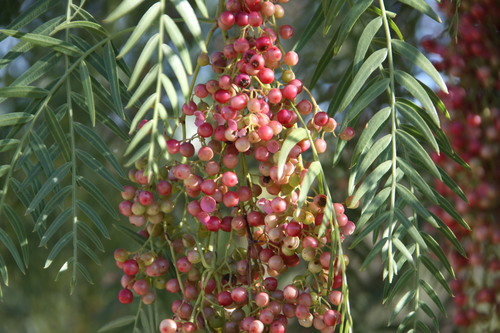
Peruvian pepper
Schinus molle
In Mexico the resin is chewed to strengthen the gums. In a test-tube study, only the undiluted ethanolic extract significantly inhibited a resistant Candida albicans strain (an oral yeast), and less than fluconazole did.
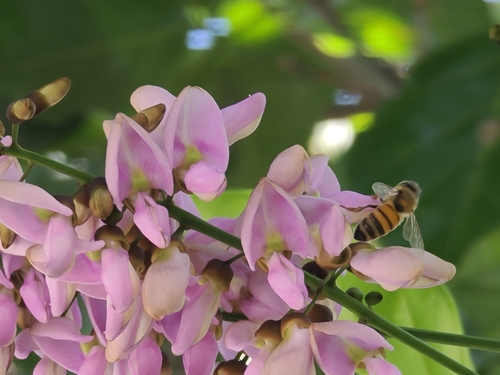
Pongam
Millettia pinnata
Karanj twigs are used as chewing sticks (datun) for oral hygiene; a lab test found its aqueous extract less active against Streptococcus mutans than mango sticks.
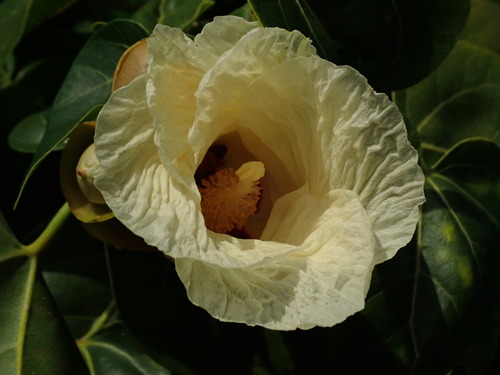
Portia tree
Thespesia populnea
The bark is used for mouth infections in children in Tonga and for stomatitis in Samoa. In the Cook Islands it is used for teething problems in babies.
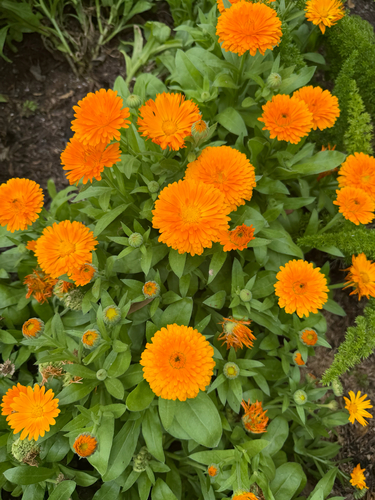
Pot marigold
Calendula officinalis
EMA traditional use for minor inflammation of the mouth or throat, as a rinse or gargle, over 12 years.

Purple loosestrife
Lythrum salicaria
Traditionally used for gum inflammation (gingivitis, periodontosis). No clinical data.
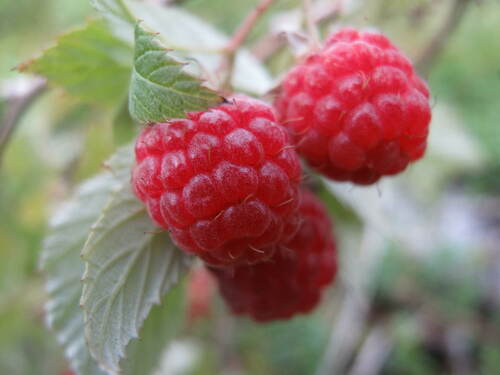
Raspberry
Rubus idaeus
Part of the same EMA indication for mild mouth inflammation; the leaf has long been used as an astringent mouthwash.
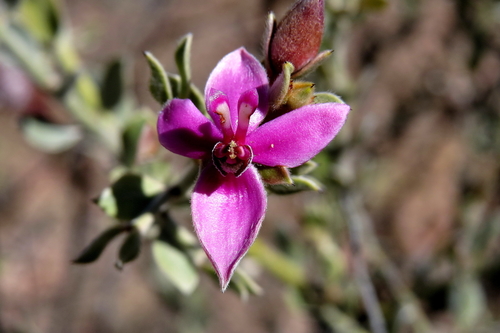
Rhatany
Krameria lappacea
Commission E approved topical use for mild inflammation of the oral and pharyngeal mucosa and for denture pressure sores; ESCOP (2017) lists minor inflammations of the mouth such as stomatitis and gingivitis. Support comes from lab and animal studies showing anti-inflammatory, antimicrobial and astringent effects, not from clinical trials.
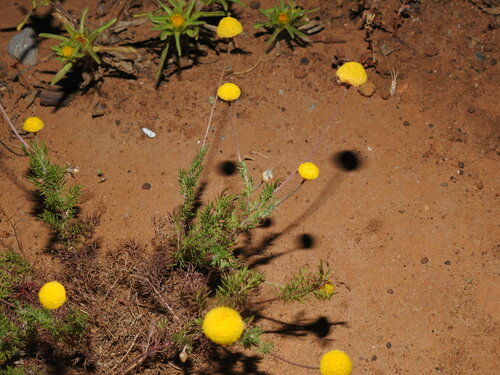
Roman chamomile
Chamaemelum nobile
Used in mouthwashes for inflammation of the oral mucosa; the Commission E monograph described dyspepsia and mouth inflammation as its uses.

Rosary pea (Jequirity)
Abrus precatorius
Leaves were chewed with cubebs and sugar for mouth ulcers (aphthae) in western India. No clinical studies.
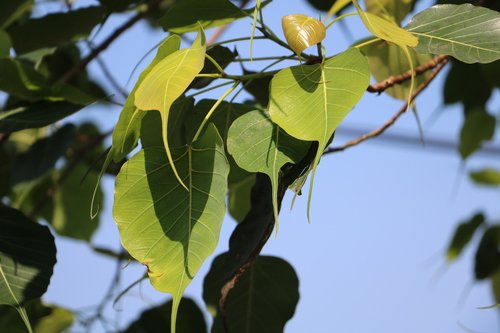
Sacred fig (Bodhi tree)
Ficus religiosa
Root bark is used for stomatitis (mouth inflammation) and ulcers. Not tested.

Senegal prickly-ash
Zanthoxylum zanthoxyloides
The roots are widely used as chewing sticks for cleaning the teeth in West Africa; their effect on oral health has not been tested in trials found here.
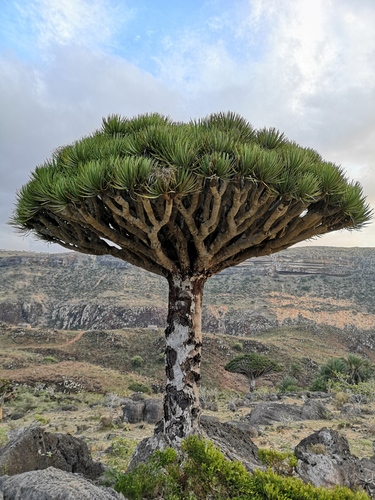
Socotra dragon tree
Dracaena cinnabari
On Socotra a gum-resin from the root is used in gargle water as an astringent and in toothpaste, and the resin as a breath freshener.
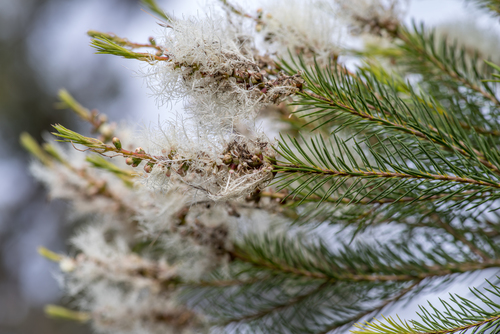
Tea tree
Melaleuca alternifolia
EU traditional use as a diluted rinse or gargle for minor inflammation of the mouth lining, not to be swallowed. NCCIH says the effectiveness of tea tree mouthrinses for gingivitis, plaque and bad breath is uncertain.
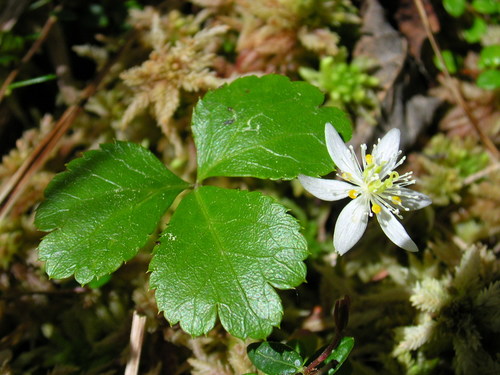
Threeleaf goldthread
Coptis trifolia
The most widely recorded use: Iroquois, Menominee, Ojibwa, Malecite, Micmac, Mohegan and Penobscot people used root infusions, washes or chewed stems for mouth sores, cankers, trench mouth and mouths irritated by tobacco. No clinical studies.
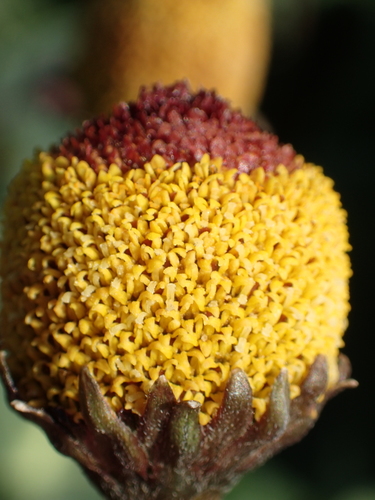
Toothache plant
Acmella oleracea
Used for gum and throat infections across the Americas, Asia and Africa, and for stomatitis in Indonesia; in India it is used to relieve dry mouth (xerostomia).
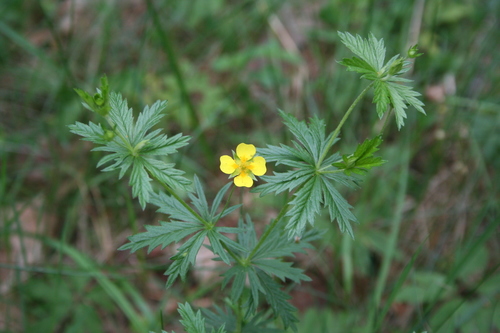
Tormentil
Potentilla erecta
EMA traditional-use indication for minor inflammation of the lining of the mouth, used as a rinse made from the rhizome or its tincture.
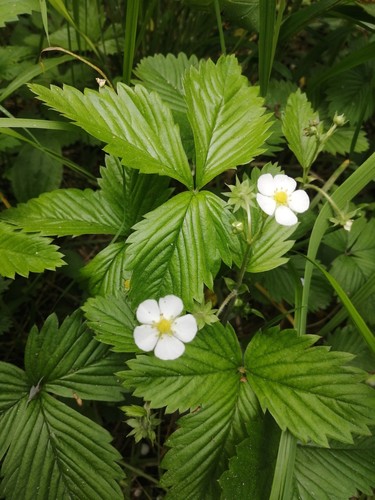
Wild strawberry
Fragaria vesca
Okanagan-Colville people dusted leaf powder into a baby's sore mouth.
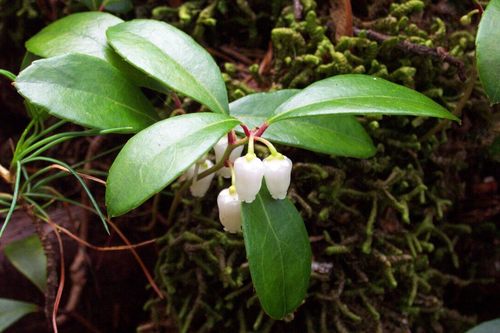
Wintergreen
Gaultheria procumbens
Cherokee chewed the leaves for tender gums; the 19th-century Eclectic John King described the infusion for pain after tooth extraction. Diluted wintergreen oil is used in mouth rinses and gum preparations.