The Apothecary / Immunity & infection
Bacterial infections
102 remedies
See a doctor if
Spreading redness, fever, or a wound that worsens needs antibiotics.
Reference, not prescription. Nothing here is medical advice. Herbs can interact with medicines and be dangerous in pregnancy; tell your doctor or pharmacist about anything you take.
Strong evidence
StrongAn approved medicine, or consistent good-quality trials and reviews.
Acremonium
Acremonium chrysogenum
Cephalosporins made from its cephalosporin C are approved antibiotics for treating and preventing bacterial infections. First-generation drugs act mainly on Gram-positive bacteria such as Staphylococcus and Streptococcus and are used for skin and soft-tissue infections and to prevent surgical infections; later generations reach more Gram-negative bacteria.

Fleming's penicillin mould
Penicillium rubens
Penicillins remain first-line prescription treatment for many bacterial infections, including chest, skin and throat infections, and are used to prevent infection in people with sickle cell disease or without a spleen. Benzylpenicillin and phenoxymethylpenicillin are WHO essential medicines.
Glarea lozoyensis
Glarea lozoyensis
Caspofungin, made semi-synthetically from the fungus's pneumocandin B0, is approved in Europe for invasive candidiasis in adults and children, for invasive aspergillosis that has not responded to or cannot be treated with amphotericin B or itraconazole, and as empirical therapy for suspected fungal infection in febrile, neutropenic patients. It is given only by intravenous infusion in hospital.
Moderate evidence
ModerateSeveral trials, mostly positive, or an EMA ‘well-established use’ monograph.
Limited evidence
LimitedSmall or few trials, mixed results, or mainly lab and animal work.
African nutmeg
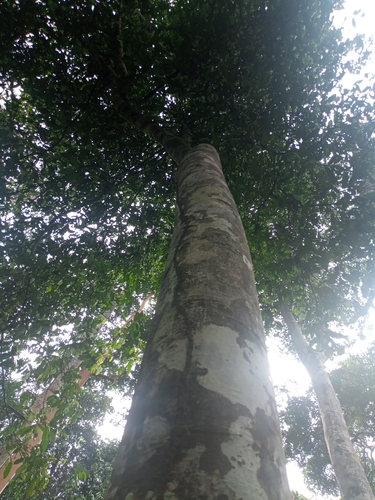
Pycnanthus angolensis
In agar tests, the crude sap inhibited Staphylococcus aureus, S. saprophyticus, E. coli, Salmonella typhi and Pseudomonas aeruginosa, but not Proteus mirabilis. Stem bark extract was weakly active against Mycobacterium ulcerans, the cause of Buruli ulcer (MIC 256 µg/ml). The Yoruba use it for skin infections.
African yellow wood
Annickia chlorantha
Traditionally used for typhoid, 'rickettsia fever' and infected wounds. A hydro-ethanolic bark extract inhibited multidrug-resistant E. coli, Klebsiella, Enterobacter and MRSA in the lab (MIC under 100 µg/ml). Its alkaloid columbamine was the most active and made norfloxacin, ciprofloxacin and doxycycline more effective.
Agarikon
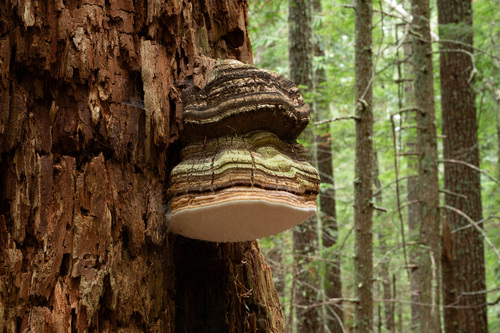
Laricifomes officinalis
Used for millennia particularly against pulmonary diseases. Lab studies report activity against Mycobacterium tuberculosis, Yersinia and Staphylococcus aureus, from chlorinated coumarins in the mycelium and lanostane triterpenoids in the fruit body; in one comparison the minimum inhibitory concentrations were very high.
Agarwood
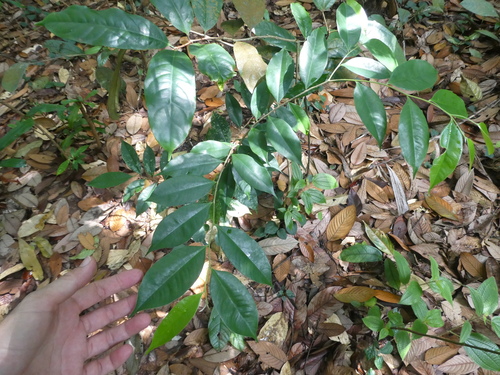
Aquilaria malaccensis
A 2024 scoping review found antimicrobial and anti-inflammatory activity in laboratory studies of agarwood and leaf extracts, but no clinical trials.
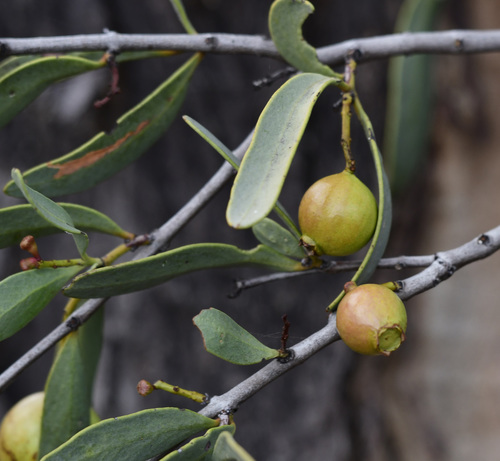
Australian sandalwood
Santalum spicatum
In the test tube the essential oil killed Gram-positive bacteria isolated from skin (MIC 15.6–62.5 µg/mL) and inhibited inflammatory enzymes (5-lipoxygenase, phospholipase A2 and cyclooxygenase), without cytotoxicity to skin cells below 500 µg/mL. No human studies were found.

Beard lichen
Usnea barbata
Used as an antiseptic in US and Spanish folk medicine. Extracts are strongly active in the lab against Gram-positive bacteria such as Staphylococcus aureus and Mycobacterium tuberculosis, less so against Gram-negative bacteria and yeasts.
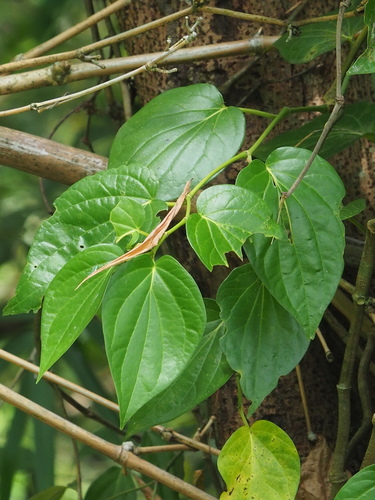
Betel
Piper betle
Leaf extracts and essential oil inhibit bacteria and fungi in the laboratory, which underlies its use as an antiseptic mouthwash in parts of Asia. No clinical trials of infection treatment were found.

Bitter yam
Dioscorea dumetorum
Methanolic extracts of non-edible D. dumetorum showed antibacterial activity in the lab, strongest against Proteus mirabilis.
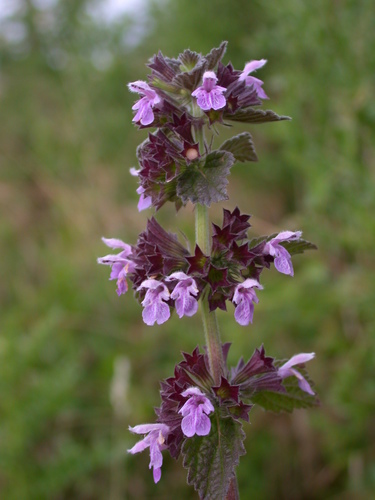
Black horehound
Ballota nigra
Verbascoside, forsythoside B and arenarioside from the herb had moderate antibacterial activity against Proteus mirabilis and Staphylococcus aureus, including MRSA, in the lab; an extract inhibited MRSA biofilm formation.

Black pepper
Piper nigrum
Extracts and piperine inhibit a range of bacteria in the laboratory, including biofilm formation and bacterial efflux pumps, but this has not been tested in people.
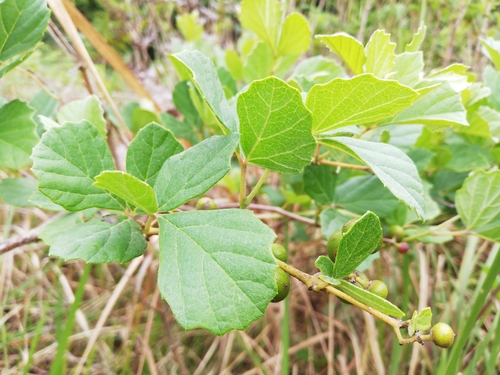
Bushman's grape
Rhoicissus tridentata
Used for sexually transmitted infections; root extracts inhibited Neisseria gonorrhoeae (MIC 0.40 mg/ml), Candida albicans and Gardnerella vaginalis in vitro, and other extracts were active against urinary-tract bacteria.
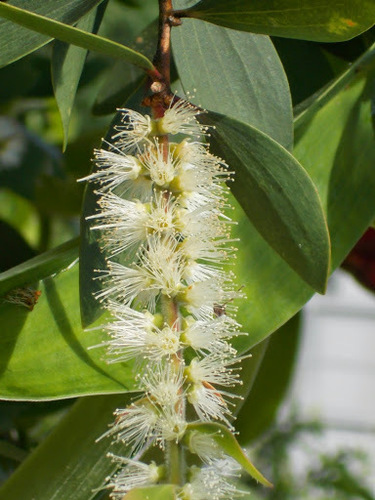
Cajuput
Melaleuca cajuputi
Leaf extracts inhibited Staphylococcus aureus, Streptococcus agalactiae, Klebsiella pneumoniae and E. coli in vitro.

Cashew
Anacardium occidentale
Anacardic acids, about 65% of cashew nut shell liquid, show antibacterial, antitumour and antioxidant activity in laboratory studies and are explored as lead compounds; there are no clinical trials.
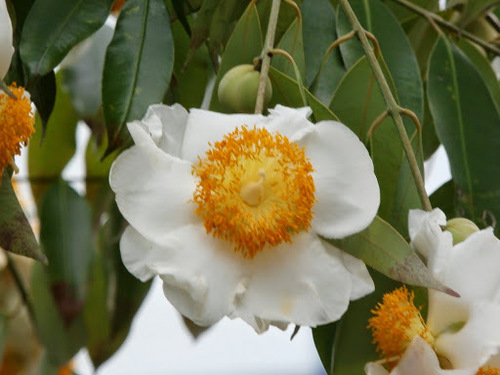
Ceylon ironwood
Mesua ferrea
In Myanmar, flowers are used in traditional remedies; flower extract showed strong antibacterial activity against Proteus vulgaris and Staphylococcus aureus in the laboratory, and coumarins from the plant are being studied against drug-resistant bacteria.
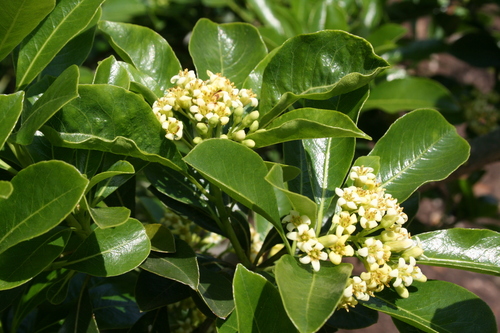
Cheesewood
Pittosporum viridiflorum
Eastern Cape healers use an infusion for opportunistic fungal infections in people with HIV/AIDS, including cryptococcal meningitis. Bark extracts had strong antioxidant activity in vitro, and leaf extracts inhibited Bacillus anthracis (vaccine strain) at 0.08 mg/ml.
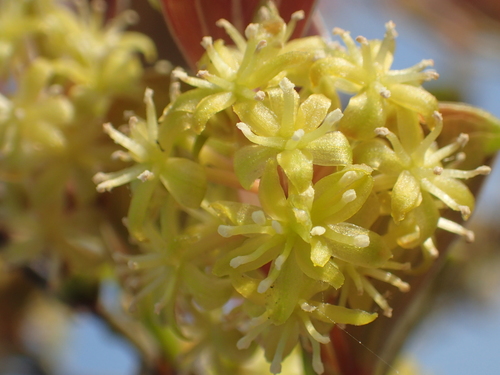
China root
Smilax china
Extensively used in Chinese medicine for pelvic inflammatory disease, often alongside antibiotics, as granules, syrups, pills and capsules; the supporting evidence cited is mechanistic (network pharmacology and animal studies).
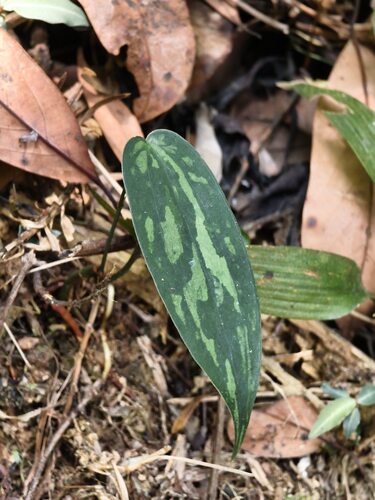
Chinaroot
Smilax glabra
Syphilis: recorded in the Bencao Gangmu for syphilitic skin lesions and in the Dian Nan Ben Cao as the best medicine for syphilis; listed for syphilis in the Chinese Pharmacopoeia. In a randomised study of 42 patients with persistent positive syphilis serology after treatment, adding the herb to benzathine penicillin raised serological conversion from 24% to 62%. It does not replace antibiotic treatment.

Christmas bush
Alchornea cordifolia
Used in Cameroon for urogenital infections. A leaf water extract was weakly bacteriostatic against E. coli (MIC 1500 µg/ml) and cleared experimental E. coli infection in rats; human data are lacking.

Cuachalalate
Amphipterygium adstringens
Bark extracts and anacardic acids inhibit Helicobacter pylori (the main cause of peptic ulcer) and oral bacteria such as Streptococcus mutans in the lab; activity against H. pylori stayed stable across tree sex and season.
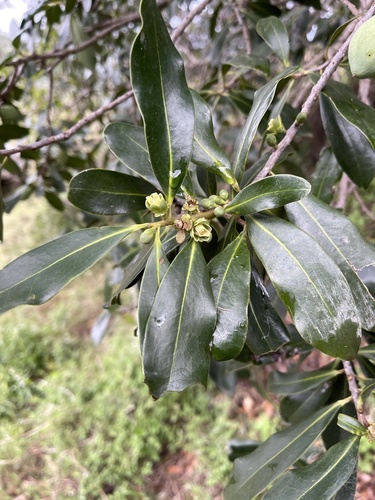
East African greenheart
Warburgia ugandensis
Reviews describe broad antimicrobial activity of extracts against bacteria and Candida in the laboratory, which is attributed to drimane sesquiterpenes. Traditional uses include pneumonia, skin infections and HIV-related opportunistic infections; none has been tested clinically.
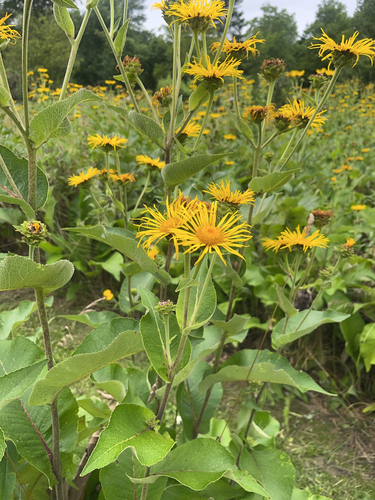
Elecampane
Inula helenium
Hydro-ethanolic root extracts and their sesquiterpene lactones (alantolactone, isoalantolactone, igalan) inhibited Staphylococcus aureus in laboratory tests. No studies in people.
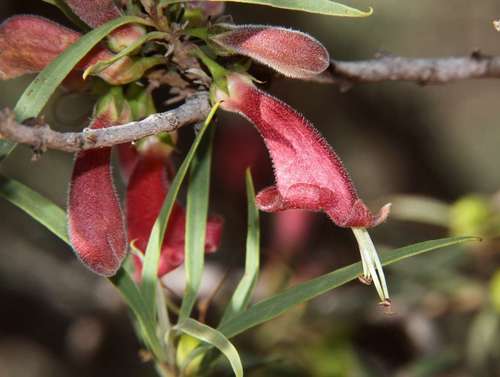
Emu bush
Eremophila longifolia
Smoke extracts made in the lab to mimic smoking ceremonies showed significant antimicrobial activity, and the main active compound, (−)-genifuranal, forms only when the leaves are heated. Partly pyrolysed oils were about three or more times as antimicrobial and 30–700 times more antioxidant than fresh oil.
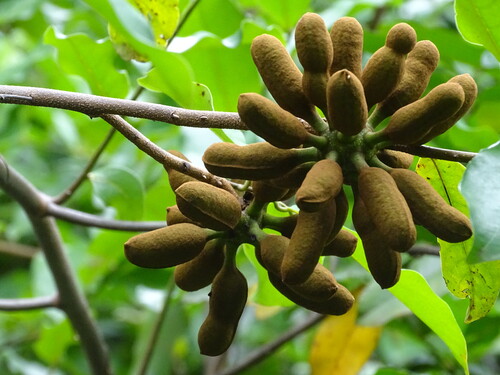
Finger root
Uvaria chamae
Roots are used for infections in southern Benin. Ethanol root extracts inhibited multidrug-resistant Gram-positive bacteria, including MRSA and vancomycin-resistant enterococci, in agar diffusion tests; the activity was linked to ten chalcones and dihydrochalcones. Lab only.
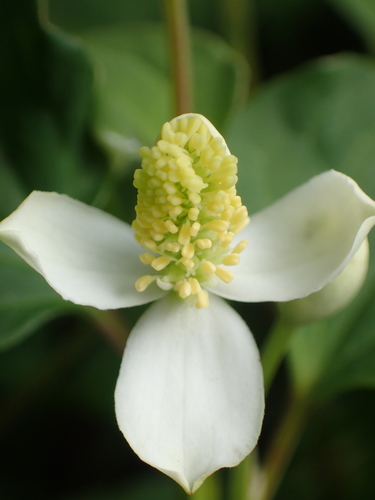
Fish mint
Houttuynia cordata
Used in Chinese medicine for pneumonia and lung abscess, usually in formulas. Extracts are antibacterial against Staphylococcus aureus and other bacteria in the laboratory and reduced lung injury and inflammation in animal models; no controlled human trials of the herb alone were found.
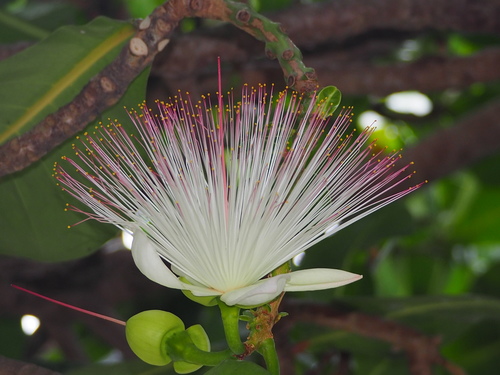
Fish poison tree
Barringtonia asiatica
Methanol extracts of leaves, fruit, seeds, stem bark and root bark showed broad antibacterial and some antifungal activity in the lab. Lab data only.
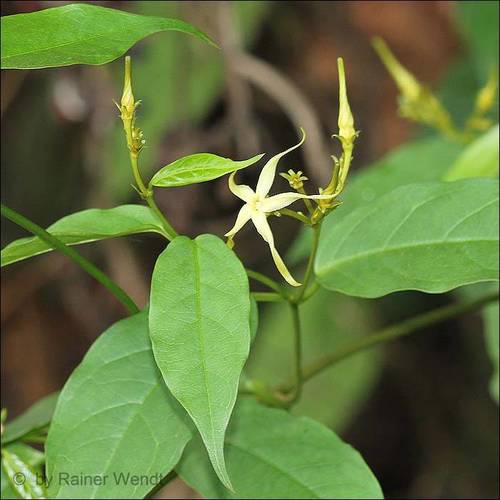
Ghana quinine
Cryptolepis sanguinolenta
Used traditionally for upper respiratory and urinary infections, septicaemia and tuberculosis; extracts and cryptolepine kill many bacteria in the lab (e.g. E. coli, Salmonella Typhi, Klebsiella), but there are no clinical trials.
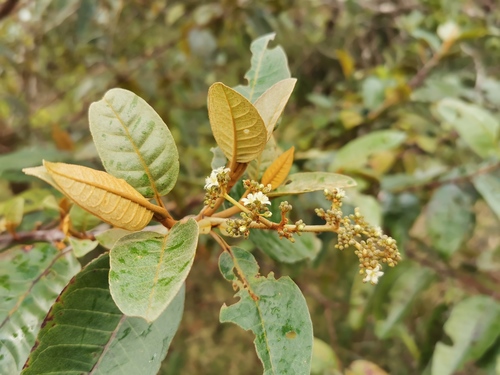
Haronga
Harungana madagascariensis
Used in Cameroonian folk medicine for typhoid fever. An aqueous leaf extract cleared Salmonella Typhimurium infection in rats within 10 days at non-toxic doses; leaf, bark and fruit extracts are antibacterial in vitro, including against multidrug-resistant Staphylococcus aureus.
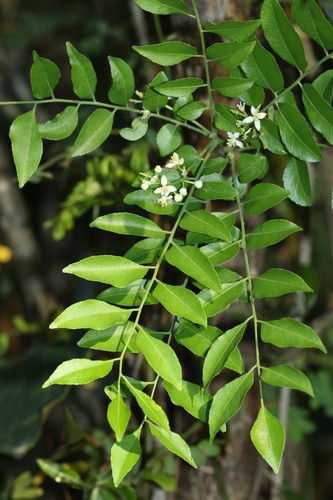
Horsewood
Clausena anisata
Widely used in West Africa for bacterial and fungal skin infections such as boils, ringworm and eczema. An ethanol leaf extract inhibited Gram-positive and Gram-negative bacteria and Candida albicans in the lab at fairly high concentrations (MICs about 0.5–7 mg/ml). No human studies.
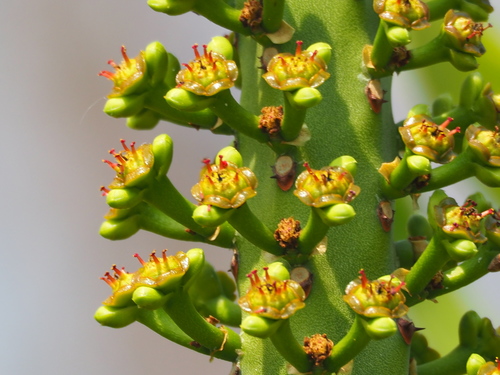
Indian spurge tree
Euphorbia neriifolia
Extracts and isolated compounds are active against bacteria, fungi and some viruses in the laboratory; a 2026 study found leaf juice inhibited Pseudomonas aeruginosa from otitis externa in vitro. No clinical studies.
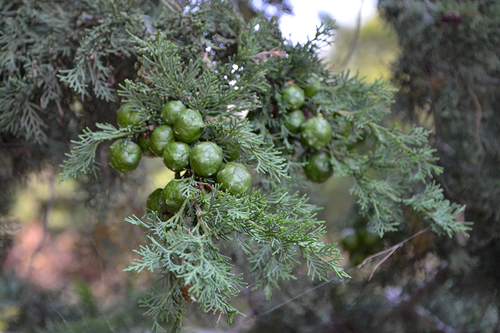
Italian cypress
Cupressus sempervirens
The essential oil (mainly α-pinene and δ-3-carene) and a methanol extract inhibited bacteria such as Klebsiella pneumoniae and removed biofilm from infusion tubing in the laboratory. Laboratory data only.

Kakadu plum
Terminalia ferdinandiana
Fruit and leaf extracts inhibited many bacteria in the lab, including MRSA and β-lactam-resistant strains, and some boosted conventional antibiotics. No studies in people were found.
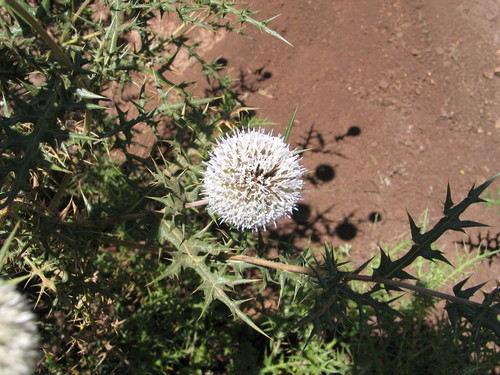
Kebericho
Echinops kebericho
Used for wound infections, tuberculosis, syphilis and typhoid; root (tuber) extracts showed antibacterial activity in the lab.

Lodh tree
Symplocos racemosa
Bark extracts, especially the flavonoid fraction, inhibited reference bacteria, drug-resistant clinical isolates and biofilms in the laboratory. Test-tube work only.

Mandravasarotra
Cinnamosma fragrans
Used for gastrointestinal infections; the essential oil contains 1,8-cineole and linalool, reported as antimicrobial agents. Laboratory data only.
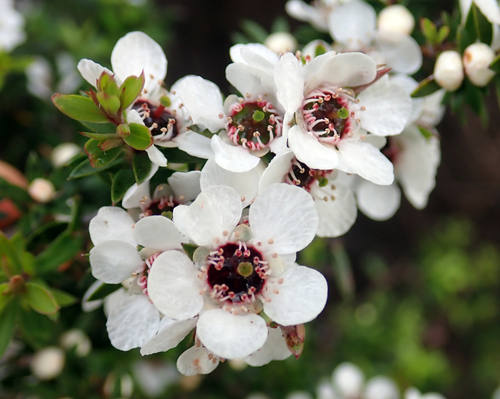
Mānuka
Leptospermum scoparium
Mānuka honey and oil are antibacterial in the lab, including against antibiotic-resistant bacteria, but trials found the honey no better than standard care for catheter infections or clearing MRSA from the nose.
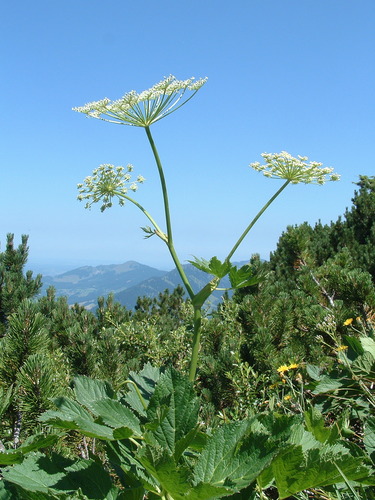
Masterwort
Peucedanum ostruthium
Root extract was among the most active of 158 extracts against Staphylococcus aureus; ostruthin was identified as the main antibacterial constituent and also inhibited Enterococcus. Laboratory data only.
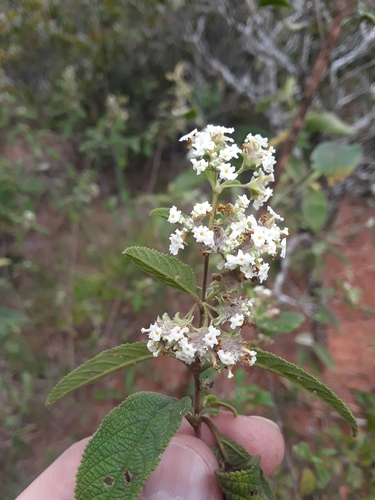
Mexican oregano
Lippia graveolens
The essential oil is antibacterial in laboratory tests and enhanced the antibiotic imipenem against Pseudomonas aeruginosa and Acinetobacter baumannii in vitro; test-tube data only.
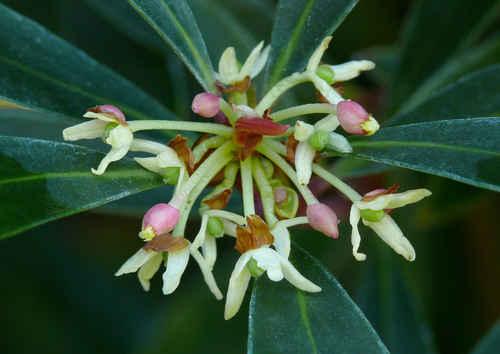
Mountain pepper
Tasmannia lanceolata
Fruit extracts strongly inhibited Proteus mirabilis in the test tube (MIC 11 µg/ml for the methanolic extract, stronger than the control antibiotics in that assay). No human studies.
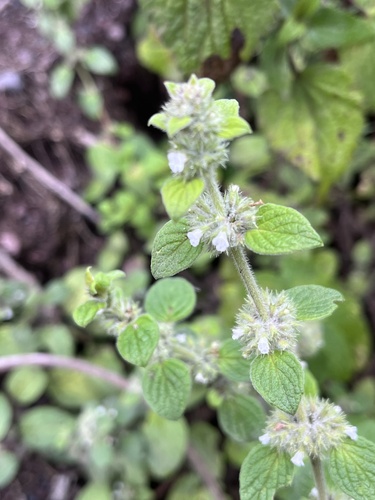
Muña
Minthostachys mollis
The essential oil inhibited Gram-positive and Gram-negative bacteria in the test tube, and undiluted oil inhibited Candida albicans, though less than fluconazole. No human studies.
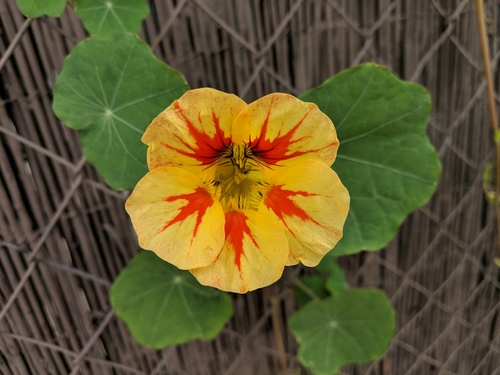
Nasturtium
Tropaeolum majus
In a 14-day double-blind crossover study, 3 g daily of nasturtium in 30 healthy women produced urinary benzyl isothiocyanate with a weak antibacterial effect against E. coli and raised urinary beta-defensin 1, without changing the overall gut microbiome.
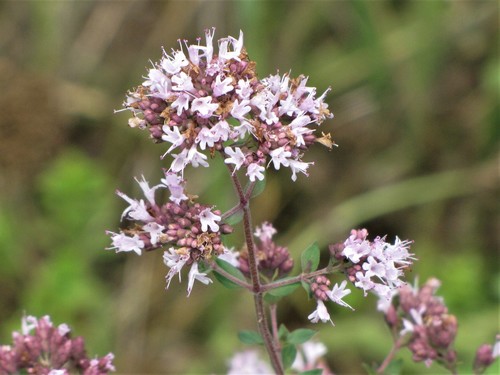
Oregano
Origanum vulgare
The essential oil and its main constituents carvacrol and thymol are antibacterial, antiviral and anti-inflammatory in laboratory studies; early civilisations used the herb for infectious diseases.
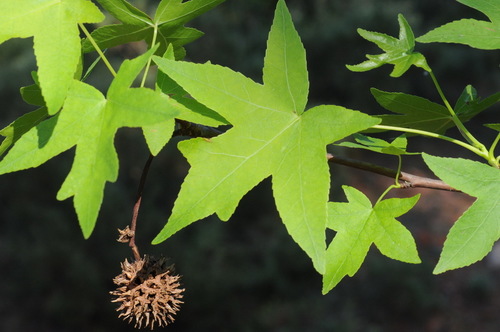
Oriental sweetgum
Liquidambar orientalis
The essential oil showed antibacterial and antibiofilm activity against clinically relevant bacteria in laboratory tests.
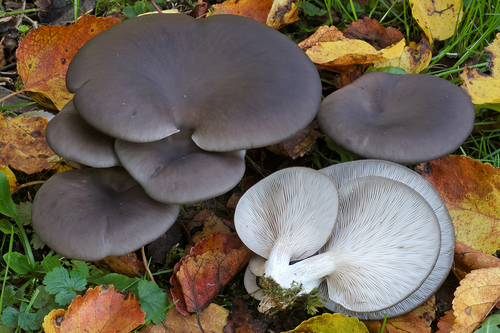
Oyster mushroom
Pleurotus ostreatus
In a randomised, double-blind trial in 249 children with recurrent respiratory infections, a chewable pleuran supplement with vitamin D and zinc cut total infections by about 15% and colds by about 19% over 3 months, compared with vitamin D and zinc alone. Both pleuran trials come from the same research group.
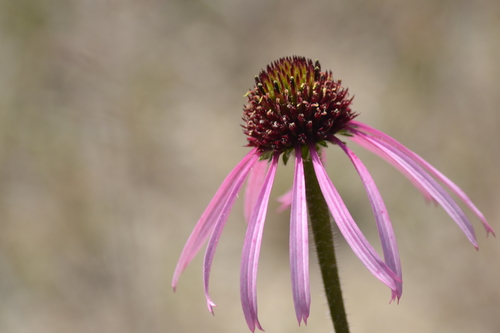
Pale purple coneflower
Echinacea pallida
WHO lists Radix Echinaceae (E. angustifolia and E. pallida) for supportive therapy of colds and respiratory and urinary tract infections, attributing the effect to immune stimulation seen in laboratory and animal studies.
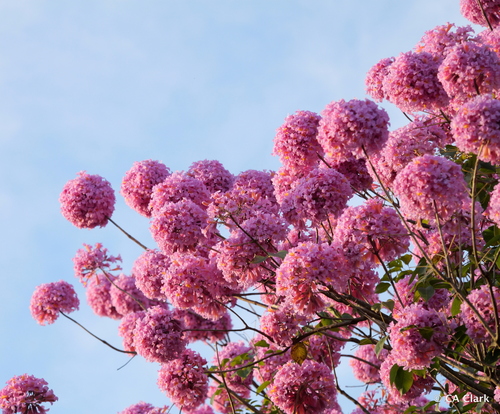
Pau d'arco
Handroanthus impetiginosus
Traditionally used for bacterial, fungal and viral infections; bark extracts and naphthoquinones are antibacterial and antifungal in laboratory studies, including against bacteria linked to diarrhoea, and against Giardia in human gut organoids. No clinical trials for infection.

Pennyroyal
Mentha pulegium
The essential oil showed antibacterial (including against Acinetobacter baumannii), anti-quorum-sensing and anti-inflammatory activity in laboratory tests only.
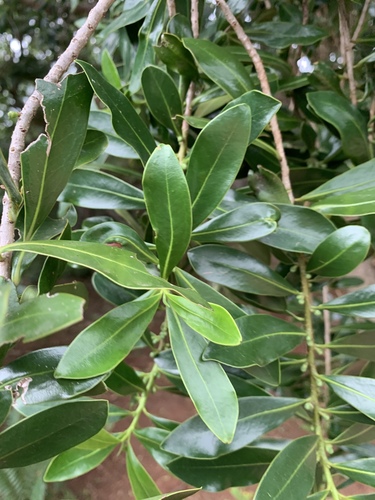
Pepper-bark tree
Warburgia salutaris
Used for respiratory tract infections, tuberculosis and sexually transmitted infections; extracts are antibacterial and antimycobacterial in the lab (e.g. MIC 12.5 µg/ml against Bacillus subtilis). No clinical trials.
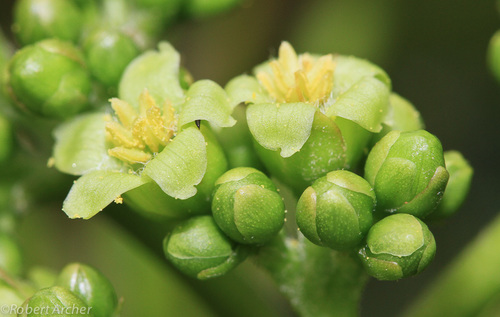
Physic nut
Jatropha curcas
Latex 'has long been used to treat infections'; activity is shown only in laboratory tests.
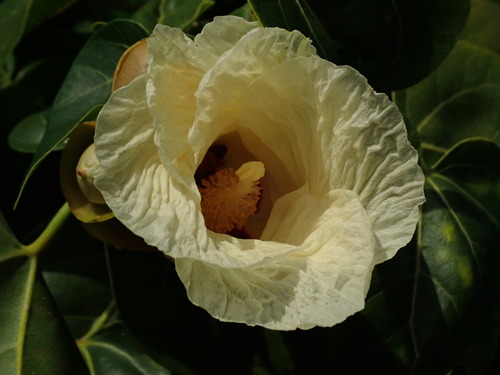
Portia tree
Thespesia populnea
In French Polynesia it is used for boils, pus-filled skin infections and abscesses. A bark extract moderately inhibited Staphylococcus and Streptococcus agalactiae in the laboratory (MIC 0.15–0.30 mg/ml).
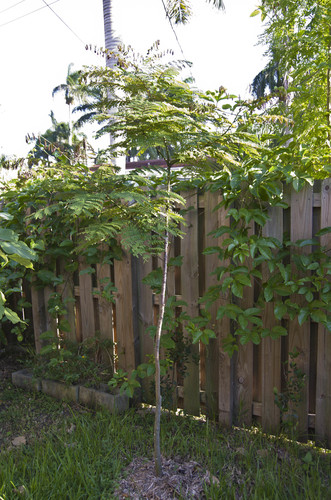
Prekese
Tetrapleura tetraptera
Leaf, stem-bark and fruit extracts inhibited various bacteria and fungi in laboratory tests. There are no clinical studies.
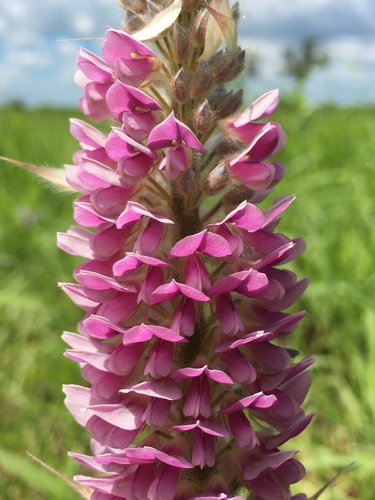
Prishnaparni
Uraria picta
Isoflavanones and other compounds isolated from the root inhibited Gram-positive and Gram-negative bacteria and fungi in the laboratory (MIC 12.5–200 µg/ml). Test-tube work only.
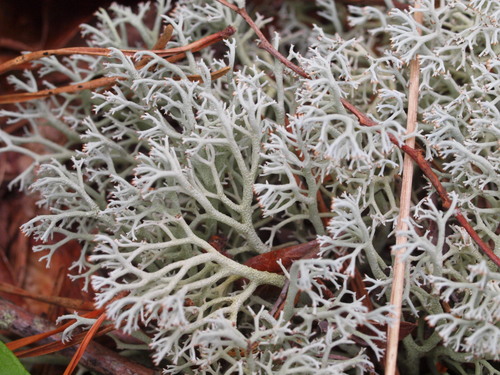
Reindeer lichen
Cladonia rangiferina
Compounds isolated from the lichen (abietane diterpenoids and others) showed mild activity against MRSA and vancomycin-resistant enterococci in the test tube; there are no studies in people.
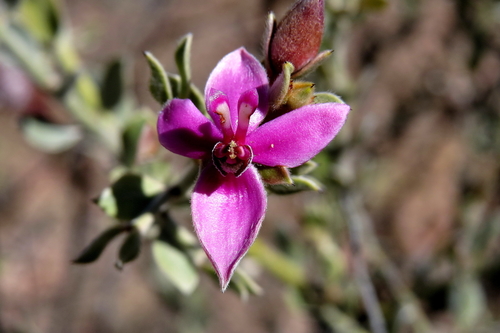
Rhatany
Krameria lappacea
Root extracts inhibited growth and biofilm formation of methicillin-resistant Staphylococcus aureus strains and other Gram-positive bacteria in laboratory studies only.
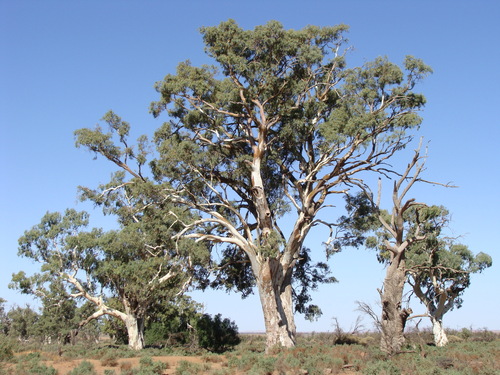
River red gum
Eucalyptus camaldulensis
Essential oils and leaf and bark extracts inhibited many bacteria and fungi in the laboratory, including multidrug-resistant Acinetobacter baumannii wound isolates (oil MIC 0.5–2 µl/ml), and some combinations with antibiotics were synergistic. These are test-tube results only.
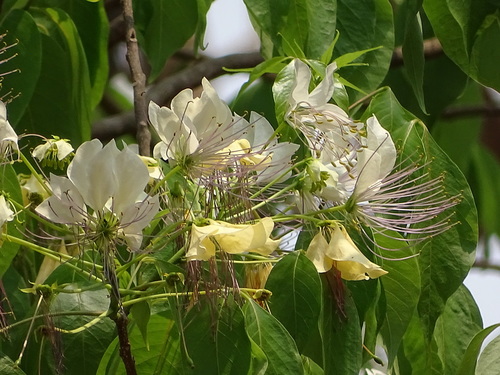
Sacred garlic pear
Crateva religiosa
Ethanol extracts inhibited Candida, Cryptococcus and Aspergillus species in disc-diffusion tests; water extracts did not inhibit Candida. Laboratory only.
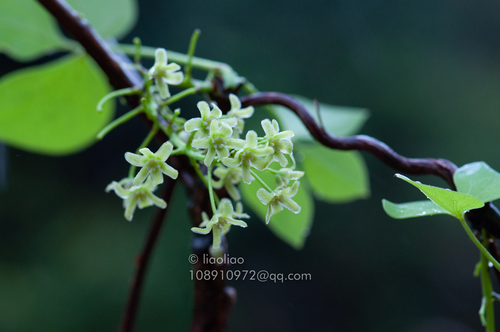
Sargent gloryvine
Sargentodoxa cuneata
For pelvic inflammatory disease: a literature review lists several small Chinese randomised trials in which multi-herb decoctions or granules containing hong teng, added to antibiotics, gave higher reported response rates than antibiotics alone. The trials were small, often did not report blinding or drop-outs, and the effect of hong teng itself cannot be separated out.
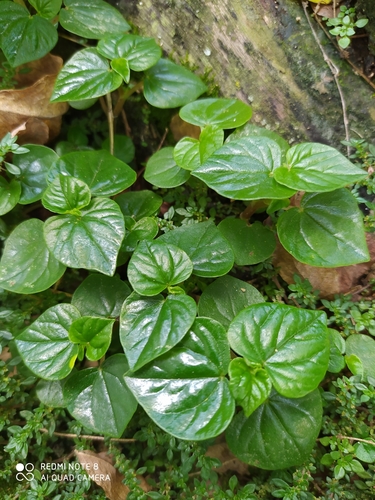
Shiny bush
Peperomia pellucida
Antibacterial activity is among the most studied effects of the plant's extracts and essential oils, but only in laboratory tests; one isolated sesquiterpene was weakly active against Candida albicans (MIC 512 µg/ml).
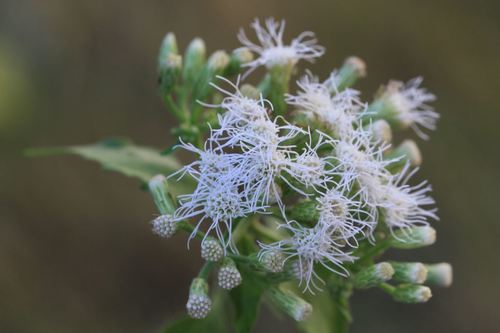
Siam weed
Chromolaena odorata
Leaf extracts inhibited Gram-positive and Gram-negative bacteria in the laboratory, including clinical isolates. Test-tube data only.
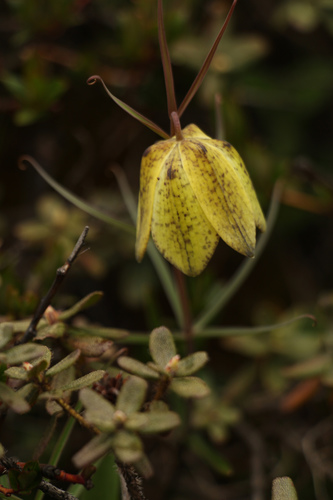
Sichuan fritillary
Fritillaria cirrhosa
Bulb extract and individual alkaloids inhibited Staphylococcus aureus, Escherichia coli and Moraxella catarrhalis in laboratory tests.
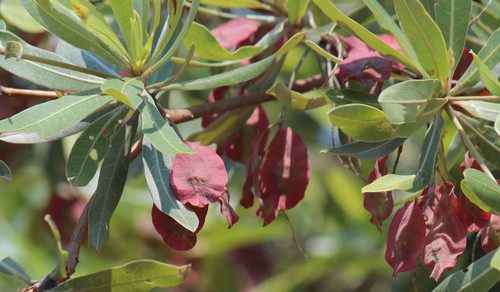
Silver cluster-leaf
Terminalia sericea
Anolignan B, termilignan B and arjunic acid from the root were active against Gram-positive and Gram-negative bacteria (MICs about 2–31 µg/ml), and root extracts against Candida albicans. Test-tube evidence only.
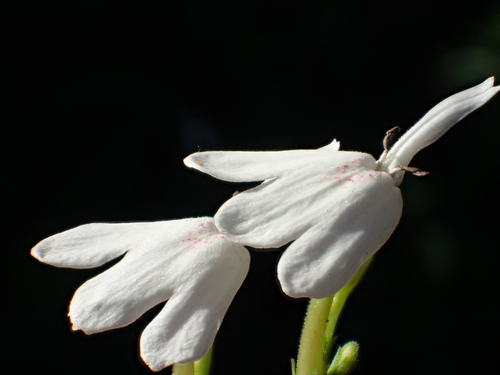
Snake jasmine
Rhinacanthus nasutus
A standardised rhinacanthin-rich extract killed Streptococcus mutans (MIC 4 µg/ml) and inhibited Staphylococcus aureus, S. epidermidis and the acne bacterium in vitro.
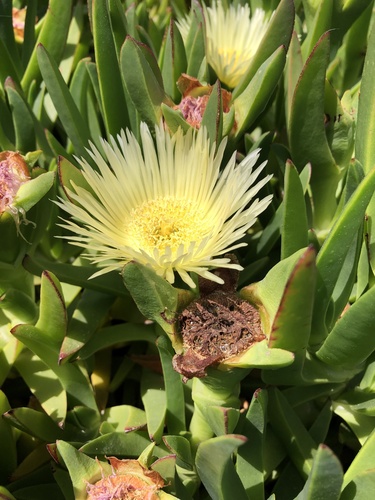
Sour fig
Carpobrotus edulis
A crude methanol extract was strongly antibacterial, attributed to flavonoids including rutin, neohesperidin and hyperoside; the extract also inhibited a multidrug efflux pump in cell studies.
Spiked thyme
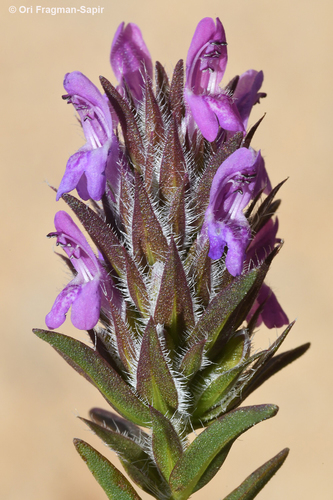
Thymbra spicata
The essential oil (about 54% carvacrol) inhibited Staphylococcus aureus and Candida parapsilosis and, below inhibitory doses, blocked biofilm formation and quorum sensing in vitro; a separate study reports synergy of extracts with antibiotics against multidrug-resistant S. aureus and Klebsiella.
Sweet chestnut
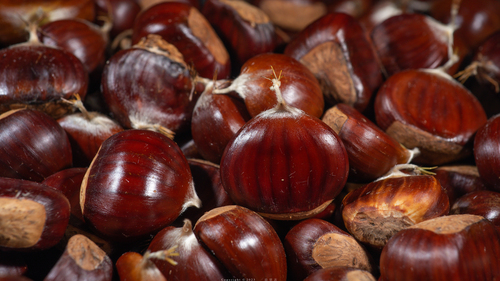
Castanea sativa
Leaf extracts, chosen because they are used for skin and soft-tissue infections in Italian folk medicine, blocked the quorum-sensing (agr) system that switches on Staphylococcus aureus toxins, in lab assays and a mouse abscess model, without killing the bacteria or provoking resistance. No human trials.
Sweet detar
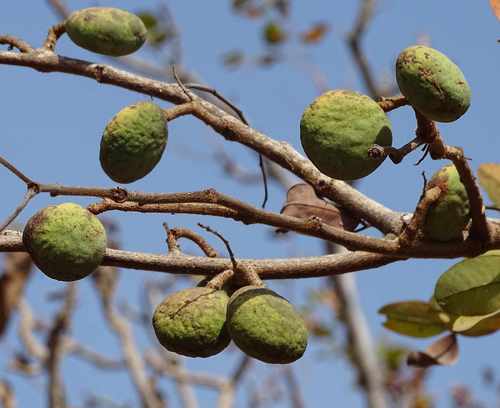
Detarium microcarpum
Traditionally used for typhoid fever. In rats infected with Salmonella typhimurium, a hydroethanolic root-bark extract cleared the infection and limited damage to blood and organs, both when given at infection and as a curative treatment. Animal studies only.
Syrian rue
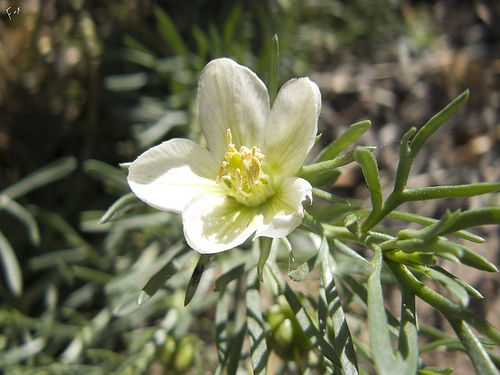
Peganum harmala
Extracts and alkaloids are antibacterial, antifungal, antiviral and antiparasitic in lab and animal studies; in hamsters with leishmaniasis, different formulations of harmine cut the parasite load in the spleen by about 40–80%. No clinical trials were found.
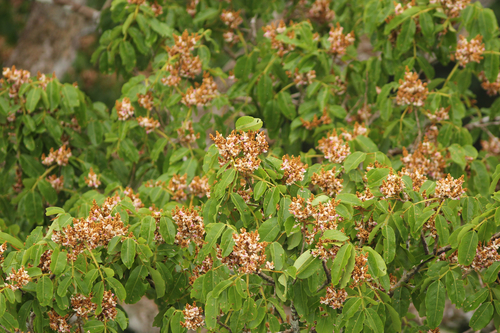
Tonka bean
Dipteryx odorata
In the laboratory, an ethanol seed extract with coumarin as its main constituent inhibited several human pathogenic bacteria. A second study found little antibacterial activity: seed extracts were inactive, and husk and endocarp extracts inhibited Pseudomonas aeruginosa only at 2000 µg/ml. Test-tube data only.
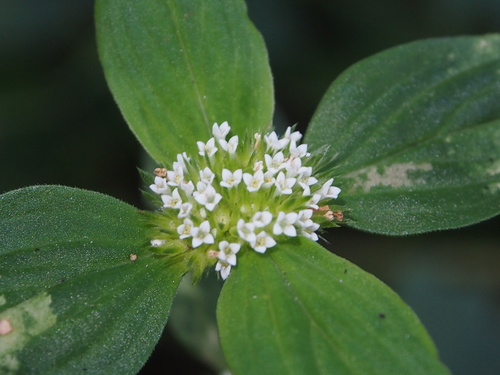
Tropical girdlepod
Mitracarpus hirtus
A methanol extract inhibited Staphylococcus aureus (MIC 31.25 µg/ml); isolated gallic acid and 3,4,5-trimethoxybenzoic acid were more potent. A diethyl ether extract inhibited staphylococci from skin infections. Test-tube work only.
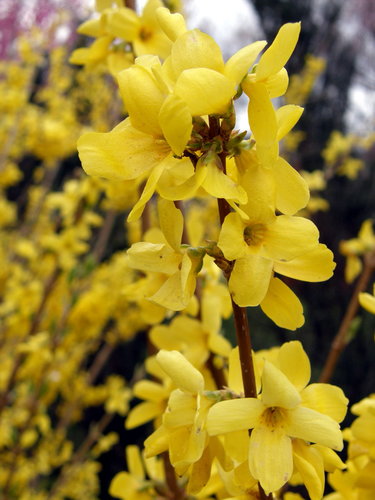
Weeping forsythia
Forsythia suspensa
Lignans and phenylethanoid glycosides from the fruit (forsythiaside, phillyrin) are antibacterial, antiviral and anti-inflammatory in laboratory and animal studies; human data are lacking.

White wormwood
Artemisia herba-alba
Its thujone-rich essential oil inhibited a range of bacteria and fungi in laboratory tests. Test-tube work only.
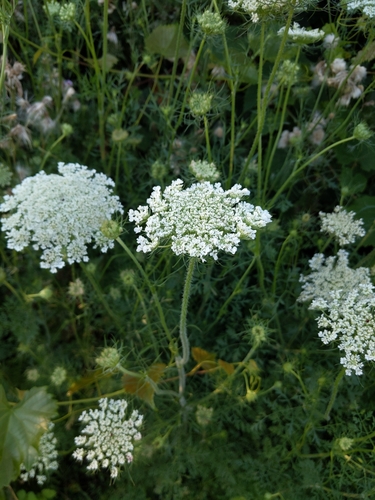
Wild carrot
Daucus carota
Luteolin and its glucosides from the seeds, and components of the essential oil, killed bacteria in the test tube.

Wild thyme
Thymus serpyllum
The essential oil inhibits a broad range of bacteria and fungi in the laboratory (MIC 0.039–0.078%), largely through thymol and carvacrol. Test-tube work only.
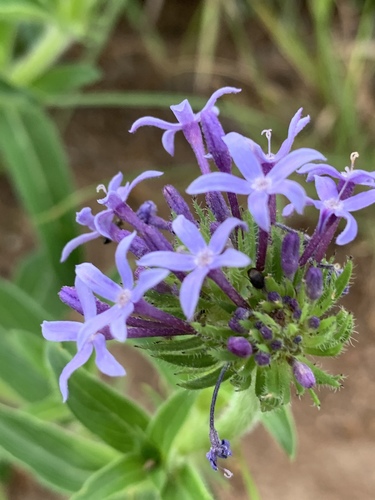
Wild verbena
Pentanisia prunelloides
Root and leaf extracts inhibited Gram-positive and Gram-negative bacteria and influenza A virus replication in the laboratory; palmitic acid was isolated as an antibacterial compound.
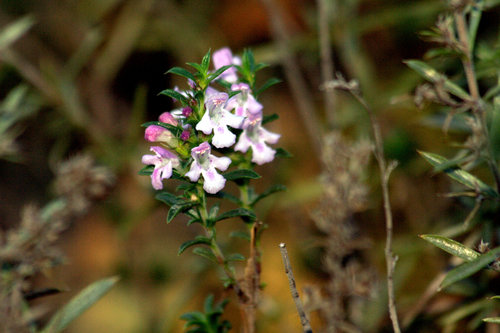
Winter savory
Satureja montana
The essential oil inhibited pathogenic E. coli isolates at very low concentrations (MIC ≤0.0195–0.156%) and was among the five most active of 98 oils against dormant Candida albicans. Laboratory work only.
Traditional use
TraditionalLong recorded use, essentially untested in clinical trials.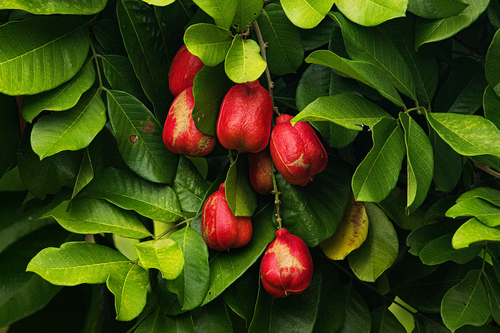
Ackee
Blighia sapida
Used for skin and bacterial infections in folk medicine; some extracts were antimicrobial in vitro.
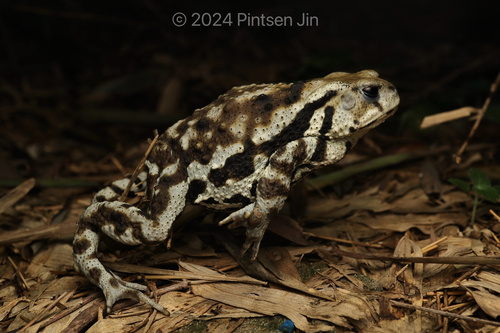
Asiatic toad
Bufo gargarizans
The venom and dried toad skin are used for abscesses and childhood sores in Chinese medicine.
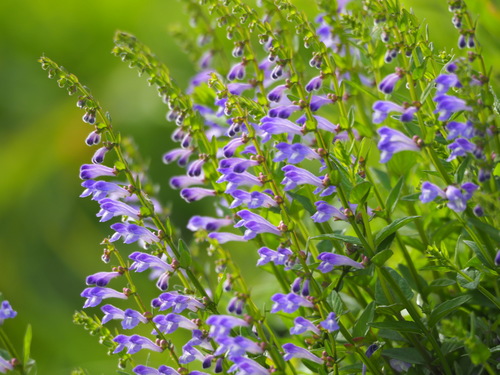
Barbed skullcap
Scutellaria barbata
Chinese medicine practitioners interviewed in Beijing and Nanjing reported using it for infection and inflammation as well as cancer; it is also used for hepatitis, appendicitis and lung abscess. No clinical trials were found for these uses.

Bitter bark
Alstonia constricta
Used by Aboriginal people in Queensland for skin infections.
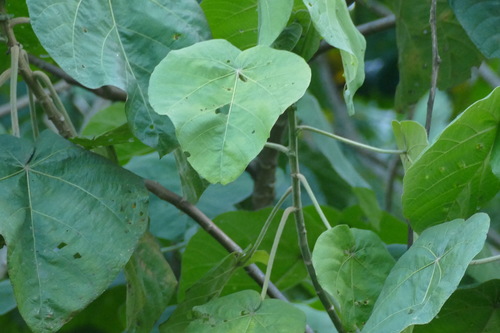
Broad-leaved croton
Croton macrostachyus
In north-east Ethiopia a cupful of powdered bark with linseed in water is drunk for gonorrhoea.
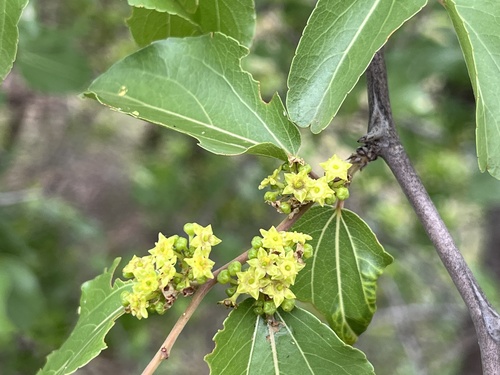
Buffalo thorn
Ziziphus mucronata
Root preparations are a traditional remedy for gonorrhoea; also used for snakebite.
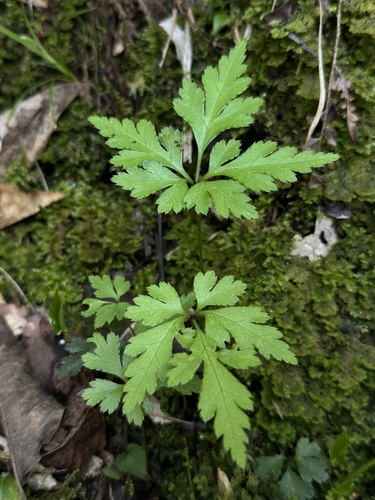
Chinese goldthread
Coptis chinensis
WHO records traditional use for gastroenteritis and boils; the rhizome and berberine inhibit staphylococci, streptococci and Vibrio cholerae in the laboratory but not E. coli or Salmonella typhi.
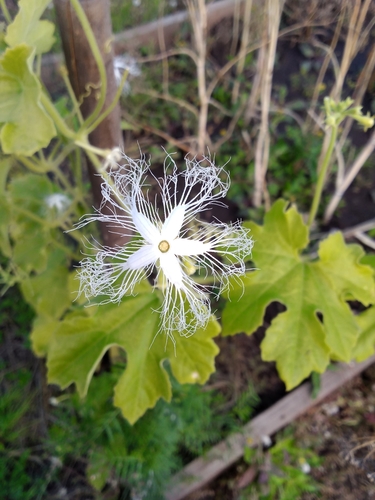
Chinese snake gourd
Trichosanthes kirilowii
Pharmacopoeias describe the root as clearing heat, reducing swelling and expelling pus, i.e. for boils and abscesses.
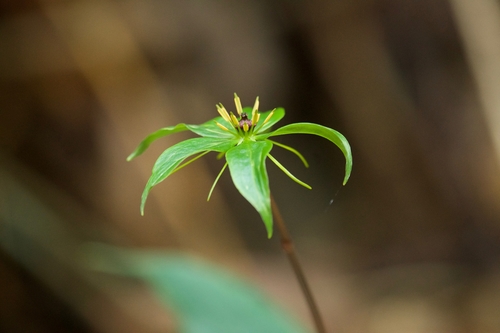
Chong lou
Paris polyphylla
Used in Chinese medicine and by Yunnan folk doctors for boils, carbuncles, abscesses and mumps ('clearing heat and detoxifying').
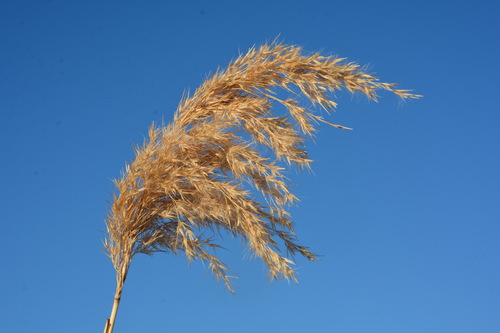
Common reed
Phragmites australis
The Seminole applied a poultice of the plant to dry up boils and carbuncles (Sturtevant 1954).
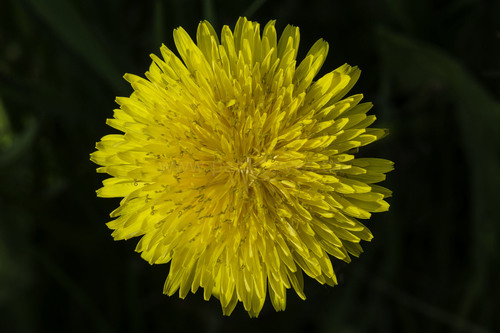
Dandelion
Taraxacum officinale
WHO records traditional use for boils, sores, sore throat, lung abscess and urinary infections, uses that correspond to the Chinese pugongying, which is chiefly the related T. mongolicum. Not clinically tested.

Florist's chrysanthemum
Chrysanthemum x morifolium
The Pharmacopoeia lists it for sores and abscess swelling. Its essential oil and extracts inhibit Staphylococcus aureus and acne bacteria in the lab at fairly high concentrations; there is no clinical evidence.
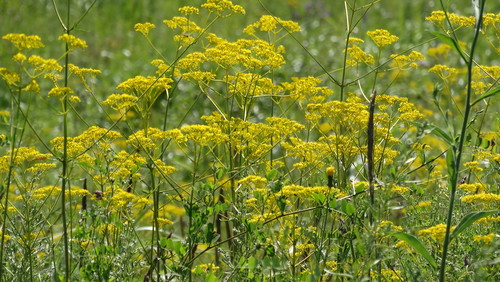
Golden lace
Patrinia scabiosifolia
Chinese tradition uses Bai jiang cao to 'eliminate carbuncle and expel pus' for intestinal abscess (appendicitis), lung abscess, boils and carbuncles; Chinese provincial standards list acute appendicitis and boils. Extracts inhibit bacteria, including methicillin-resistant Staphylococcus epidermidis, in the lab. No controlled trials were found.
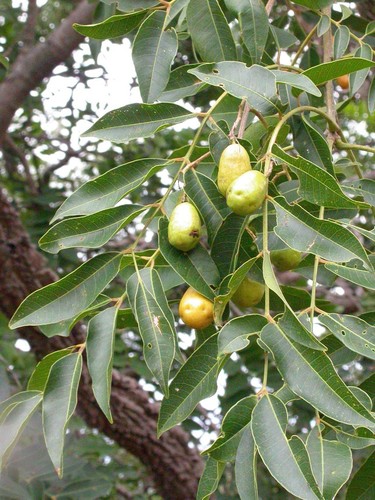
Hog plum
Spondias mombin
Frequently used for fever and gonorrhoea in African and American folk medicine.
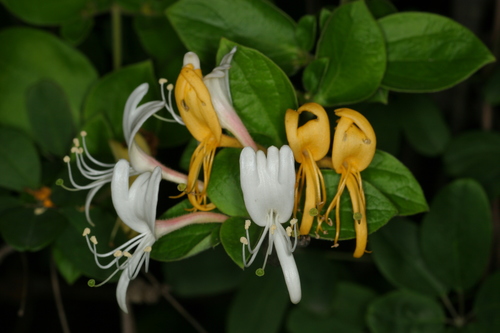
Japanese honeysuckle
Lonicera japonica
Traditionally used for sores, carbuncles, boils, breast abscess and wound infection; the extracts show antibacterial and antiviral activity in laboratory studies only.
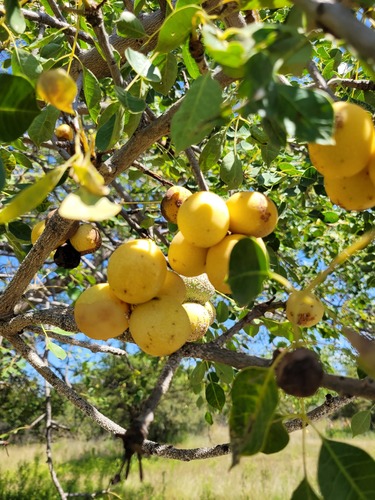
Marula
Sclerocarya birrea
Setswana healers in North West Province, South Africa, use bark and roots for sexually transmitted and vaginal infections; untested.

Noni
Morinda citrifolia
Bark, leaves and green fruit were used for bacterial and fungal infections; the extracts are antimicrobial in laboratory tests only.
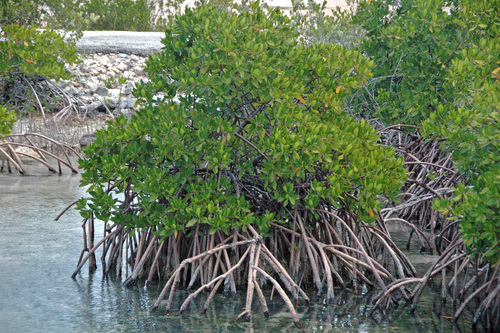
Red mangrove
Rhizophora mangle
Used in Caribbean folk medicine as an antiseptic and antifungal; the aqueous extract is antibacterial in lab tests.
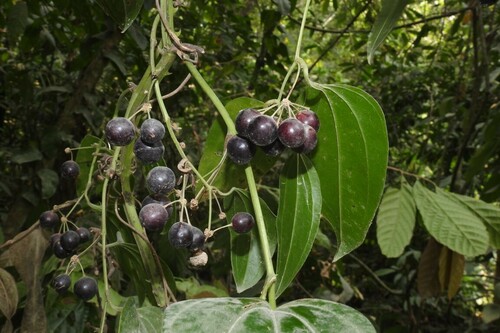
Sarsaparilla
Smilax ornata
Syphilis: the Spanish surgeon Pedro Arias de Benavides (1567) recorded Indigenous healers in Guatemala and Mexico giving sarsaparilla water, sometimes with mercury, to induce sweating, followed by sarsaparilla in wine or water for two months. No modern trial has tested it.

Senegal prickly-ash
Zanthoxylum zanthoxyloides
In Uganda the root bark is described as used extensively for malaria and other infections.
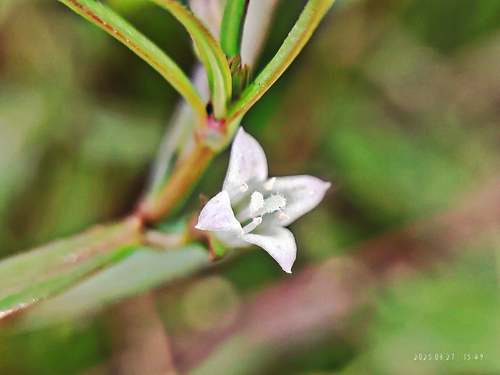
Spreading hedyotis
Scleromitrion diffusum
A heat-clearing, detoxifying herb used for inflammatory infections such as appendicitis; anti-inflammatory and antibacterial effects are shown only in laboratory studies.

Voacanga
Voacanga africana
Bark is used for microbial infections. In Cameroon, fruit extracts are used for orchitis and leaf extracts for gonorrhoea.
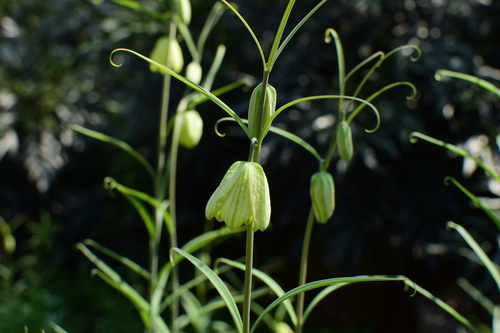
Zhejiang fritillary
Fritillaria thunbergii
Classically used to 'remove toxicity and disperse abscesses': lung abscess, furuncles, carbuncles and acute mastitis.
