Indigestion and dyspepsia
190 remedies
See a doctor if
Difficulty swallowing, vomiting blood, black stools, unexplained weight loss, or new symptoms after 55.
Reference, not prescription. Nothing here is medical advice. Herbs can interact with medicines and be dangerous in pregnancy; tell your doctor or pharmacist about anything you take.
Moderate evidence
ModerateSeveral trials, mostly positive, or an EMA ‘well-established use’ monograph.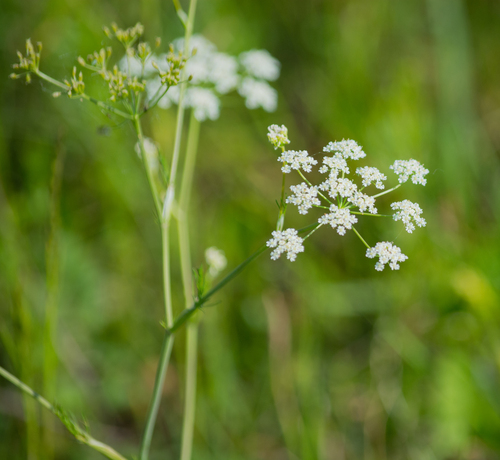
Limited evidence
LimitedSmall or few trials, mixed results, or mainly lab and animal work.
Artichoke
Cynara cardunculus
EMA accepts traditional use for dyspepsia with fullness, bloating and flatulence. In a double-blind trial of 247 people with functional dyspepsia, an artichoke leaf extract (640 mg three times daily for 6 weeks) improved symptoms and quality of life more than placebo. EMA still judged the clinical data insufficient for well-established use.

Asafoetida
Ferula assa-foetida
In one randomised, placebo-controlled trial of 62 people with functional dyspepsia, 250 mg a day of a resin formulation for 14 days reduced early satiety, bloating and heartburn. The trial was run by the product's manufacturer and has not been replicated.

Cascarilla
Croton eluteria
King's American Dispensatory (1898) used it for dyspepsia. In mice, cascarilla extract and its main bitter compound cascarillin significantly increased histamine-induced stomach-acid secretion, which the authors call a first rationale for its use in digestive bitters. No human studies were found.
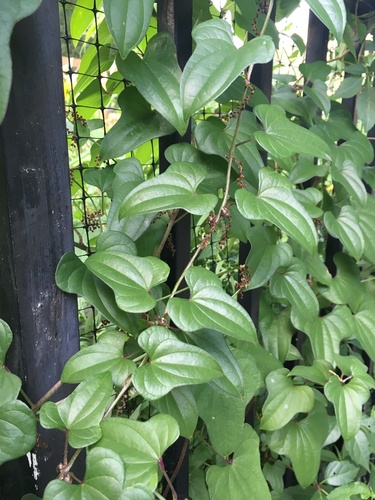
Chinese yam
Dioscorea polystachya
Eaten in East Asia as a medicinal food for digestive health. A 2025 systematic review found only two human studies (one randomised) and 25 animal studies, mostly favourable but small and heterogeneous.
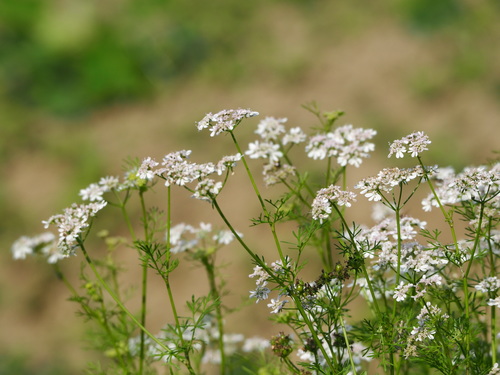
Coriander
Coriandrum sativum
In a double-blind trial in 90 Iranian patients with functional dyspepsia, a capsule combining coriander with Bunium persicum (500 mg twice daily for 4 weeks) improved symptoms and quality of life more than placebo, without serious side effects. Coriander alone has not been tested. The seeds are a traditional digestive in Turkey, India and Iran.
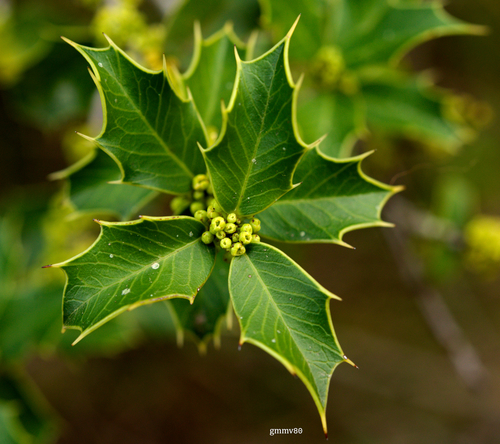
Espinheira-santa
Monteverdia ilicifolia
Infusions and decoctions of the dried leaves are used in Brazil mainly for gastrointestinal complaints. An earlier small 28-day placebo-controlled trial (cited in the 2024 trial report) found 400 mg superior to placebo for dyspeptic symptoms.

Fingerroot
Boesenbergia rotunda
Traditionally used for dyspepsia and stomach ache. In one double-blind trial, 160 people with functional dyspepsia took 350 mg fingerroot extract or placebo three times daily for 4 weeks; overall symptom scores fell more with the extract (-7.1 vs -3.7). It is a single trial.

Galbanum
Ferula gummosa
Used in Iran for dyspepsia, wind and intestinal spasm, and as an appetiser. The essential oil, several extracts, and its α- and β-pinene all relaxed contractions of isolated rat ileum. Lab work only.
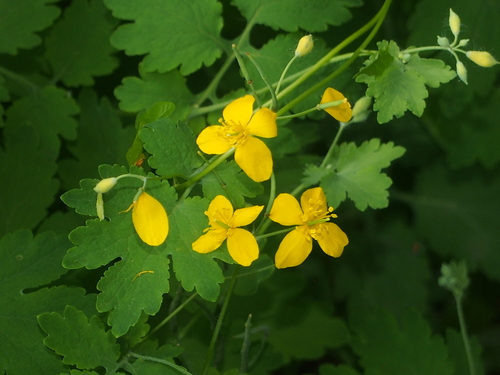
Greater celandine
Chelidonium majus
Small trials of standardised extracts in functional upper-abdominal complaints were positive (in one placebo-controlled trial of 60 patients, 18/30 improved on extract vs 8/30 on placebo), but the EMA judged the evidence too thin for well-established use and, because of liver injury reports, the benefit-risk of oral use negative.
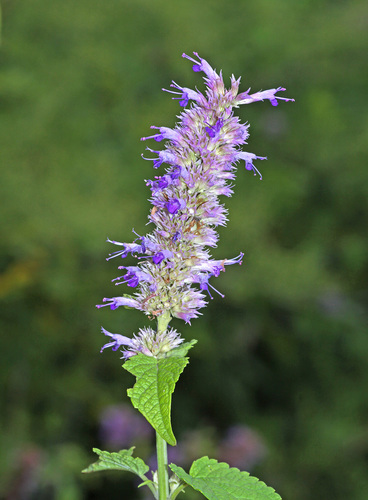
Korean mint
Agastache rugosa
An edible and medicinal herb often used for gastrointestinal motility disorders; nine constituents linked to gut-motility effects were identified and some tested in zebrafish. It was historically used for cholera and other gastrointestinal complaints.
Mandarin orange
Citrus reticulata
Chen pi is used to strengthen the spleen and regulate qi, for abdominal distension and poor appetite. A Chinese randomised trial (Li et al. 2011, reported in a 2026 review) found 20-year-aged Xinhui peel relieved functional dyspepsia symptoms, but the study is reported only as response rates and has not been independently assessed.
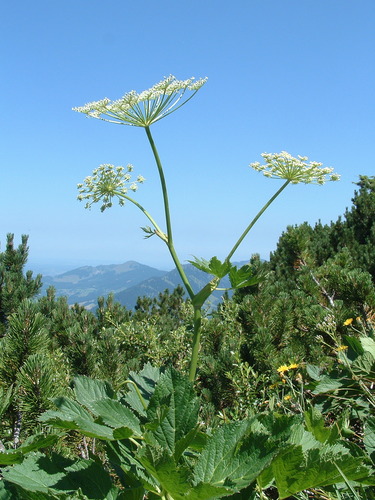
Masterwort
Peucedanum ostruthium
Traditionally a stomachic, and the 'acrid bitter' in Weleda's nine-herb Amara Drops for disordered digestive secretion and motility. In the lab, masterwort extract blocked muscarinic M2 receptors and relaxed guinea-pig stomach muscle; no clinical trial of masterwort alone was found.
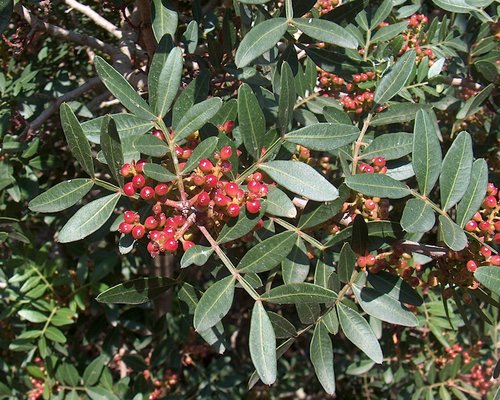
Mastic tree
Pistacia lentiscus
EMA traditional use for mild dyspeptic disorders. In a double-blind trial of 148 people with functional dyspepsia, 350 mg mastic three times daily for 3 weeks lowered symptom scores more than placebo (77% vs 40% reported improvement). The EMA judged the trials, about 300 people in total, too small and flawed for well-established use.

Papaya
Carica papaya
One small double-blind trial of a fermented papaya preparation (Caricol, 20 ml daily for 40 days) reported less constipation and bloating, with effects gone after washout.
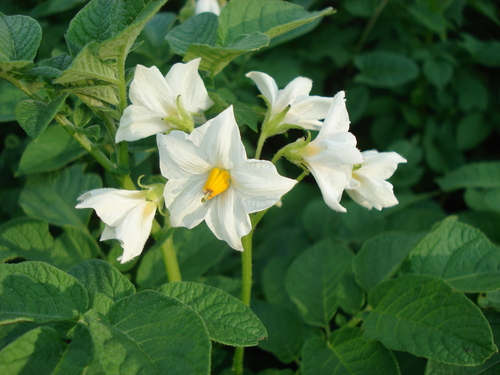
Potato
Solanum tuberosum
In an open pilot study, 44 people with dyspepsia drank at least 100 ml of fresh potato juice twice daily for a week; symptom and quality-of-life scores improved by around 40–50%, but there was no placebo group and the authors called for controlled trials.
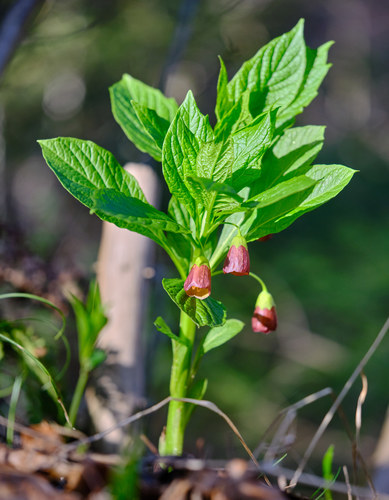
Scopolia
Scopolia carniolica
Scopolia extract, containing hyoscyamine and scopolamine, is used in East Asian patent medicines for gastrointestinal disorders and spasmodic discomfort. Its action rests on these established anticholinergic alkaloids; no trials of the extract itself were found, so the plausibility rests on the alkaloids' known pharmacology rather than on tests of the plant.

Sha ren
Wurfbainia villosa
A 2024 meta-analysis of 23 Chinese randomised trials (2,101 people) found Xiangsha Liujunzi decoction, an eight-herb formula containing sha ren, more effective than controls for functional dyspepsia (RR 1.27), but the trials were of low quality and the fruit's own contribution is unknown.
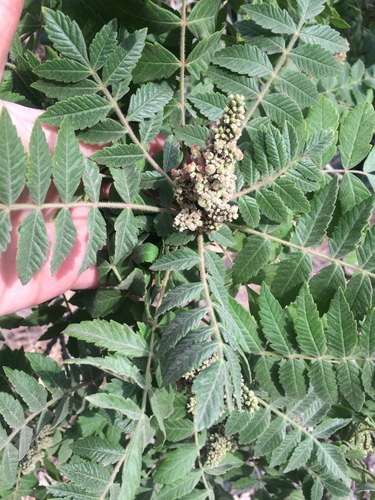
Sumac
Rhus coriaria
In an open-label trial of 104 people with functional dyspepsia, an aqueous sumac extract for eight weeks eased symptoms about as well as omeprazole, with fewer relapses after treatment stopped. Persian medicine texts describe sumac as strengthening the stomach and digestion.
Traditional use
TraditionalLong recorded use, essentially untested in clinical trials.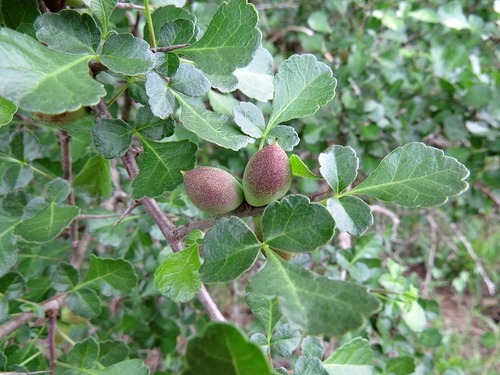
African myrrh
Commiphora africana
In Sudan the resin is used for flatulence, colic and digestive upsets. In Kenya the boiled roots are taken for abdominal pain, and in Mauritania the leaves are taken for abdominal pain and heartburn.
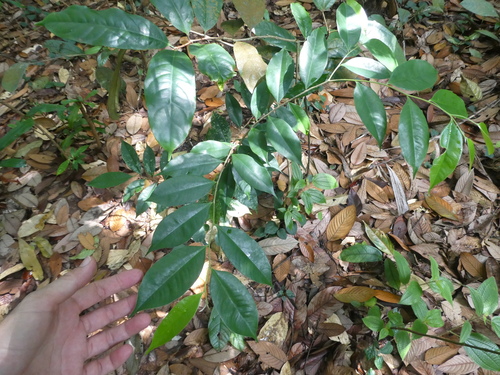
Agarwood
Aquilaria malaccensis
In Traditional Chinese Medicine agarwood is a 'precious carminative and qi-regulating herb' prescribed for gastrointestinal distress.
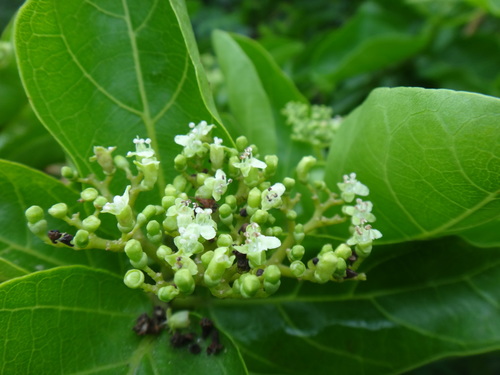
Agnimantha
Premna serratifolia
The root is described as carminative, digestive and stomachic, used for dyspepsia, flatulence, constipation and anorexia; a leaf decoction is given for flatulence.

Ajwain
Trachyspermum ammi
Persian sources (Aghili-Shirazi) describe the seeds for digestive discomfort, nausea, vomiting, stomach cramps, loss of appetite and liver and spleen disorders.
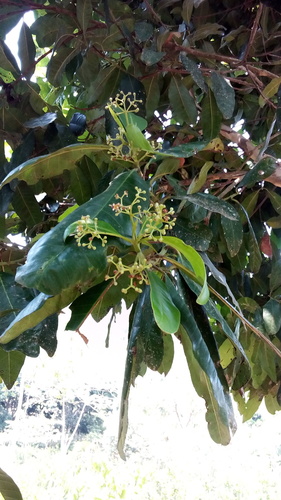
Allspice
Pimenta dioica
Jamaicans drink hot allspice tea for dyspepsia; Costa Ricans use it for dyspepsia and Cuban medicine includes it in herbal mixtures for indigestion. Eugenol, its main aromatic, is suggested to stimulate digestive enzymes, but this has not been tested clinically.
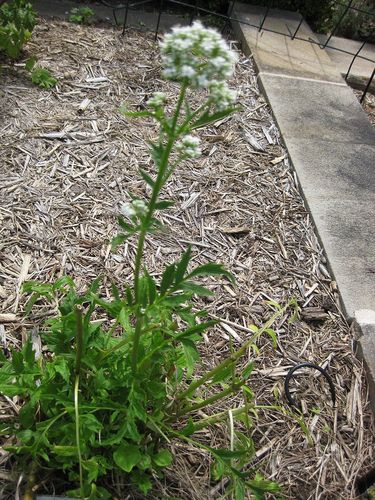
Anise
Pimpinella anisum
EMA recognises traditional use of the tea and the oil for mild, spasmodic digestive complaints. WHO lists dyspepsia among uses in pharmacopoeias and the German Commission E, but found no clinical data.

Areca nut
Areca catechu
Chinese medicine uses it to promote digestion in prescriptions such as Binglang Sixiao Wan and Muxiang Binglang Wan, and chewers say it helps digestion. There are no clinical trials supporting this, and chewing is linked to type 2 diabetes and metabolic syndrome.
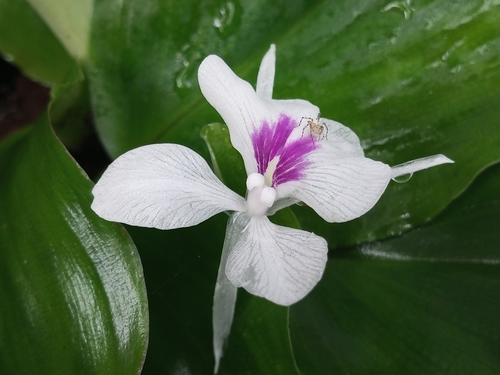
Aromatic ginger
Kaempferia galanga
The Chinese Pharmacopoeia describes it as a warm, pungent aromatic stomachic that 'activates qi, warms the interior, removes food stagnation and relieves pain'; in Thailand the rhizome extract is used for indigestion and colds.
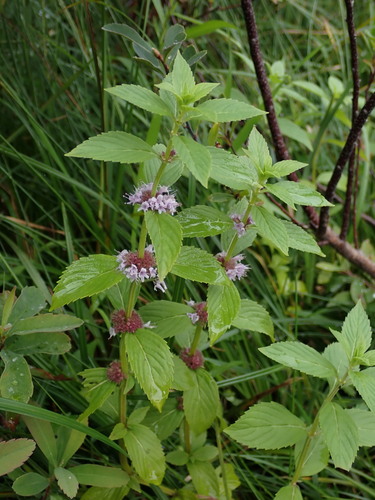
Asian mint
Mentha canadensis
Used for indigestion in Japan and Korea, as noted in their pharmacopoeias; Bella Coola, Carrier and Cree decoctions were taken for stomach pain.

Atis
Aconitum heterophyllum
Used for dyspepsia, abdominal pain, flatulence, vomiting and loss of appetite after illness.
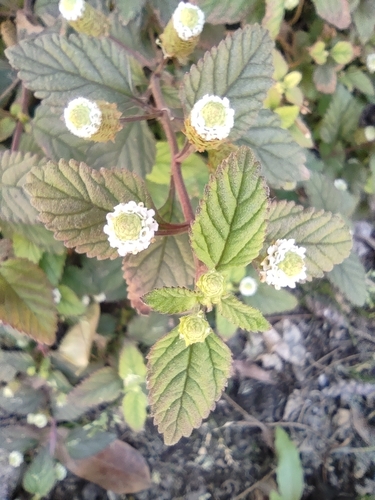
Aztec sweet herb
Lippia dulcis
Decoctions or infusions are used for indigestion, diarrhoea and dysentery; in southern Ecuador, where it is called buscapina, it is widely used for colic and spasms.

Barberry
Berberis vulgaris
The British Herbal Pharmacopoeia, cited by WHO, lists the bark for dyspepsia, gastritis, distension and flatulence. WHO notes no clinical trial of the bark has ever been done.
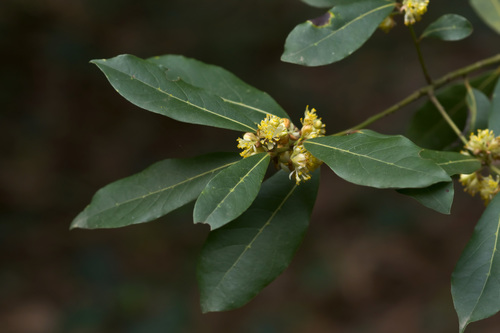
Bay laurel
Laurus nobilis
A leaf infusion is a folk remedy for digestive problems in the Basque Country of Spain and elsewhere around the Mediterranean.
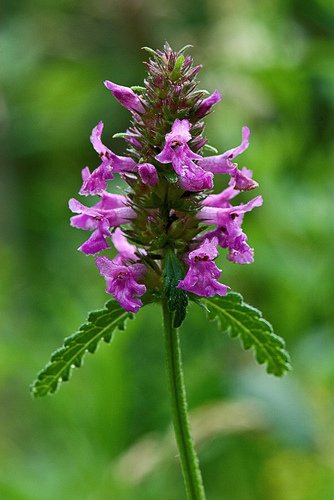
Betony
Betonica officinalis
In Austrian folk medicine the herb is taken as tea for the gastrointestinal tract; extracts showed strong anti-inflammatory activity in several in vitro assays.
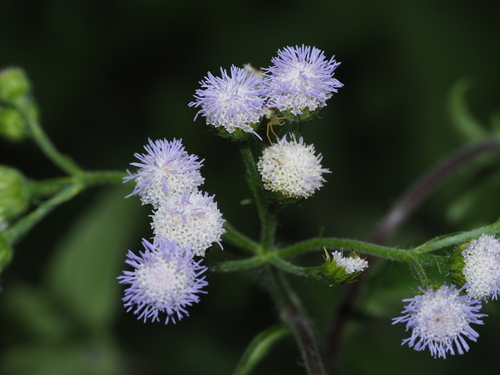
Billygoat weed
Ageratum conyzoides
Used in Tanzania for stomach-ache, peptic ulcer and constipation; spasmolytic effects are reported only from laboratory work.
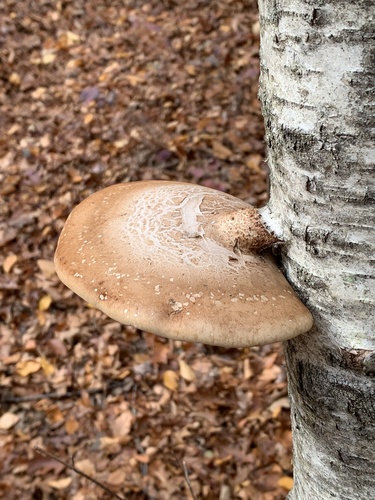
Birch polypore
Fomitopsis betulina
Tea from the bracket was used in Russia, the Baltic states, Hungary and Romania for stomach complaints, calm and fatigue; in the Czech Republic it was used for stomach ailments.

Bitter kola
Garcinia kola
Stomach upset and colic are among the main recorded uses of the seeds in Nigeria; no trials.

Black cardamom
Amomum subulatum
Used by Ayurvedic and Unani practitioners for indigestion and gastrointestinal disorders; the seeds are used as appetisers.
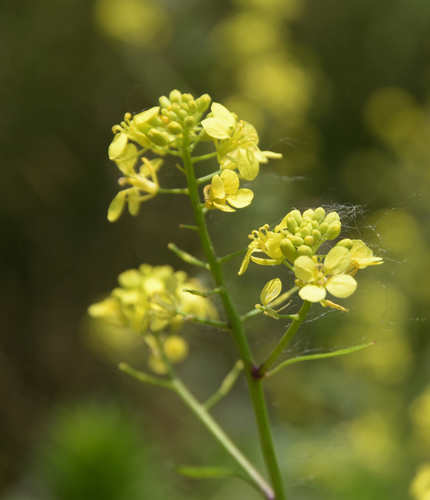
Black mustard
Brassica nigra
Seeds are credited with stimulant and stomachic properties and have been used as a digestive and appetite stimulant; in warm water they act as an emetic.
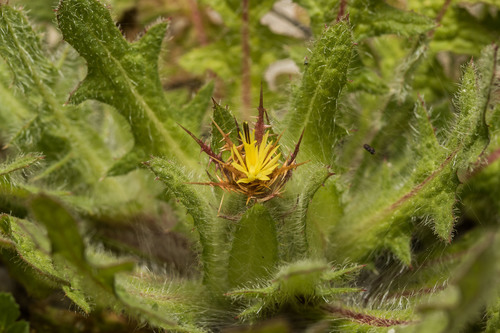
Blessed thistle
Centaurea benedicta
EMA traditional use for symptomatic relief of dyspepsia and mild gastrointestinal spasms; handbooks list flatulent dyspepsia.

Blue water lily
Nymphaea nouchali
Seeds are used as a stomachic and restorative; Bangladeshi reports include indigestion.
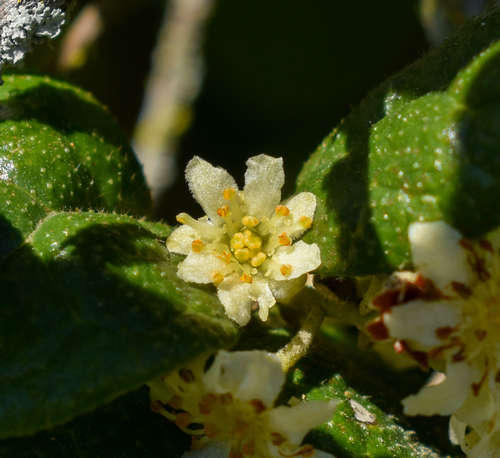
Boldo
Peumus boldus
EU traditional-use indication: symptomatic relief of dyspepsia and mild spasmodic disorders of the gastrointestinal tract, based only on long-standing use. The EMA assessment found no clinical studies of single-herb boldo products.
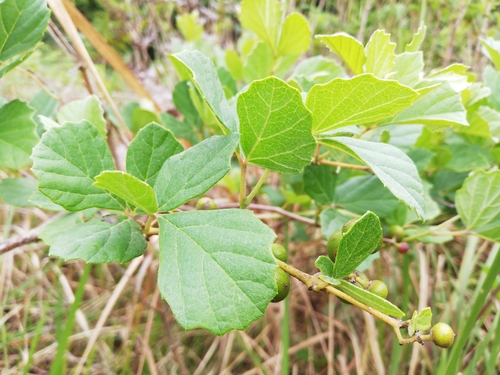
Bushman's grape
Rhoicissus tridentata
Used for stomach ailments, heartburn, peptic ulcers and diarrhoea, and as an antiemetic for children.

Cacao
Theobroma cacao
Historical sources also used chocolate to stimulate digestion and bowel function, and as a vehicle to mask bitter medicines.
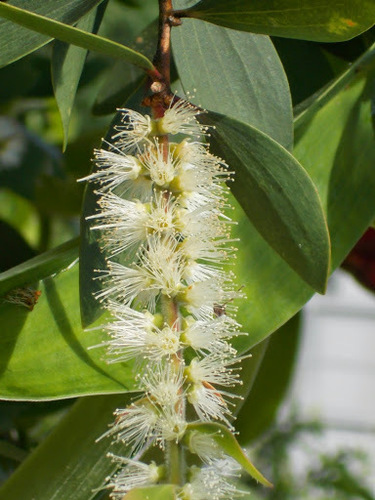
Cajuput
Melaleuca cajuputi
Traditionally used in Indonesia and south-east Asia for stomach aches.
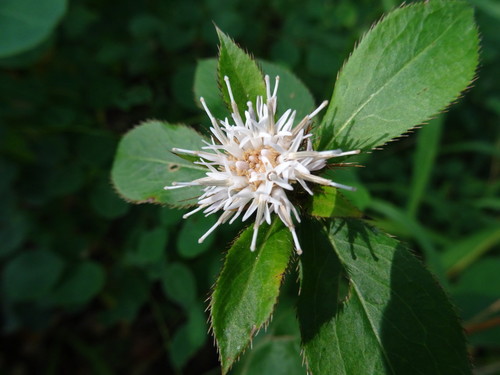
Cang zhu
Atractylodes lancea
In Chinese medicine it 'strengthens the spleen and dries dampness', treating digestive discomfort from 'dampness obstructing the middle'; the Japanese and Korean pharmacopoeias list it as a gastroprotective. In animals the extract and β-eudesmol sped gastric emptying; no good human trials of the single herb.
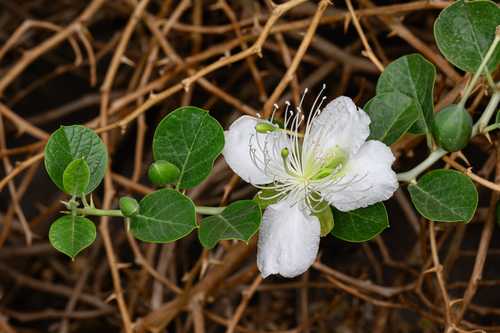
Caper
Capparis spinosa
Flower buds, fruit and root are used for gastrointestinal disorders and stomach ailments.
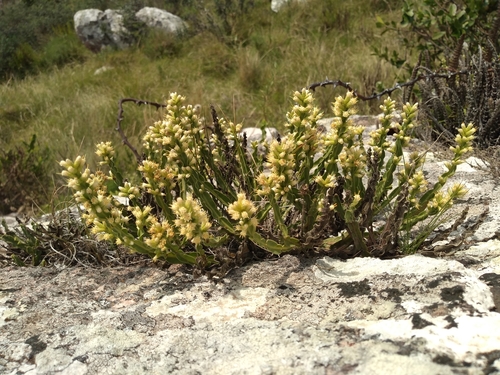
Carqueja
Baccharis crispa
Teas of the aerial parts are used in folk medicine for gastrointestinal diseases; a review lists gastric-protective activity among effects seen in laboratory studies, but no human trials were found.

Cedar of Lebanon
Cedrus libani
The resin is taken internally for stomach ache in Turkish folk medicine. Not tested; essential oils and tar are not safe to swallow in quantity.
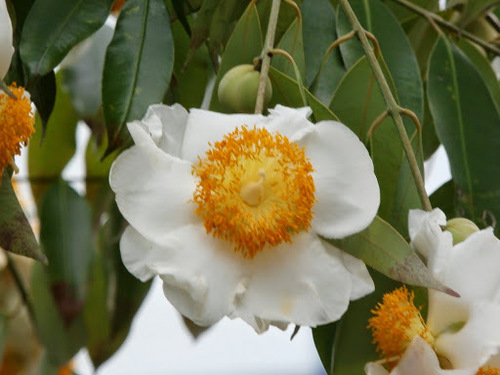
Ceylon ironwood
Mesua ferrea
Used for dyspepsia and nausea and described as carminative.
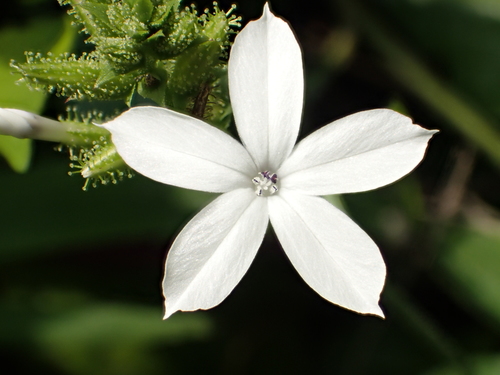
Ceylon leadwort
Plumbago zeylanica
An ingredient of Ayurvedic formulations for dyspepsia and loss of appetite (anorexia); not tested clinically.

Chaya
Cnidoscolus chayamansa
Used traditionally for gastrointestinal problems.
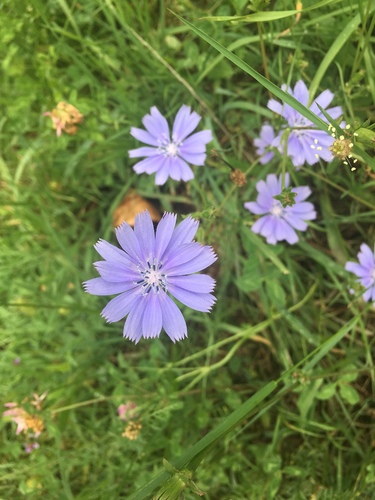
Chicory
Cichorium intybus
EMA traditional-use indication: relief of mild digestive disorders such as a feeling of fullness, flatulence and slow digestion, based on long use. The assessors judged it plausible because the root's sesquiterpene lactones are bitter and a water extract of roasted root increased bile flow in rats; there are no efficacy trials.
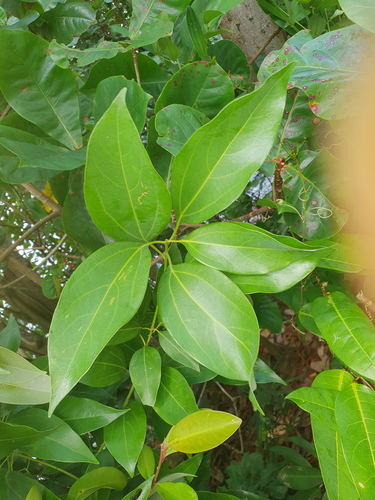
Chinese cassia
Cinnamomum cassia
WHO records pharmacopoeial and traditional use of cinnamon bark (C. verum and C. cassia) for dyspepsia, including mild spasm of the gut, fullness and flatulence; it lists no use as supported by clinical data. The essential oil relaxes gut smooth muscle in animal tests.
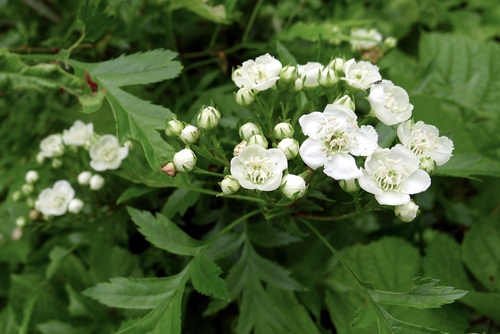
Chinese hawthorn
Crataegus pinnatifida
The classic TCM use, for indigestion and 'stagnation of meat'. The fruit's organic acids increased gut motility in mice and its enzymes are proposed to aid digestion of fatty food; no controlled trials of the fruit alone.
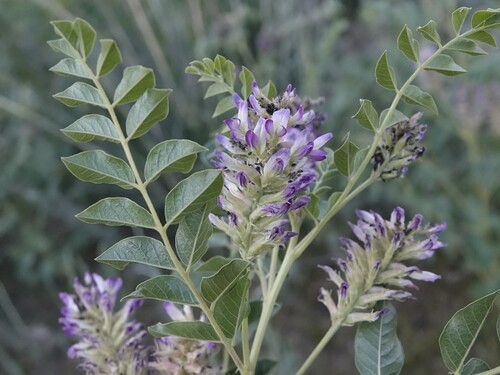
Chinese licorice
Glycyrrhiza uralensis
The EU monograph (revised 2026), which covers G. uralensis together with G. glabra and G. inflata, registers liquorice root as a traditional remedy for digestive symptoms including burning sensation and dyspepsia, on the basis of long use only. NCCIH finds it unclear whether liquorice-only products help digestive symptoms.
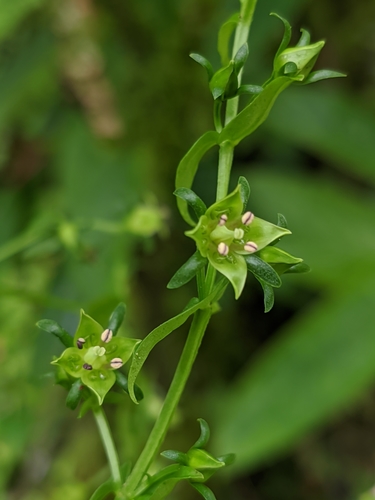
Chiretta
Swertia chirayita
Used as a bitter for dyspepsia, gastritis, constipation and diarrhoea, and to promote bile secretion.
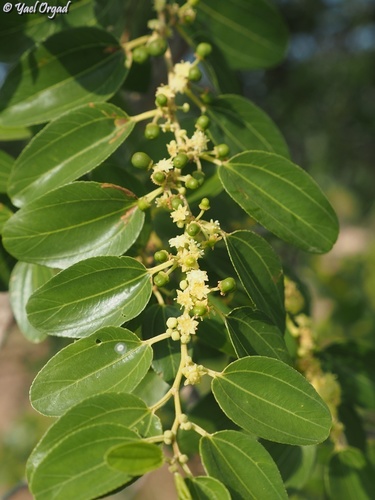
Christ's thorn jujube
Ziziphus spina-christi
Decoctions of seeds, leaves or fruit are drunk for stomach aches, constipation and heartburn, recorded from ancient Egypt to present-day Arab communities.
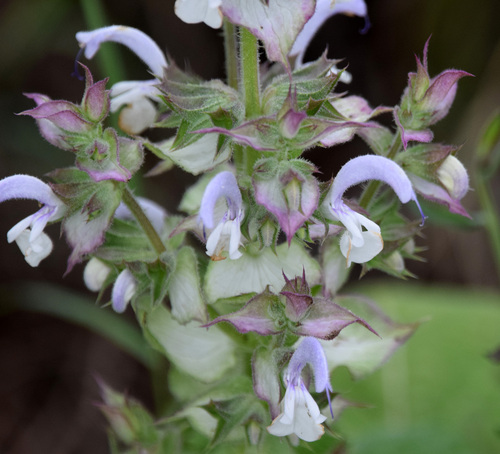
Clary sage
Salvia sclarea
In a 2026 ethnobotanical survey in the Edough Massif of north-eastern Algeria, digestive disorders were the most often cited use, treated with a decoction of the leaves. No clinical testing was found.
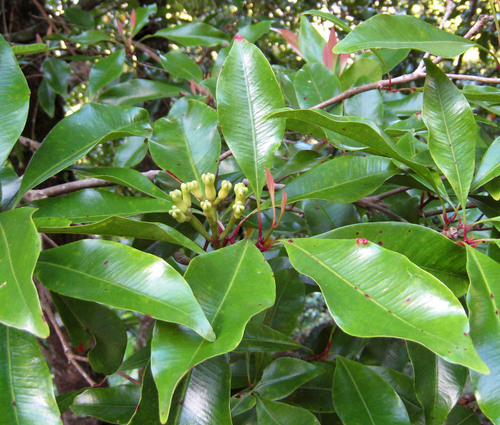
Clove
Syzygium aromaticum
WHO lists dyspepsia among folk uses that are not supported by experimental or clinical data.
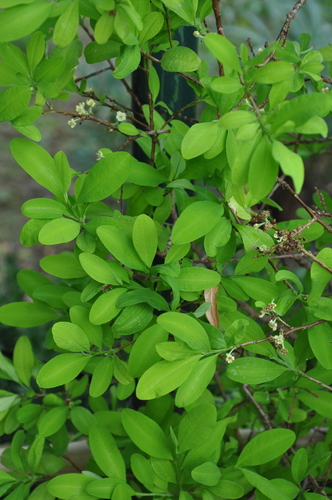
Coca
Erythroxylum coca
Coca tea (mate de coca) is drunk in the Andes for stomach complaints; no clinical trials.

Colombian coca
Erythroxylum novogranatense
Andean medicine uses coca for digestive complaints, including stomach ulcers, spasms, pain, nausea and diarrhoea; untested in trials.
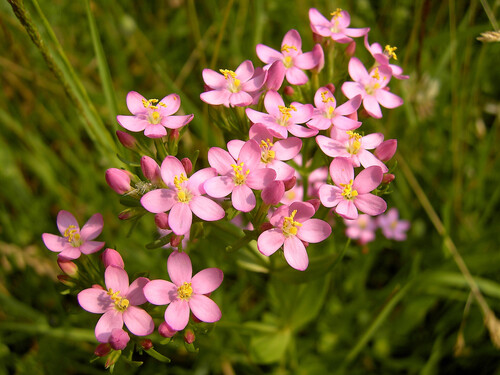
Common centaury
Centaurium erythraea
EMA traditional-use indication for mild dyspeptic and gastrointestinal disorders, based on long-standing use; the EMA assessment found no clinical studies.
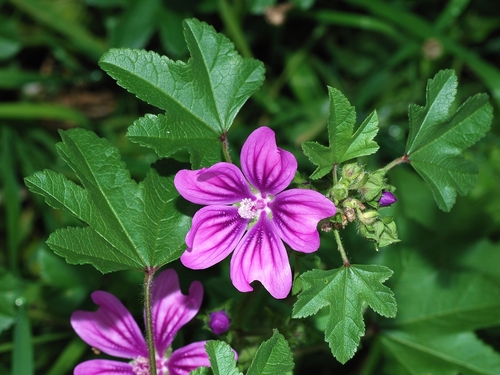
Common mallow
Malva sylvestris
EMA traditional-use indication as a demulcent for mild gastrointestinal discomfort.
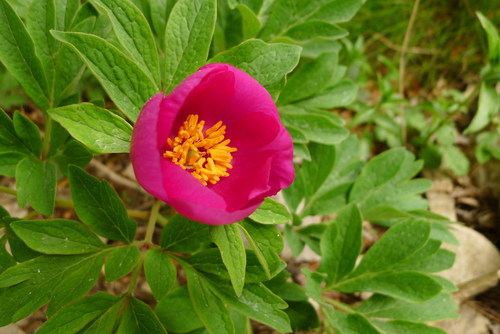
Common peony
Paeonia officinalis
Folk medicine in Spain, France, Italy and the Balkans used it for digestive complaints, as an antispasmodic. No clinical testing was found.
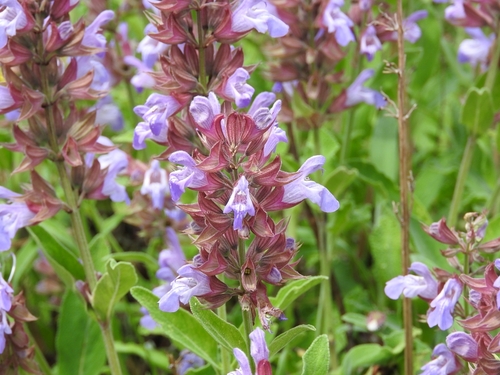
Common sage
Salvia officinalis
EMA traditional use for mild dyspeptic complaints such as heartburn and bloating.
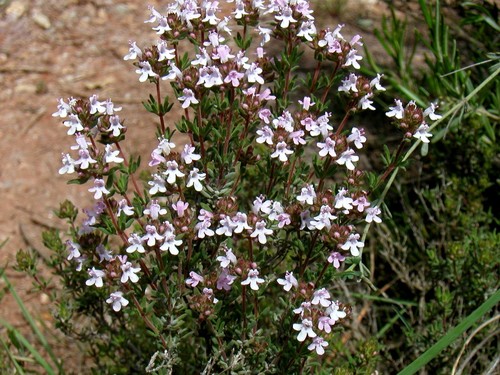
Common thyme
Thymus vulgaris
Listed in phytotherapy handbooks as a further traditional use for digestive complaints; not assessed in trials.
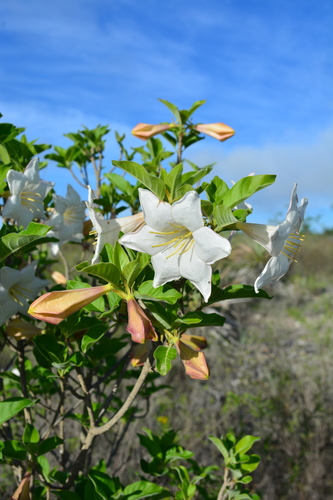
Copalchi
Hintonia latiflora
Widely used in Mexico for gastrointestinal disorders, alongside its use for diabetes.
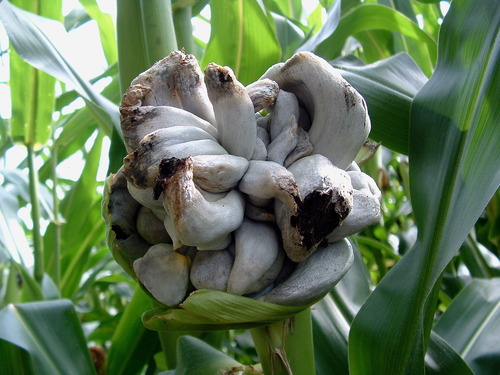
Corn smut
Ustilago maydis
Mexican traditional medicine uses it for indigestion, colic and intestinal inflammation.

Costus
Dolomiaea costus
Used in Chinese medicine to promote gut movement and in Unani medicine as a carminative. Compound formulas containing costus (e.g. Weichang'an Pill) have been used for functional dyspepsia, but those results cannot be credited to costus alone.

Cramp bark
Viburnum opulus
The Ojibwa drank an infusion of the inner bark for stomach cramps and as a purgative; Turkish folk medicine uses the fruit for stomach complaints and ulcers.
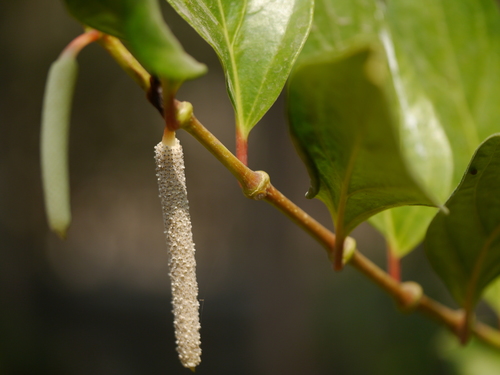
Cubeb
Piper cubeba
The fruit is used as powder, decoction or oil as a stomach tonic and for abdominal pain; no clinical studies.
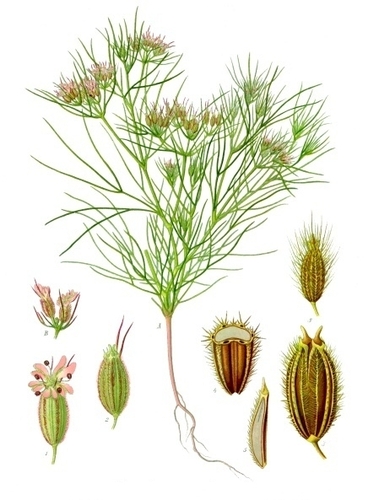
Cumin
Cuminum cyminum
Ayurveda, Siddha and Unani treat the seed as carminative and eupeptic for dyspepsia, flatulence, colic and diarrhoea; tested only indirectly in the small trials above.
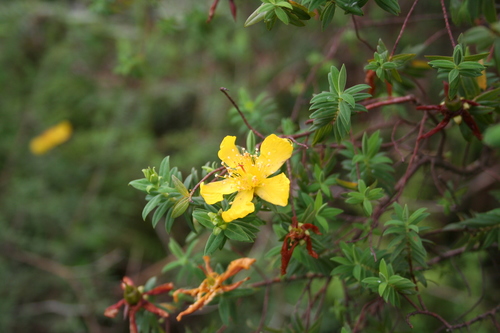
Curry bush
Hypericum revolutum
Traditionally used for stomach-ache and gastrointestinal complaints in Ethiopia and southern Africa.
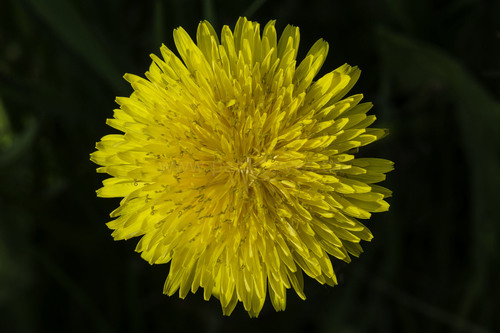
Dandelion
Taraxacum officinale
EMA traditional use for relief of mild digestive disorders such as abdominal fullness, flatulence and slow digestion. NCCIH finds no compelling evidence for any condition.
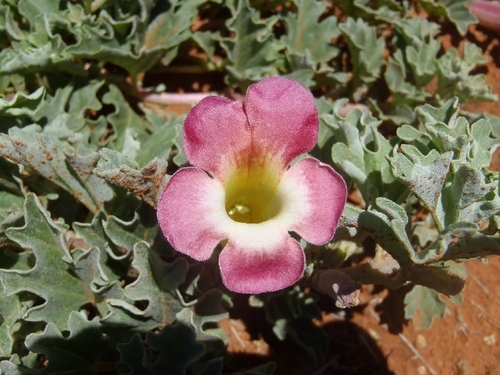
Devil's claw
Harpagophytum procumbens
EMA traditional use for mild digestive disorders such as bloating and flatulence; recorded Namibian uses are mainly digestive.

Devil's club
Oplopanax horridus
Infusions of the crushed stems for indigestion and stomach troubles (Thompson, Okanagon) and inner bark for stomach and bowel cramps and stomach ulcers (Carrier, Gitksan).
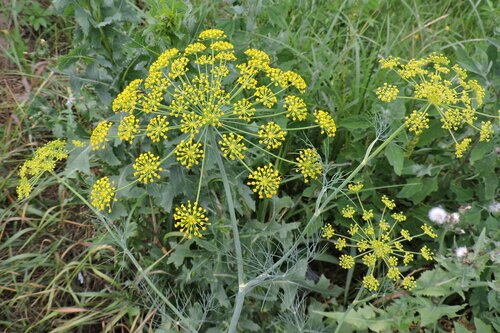
Dill
Anethum graveolens
WHO lists dyspepsia, gastritis, flatulence and stomach ache as uses described in pharmacopoeias and well-established documents (including the German Commission E), with no supporting clinical data. The fruit extract and oil relaxed gut muscle in animal-tissue tests.

Dwarf rhododendron
Rhododendron anthopogon
In the Manang, Dolpa and Mustang regions of Nepal the leaves are used as digestives and for stomach and liver complaints, and the flower tea for indigestion.
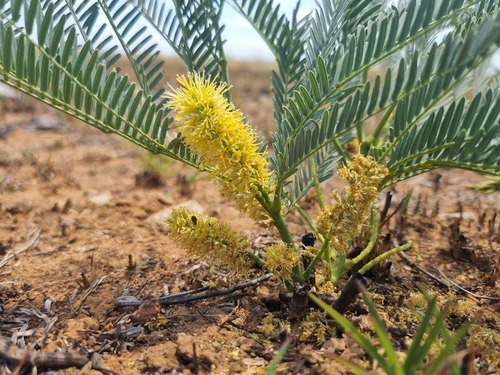
Elephant's root
Elephantorrhiza elephantina
An ingredient of the South African 'Sejeso' herbal mixture, sold for heartburn, indigestion, constipation, loss of appetite and vomiting. Root decoctions are used for abdominal pain in Lesotho and Zimbabwe and for peptic ulcers in South Africa.
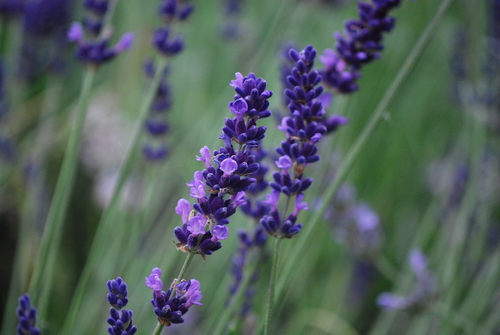
English lavender
Lavandula angustifolia
Commission E approved lavender flower for nervous stomach complaints and bloating (meteorism), as cited in the EMA assessment report.
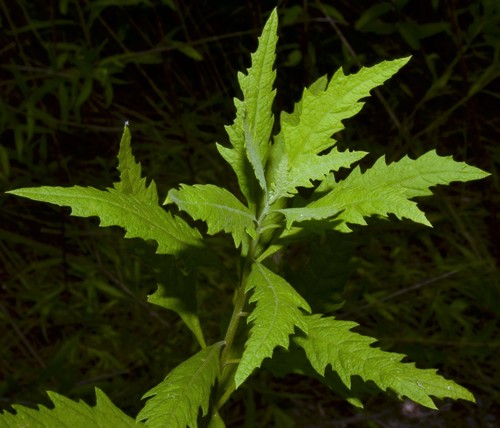
Epazote
Dysphania ambrosioides
Infusions and decoctions are used in Moroccan and Mediterranean folk medicine for gastrointestinal disorders and dysentery; a flower extract relaxed rat and rabbit gut muscle in lab tests. No clinical trials.
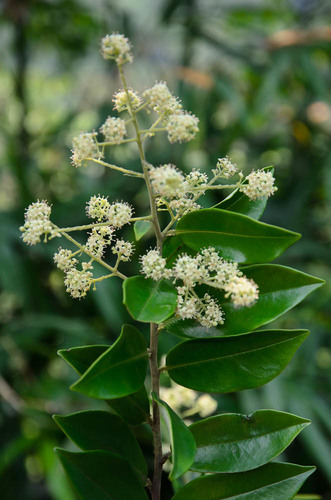
False black pepper
Embelia ribes
In Ayurvedic tradition the powdered fruit is used for indigestion, bloating, vomiting, gastritis and constipation.
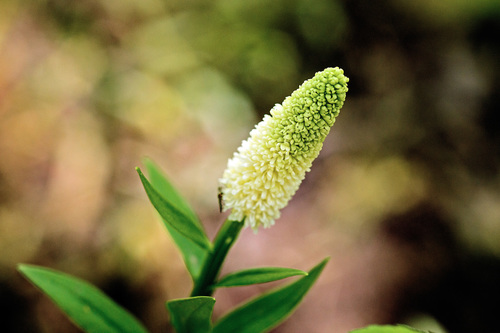
False unicorn root
Chamaelirium luteum
Powdered root was given for dyspepsia and poor appetite, especially when thought to be linked to uterine problems; King's later says the related Aletris suits digestive disorders better.
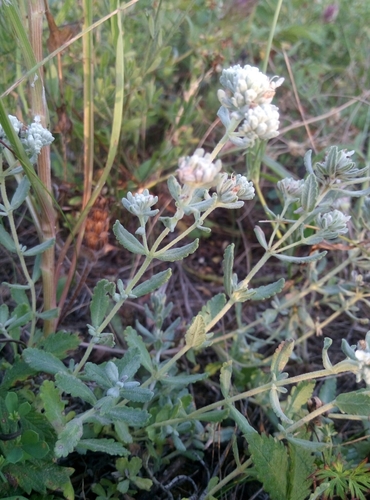
Felty germander
Teucrium polium
Tea and powder are used for gastrointestinal complaints in Middle Eastern and Turkish folk medicine; no trials were found.
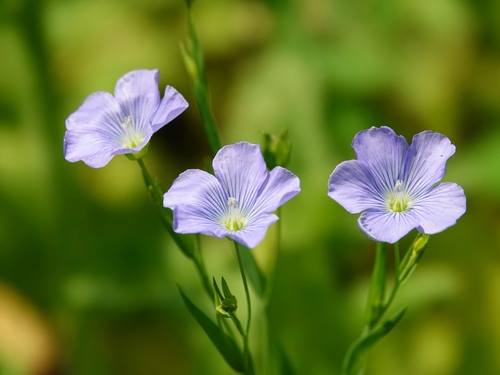
Flax (Linseed)
Linum usitatissimum
EMA traditional use: a soaked mucilage preparation as a demulcent for mild gastrointestinal discomfort. Commission E also listed gastritis and irritable bowel.

Frankincense
Boswellia sacra
In Oman the gum is chewed or its water extract drunk to aid digestion and for stomach problems. There are no clinical trials of this species.
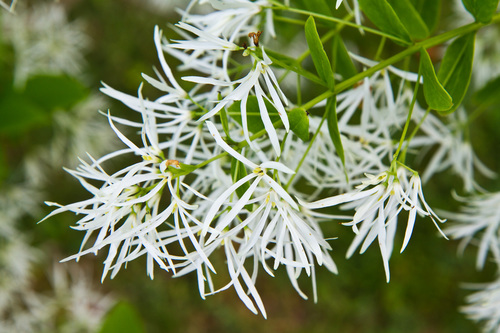
Fringe tree
Chionanthus virginicus
King's lists it for dyspepsia with liver complications, for stomach irritation from 'high living' and alcohol, and for infantile dyspepsia.
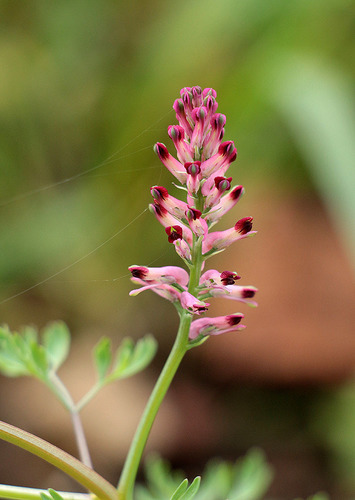
Fumitory
Fumaria officinalis
EMA traditional-use indication: relief of digestive disturbances such as feelings of fullness, slow digestion and flatulence, based on long-standing use. Older uncontrolled French and German studies in about 700 patients with biliary complaints reported good tolerability but no rigorous efficacy data.
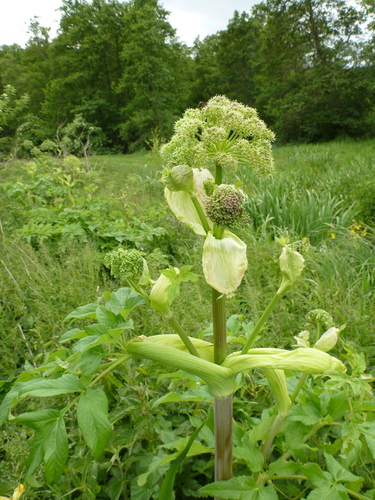
Garden angelica
Angelica archangelica
In Austrian folk medicine the root is taken as a tea or tincture for complaints of the gastrointestinal tract; it is one of the mono-herbal bitter remedies prescribed in a Swiss integrative hospital, where bitters are mainly indicated for nausea, digestive complaints and loss of appetite. No clinical trials for digestion were found.

German chamomile
Matricaria chamomilla
EMA recognises traditional use for minor gastrointestinal complaints such as bloating and minor spasms, on the strength of long use rather than trials.
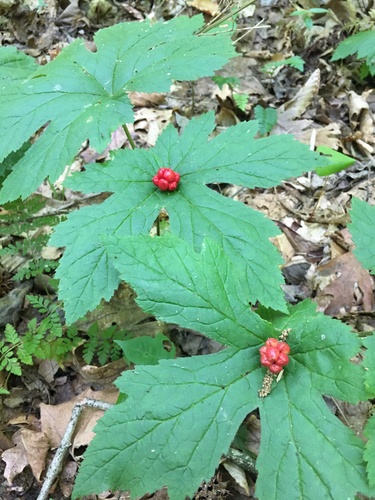
Goldenseal
Hydrastis canadensis
Used traditionally for digestive disorders and ulcers; no clinical trials of goldenseal itself.

Grains of paradise
Aframomum melegueta
Used in West Africa as a remedy for stomach ache. No clinical trials for digestive use.
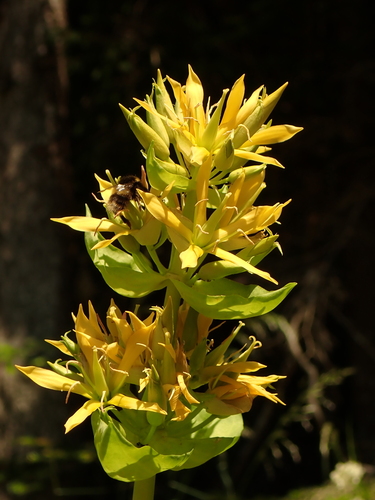
Great yellow gentian
Gentiana lutea
EMA traditional use for mild dyspeptic and gastrointestinal complaints. WHO finds no controlled trials; an uncontrolled study of 205 people with dyspepsia reported relief of bloating, appetite loss, heartburn and nausea, and a small study found a single dose before a meal increased stomach-juice secretion.
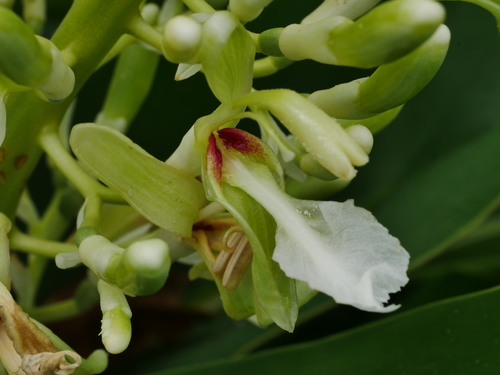
Greater galangal
Alpinia galanga
Recorded in Chinese folk use for stomach ache and in Thai use for digestive disorders; animal studies of Alpinia species show effects on gastric acid and gut motility, but no clinical trials for digestion were found.

Greek mountain tea
Sideritis scardica
EMA traditional-use indication for mild gastrointestinal discomfort, made plausible by spasmolytic effects on gut muscle and stomach-protective effects in laboratory studies.
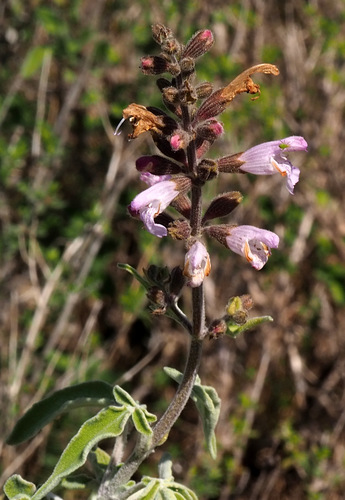
Greek sage
Salvia fruticosa
Taken as a tea after heavy meals in Cyprus and as a stomachic in Spain; ESCOP records oral infusion for dyspepsia. Extracts relaxed guinea-pig gut and blocked induced contractions in the lab. No clinical trials exist.
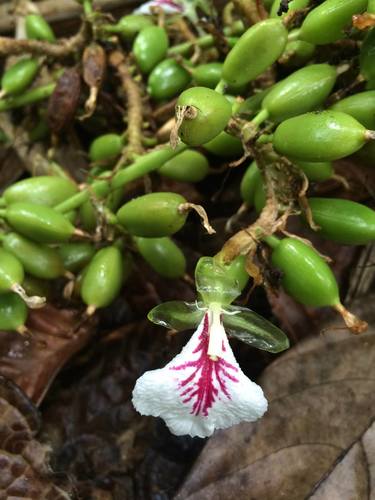
Green cardamom
Elettaria cardamomum
Commission E approved cardamom fruit for dyspeptic complaints, on the basis of long use rather than clinical trials.
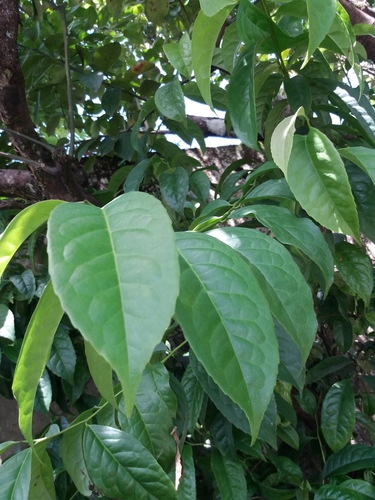
Guayusa
Ilex guayusa
Drunk as a stomach tonic and recorded for gastritis, stomach pain and diarrhoea in Ecuadorian traditions; untested clinically.
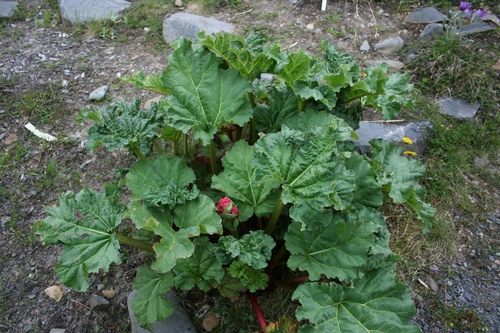
Himalayan rhubarb
Rheum australe
The rhizome is taken for stomach ache and the plant for flatulence in Himalayan villages, and the sour leaf stalks are eaten as a digestive and appetiser.

Honeybush
Cyclopia genistoides
Honeybush was used traditionally for digestive problems.
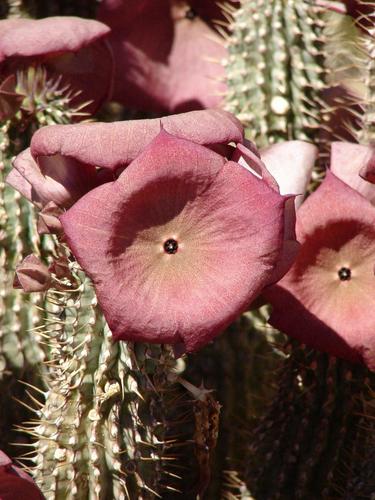
Hoodia
Hoodia gordonii
A review of southern African medicinal plants lists traditional use for indigestion and severe abdominal cramps; no clinical studies.
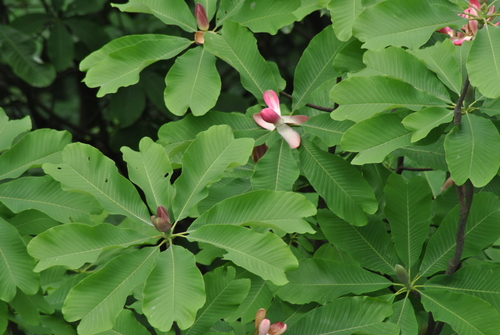
Houpo magnolia
Magnolia officinalis
A pharmacopoeial use in China (WHO); WHO found no clinical studies of single-herb preparations.
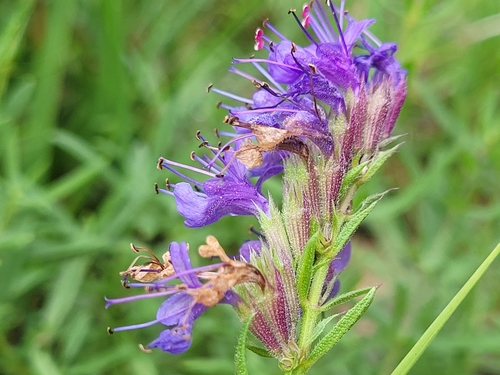
Hyssop
Hyssopus officinalis
Folk use of the infusion and fresh greens to improve digestion and appetite and as a carminative for flatulence; not clinically tested.
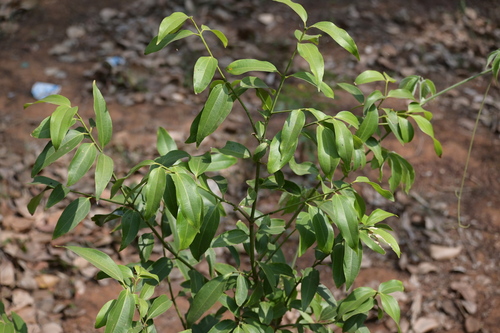
Indian bay leaf
Cinnamomum tamala
Leaves are used for colic pain, vomiting and nausea in the Indian system of medicine, and in Ayurveda and Unani for digestive disorders; no clinical studies.
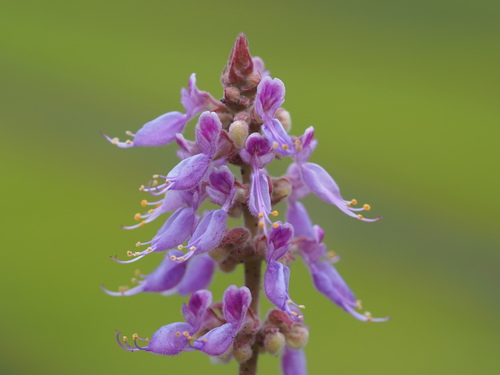
Indian borage
Coleus amboinicus
Used in Brazil and elsewhere for colic, indigestion, flatulence, constipation and diarrhoea. No clinical evidence.

Indian valerian
Valeriana jatamansi
Recorded in China for indigestion and abdominal distension among the Han, Bai, Dai, Naxi and other peoples since the Diannan Bencao; extracts are antidiarrhoeal in mice.

Javanese turmeric
Curcuma zanthorrhiza
EMA traditional use for digestive disturbances such as feelings of fullness, slow digestion and flatulence. There are no clinical trials of the rhizome itself; a 12-person study found 40 mg curcumin halved gallbladder volume within two hours.
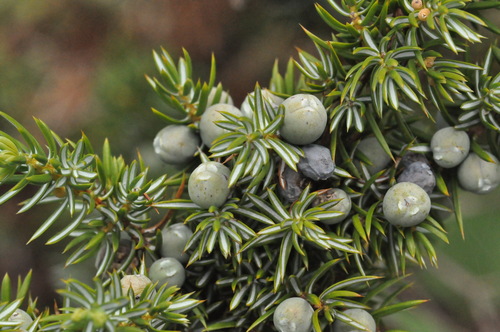
Juniper
Juniperus communis
EMA traditional use for dyspepsia and flatulence; Commission E (1984) accepted only dyspepsia. No clinical trials.
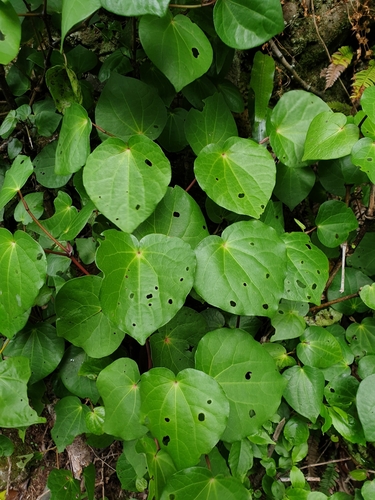
Kawakawa
Piper excelsum
Taken internally for gastrointestinal problems.
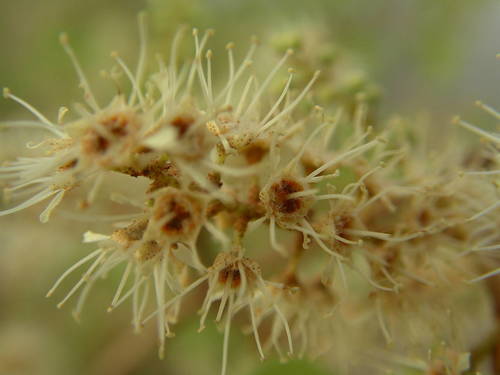
Kinkeliba
Combretum micranthum
Leaf teas are used in West Africa for digestive complaints such as colic and vomiting; animal studies report cholagogue and hepatoprotective effects.
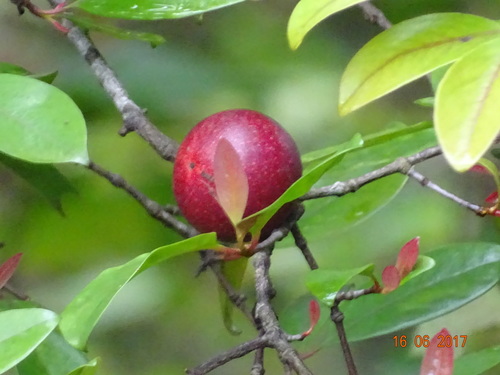
Kokum
Garcinia indica
Used in traditional Indian medicine to promote digestion. Not clinically tested.
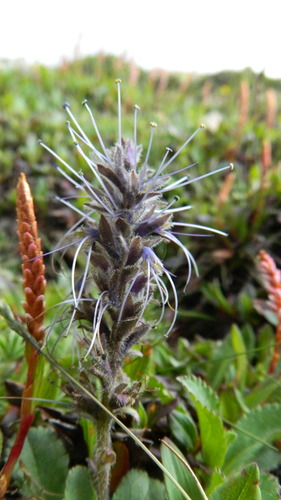
Kutki
Picrorhiza kurroa
Used in Ayurveda and Tibetan medicine for dyspepsia, poor appetite and as a purgative bitter.
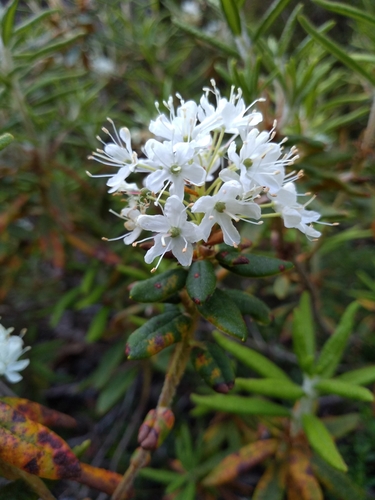
Labrador tea
Rhododendron groenlandicum
The Bella Coola took a leaf decoction for stomach pain; a food review describes the tea as aiding digestion.

Lemon verbena
Aloysia citrodora
Traditionally used for digestive discomfort; covered by the same EMA traditional indication.
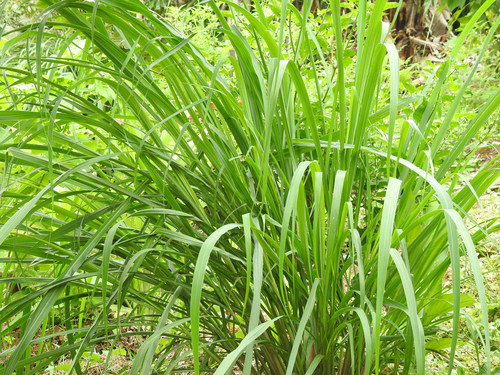
Lemongrass
Cymbopogon citratus
Used in folk medicine for gastrointestinal problems, and in Guadeloupe for digestion; effects are mostly from animal studies.
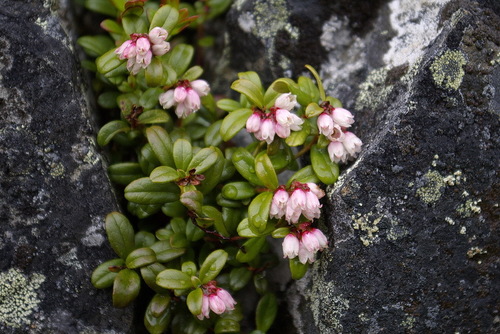
Lingonberry
Vaccinium vitis-idaea
Leaves are used for stomach disorders in folk medicine.
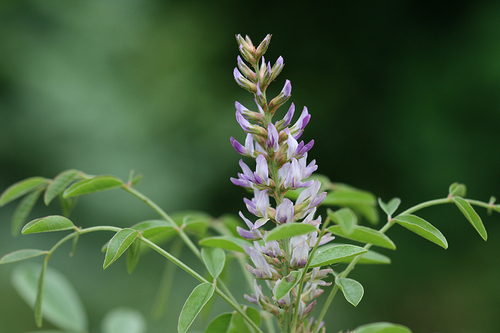
Liquorice
Glycyrrhiza glabra
The EU monograph (revised 2026) registers liquorice root as a traditional remedy for digestive symptoms including burning sensation and dyspepsia, based on long use rather than trials. NCCIH finds the evidence for digestive symptoms from liquorice-only products unclear.
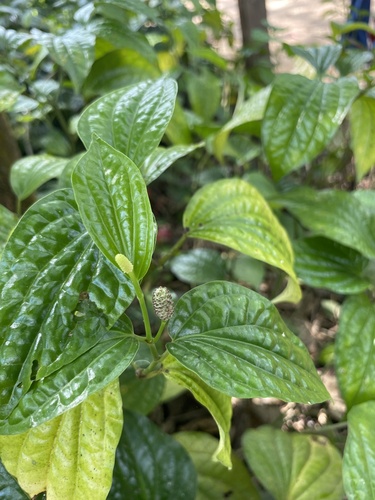
Long pepper
Piper longum
Used in Ayurveda for digestive disorders and as a digestive stimulant, alone and in Trikatu with black pepper and ginger.
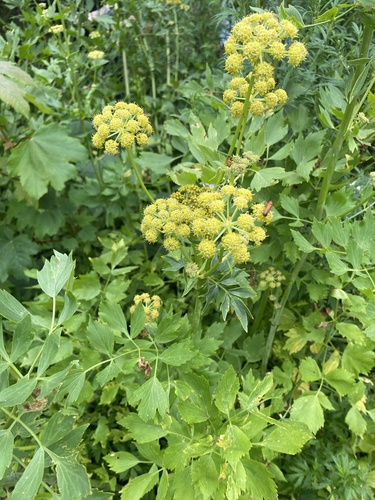
Lovage
Levisticum officinale
Long known in European folk medicine as a carminative and spasmolytic; the British Herbal Compendium lists flatulent colic, heartburn and loss of appetite. Phthalides in the oil are spasmolytic in lab tests.
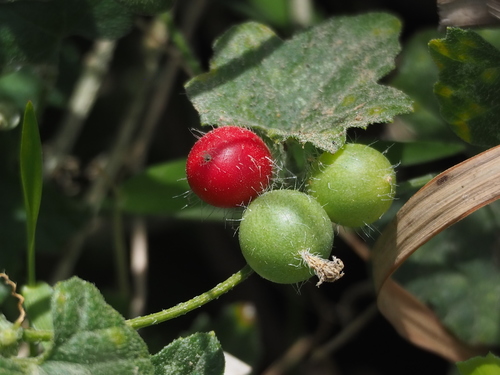
Madras pea pumpkin
Mukia maderaspatana
Sold in Madurai's weekly markets as a plant drug for gastrointestinal problems; untested.

Maqui
Aristotelia chilensis
Mapuche folk medicine uses leaf and fruit infusions for digestive ailments; untested clinically.
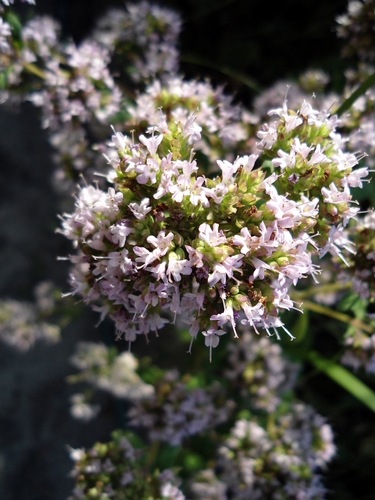
Marjoram
Origanum majorana
Used in traditional and folk medicine for gastrointestinal disorders; a 2017 review lists gastroprotective and antiulcer activity in laboratory studies only.
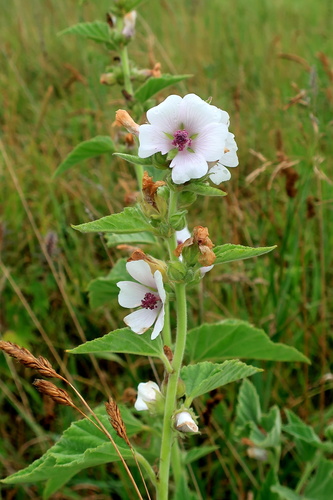
Marsh mallow
Althaea officinalis
EMA traditional use as a demulcent for mild gastrointestinal discomfort in adults and adolescents.
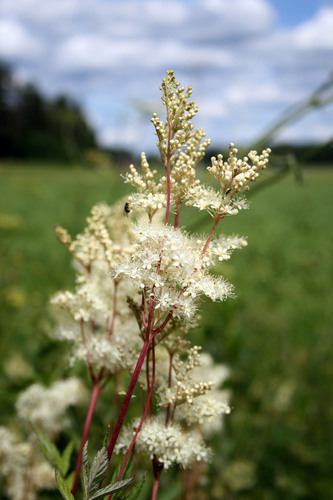
Meadowsweet
Filipendula ulmaria
The British Herbal Compendium lists atonic and acid dyspepsia, gastritis and peptic ulcer; animal studies on gastric ulcers are contradictory and there are no human trials.
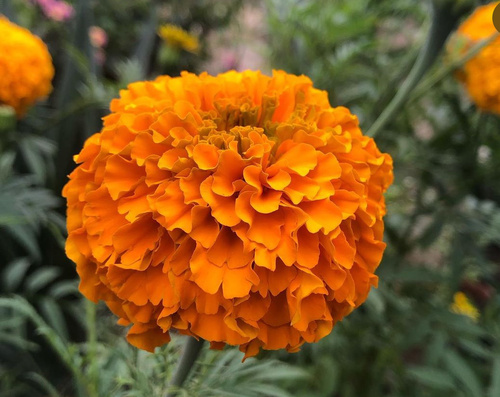
Mexican marigold
Tagetes erecta
The commonest use in Mexico (Chiapas, State of Mexico, Puebla, Tlaxcala, Veracruz) is for stomach ache, followed by 'empacho', diarrhoea, colic, liver and bile complaints, vomiting and indigestion, often as a decoction of the flowers with spearmint. Hernández (16th century) recorded it for flatulence and 'cold stomach'. Untested clinically.
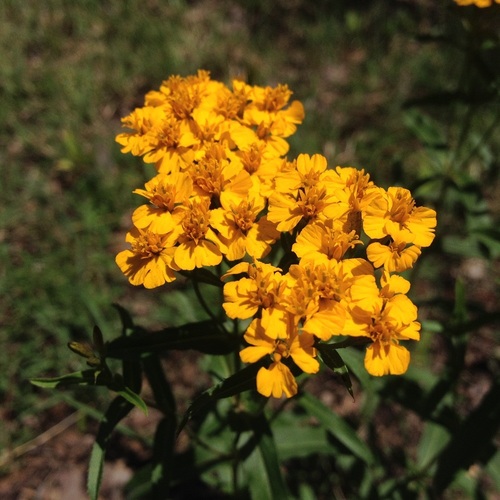
Mexican tarragon
Tagetes lucida
The most frequent use in Mexico (Guanajuato, Guerrero, Michoacán, Tlaxcala): a decoction of the whole plant for stomach ache, colic, 'empacho' and vomiting. Untested clinically.
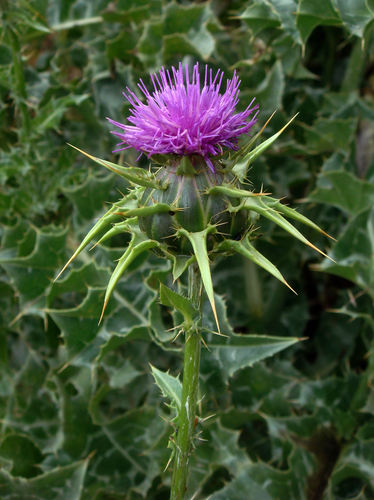
Milk thistle
Silybum marianum
EMA recognises traditional use for symptomatic relief of digestive disorders, feelings of fullness and indigestion, and to support liver function, after a doctor has excluded serious disease.
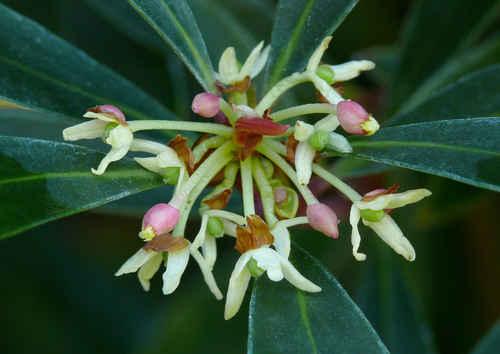
Mountain pepper
Tasmannia lanceolata
Popular sources say it was used for stomach ache and colic; colonial botanist J.H. Maiden (1889) recorded that its bark was sometimes substituted for Winter's bark, an aromatic stomach remedy. No clinical data.

Mugwort
Artemisia vulgaris
Popular in Europe for stomach pain, diarrhoea and intestinal colic 'resulting from cold'; Asian medicine uses it for gastrointestinal discomfort.
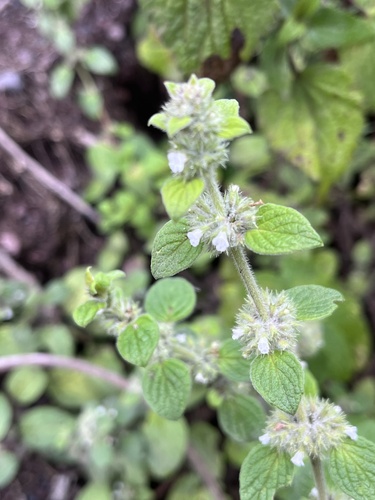
Muña
Minthostachys mollis
Its main traditional use: an infusion for stomach pain, cramps, gastritis and as a digestive, recorded in Peru (including the Incahuasi community) and in Ecuador's herbal pharmacopoeia. No clinical trials.

Myrrh
Commiphora myrrha
Used in its native range for stomach complaints; untested in trials.

Nutgrass
Cyperus rotundus
TCM uses it for epigastric pain by 'regulating qi to protect the stomach'; stomach disorders are its most frequently recorded traditional use worldwide.
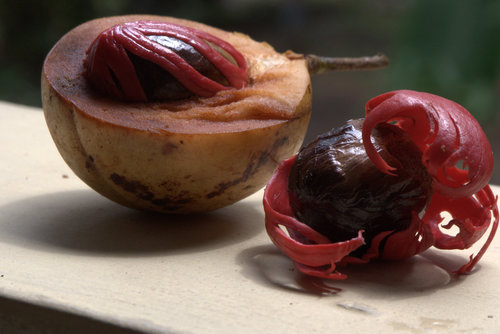
Nutmeg
Myristica fragrans
Used for digestive complaints in several Asian medical traditions. A 2025 review reports only laboratory and animal pharmacology, no clinical trials.
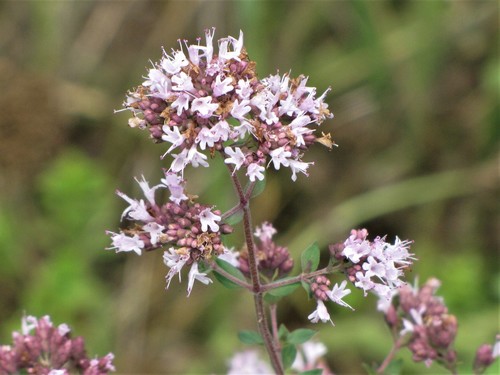
Oregano
Origanum vulgare
Among the most-cited plants for digestive problems in a 2026 Lithuanian ethnobotanical survey; no clinical trials for this use.

Oregon grape
Berberis aquifolium
Blackfoot people drank a root decoction for stomach trouble; Sanpoil drank a decoction of stem tips for vomiting and a disturbed stomach.
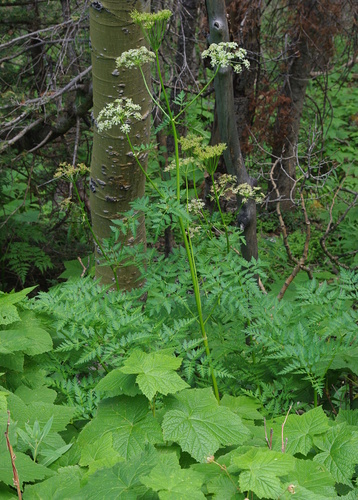
Osha
Ligusticum porteri
Used for indigestion in Rocky Mountain folk herbalism; sedative and spasmolytic activity of its phthalides has been shown in animals.

Pennyroyal
Mentha pulegium
Dried herb and oil used in traditional medicine for digestive, liver and gallbladder complaints; not tested clinically.

Peppermint
Mentha x piperita
The leaf tea has an EMA traditional-use registration for indigestion and flatulence. NCCIH notes some evidence for products combining peppermint oil with caraway oil, but none for peppermint oil alone, which may worsen indigestion in some people.
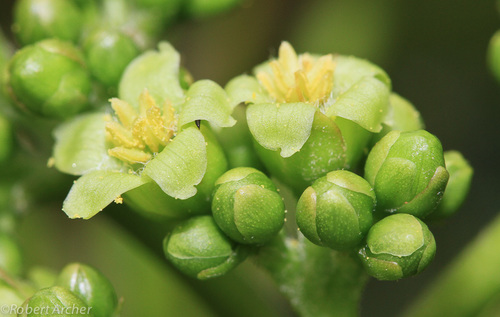
Physic nut
Jatropha curcas
Recorded among plants used for gastritis in Kongo-Central, DR Congo, and for stomach ache in the Philippines.
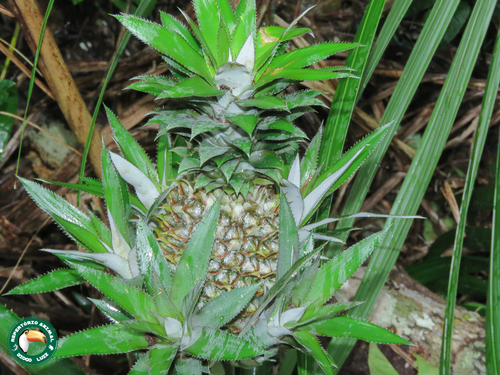
Pineapple
Ananas comosus
The fruit is widely used in tropical folk medicine for digestive complaints; this rests on long use, not trials.
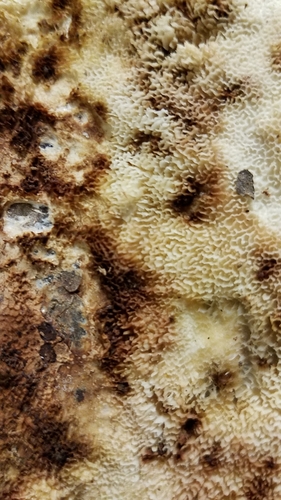
Poria
Wolfiporia cocos
Used in Chinese medicine to 'strengthen the spleen and harmonise the stomach', for acute gastroenteritis, chronic gastritis, nausea and vomiting; supported only by animal studies.
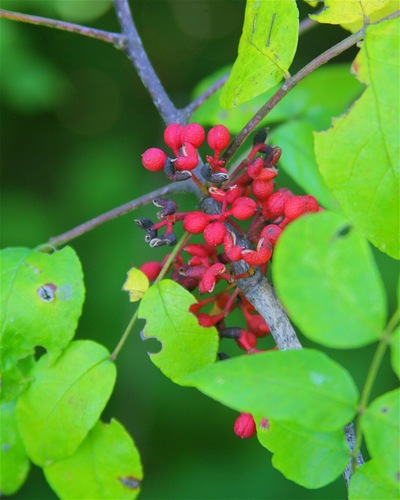
Prickly ash
Zanthoxylum americanum
King's calls it a gastro-intestinal tonic for atonic dyspepsia and flatulence, using the berries for wind. The Iroquois took a bark decoction for cramps.

Quinine tree
Cinchona officinalis
Part of the same Commission E indication for dyspepsia, flatulence and bloating.
Radish
Raphanus sativus
In Chinese medicine the seed is used for food retention with distending pain in the upper abdomen. No controlled trials of the seed alone for indigestion were found.

Rangoon creeper
Combretum indicum
Used in Chinese medicine for 'eliminating accumulation' and, more broadly, for stomach pain, constipation and digestive problems; untested in trials.
Red yeast rice mould
Monascus purpureus
Chinese materia medica record use for indigestion and diarrhoea for over 700 years; these uses have not been tested in trials.
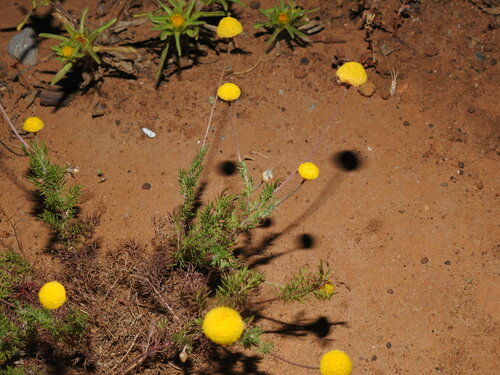
Roman chamomile
Chamaemelum nobile
Listed in the British Herbal Pharmacopoeia (1974) and British Herbal Compendium (1992) for dyspepsia, including flatulent dyspepsia associated with mental stress.
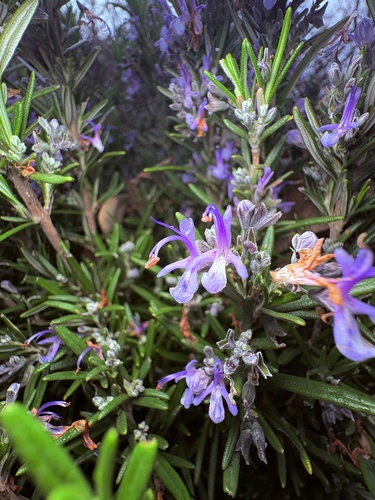
Rosemary
Salvia rosmarinus
EMA traditional use of the leaf tea for dyspepsia and mild spasmodic disorders of the gut; EMA found no clinical studies for this indication.
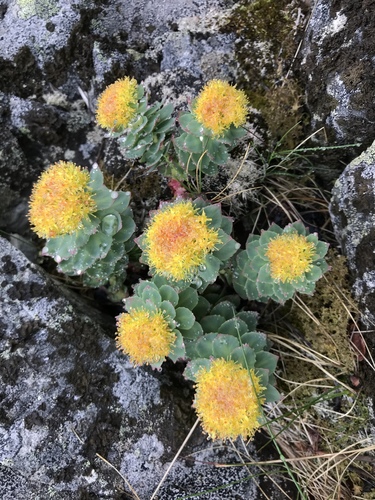
Roseroot
Rhodiola rosea
Among Western Eskimo peoples of Alaska, healers gave a compound decoction of the flowers for stomachache and intestinal discomfort. Not clinically tested.
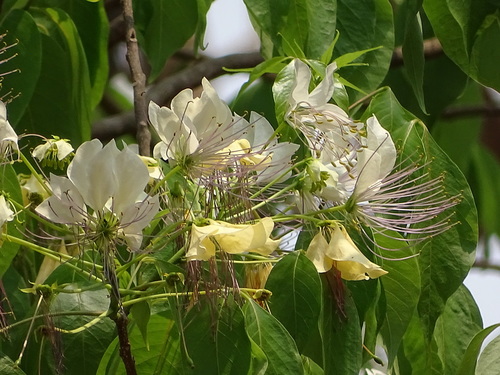
Sacred garlic pear
Crateva religiosa
Leaves are pickled and eaten for gas and poor digestion in Myanmar, and young leaves are boiled and eaten for stomach pain in Nepal.
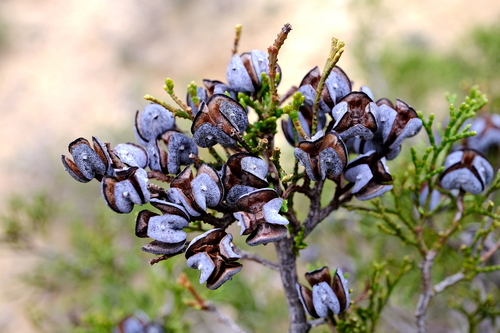
Sandarac tree
Tetraclinis articulata
Stomach pain is among the conditions most often treated with the plant in North Africa; leaf or cone infusions are taken as a carminative and for digestive problems.
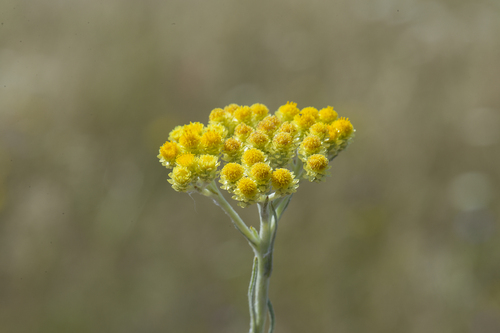
Sandy everlasting
Helichrysum arenarium
Registered as a traditional remedy for mild dyspeptic complaints in Poland and Lithuania, and Commission E (1988) listed dyspeptic disorders as its use. No controlled trials exist.

Scurvy grass
Cochlearia officinalis
The same Romanian sources record the leaves for indigestion. Untested.
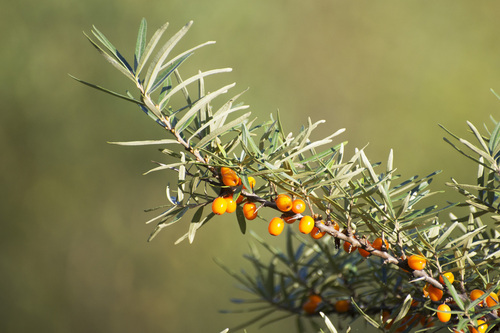
Sea buckthorn
Hippophae rhamnoides
All three Asian traditions use the fruit to aid digestion and relieve abdominal distension and stomach pain; Chinese medicine also uses it for chronic dysentery and tapeworm. No clinical trials were found.
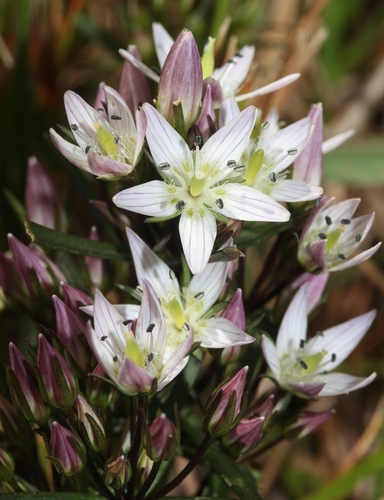
Senburi
Swertia japonica
Used in Japan as a bitter stomachic and blended into general gastroenteric (stomach) medicines. In mice, the powdered herb and swertiamarin reversed dopamine-induced slowing of gastric emptying and gut motility, suggesting dopamine D2 receptor blockade; an oral methanol extract had anticholinergic (antispasmodic) action in rats. No human trials were found.
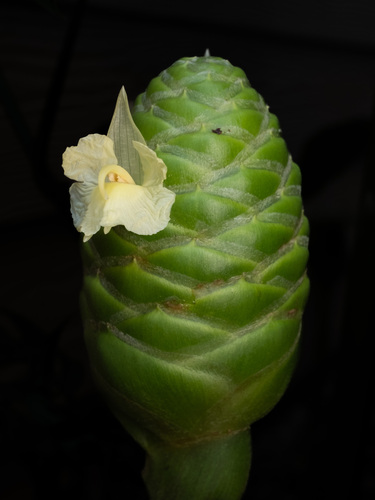
Shampoo ginger
Zingiber zerumbet
Malay, Thai, Taiwanese and Indian folk uses include stomach ache, poor appetite and flatulence; untested in people.
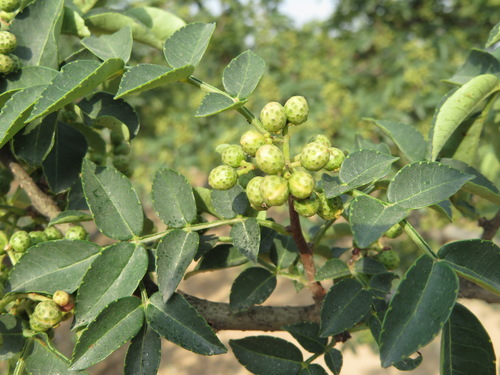
Sichuan pepper
Zanthoxylum bungeanum
The Chinese Pharmacopoeia says it 'warms the middle energizer to relieve pain' and lists it for cold pain of the epigastrium and abdomen, vomiting and diarrhoea; it is the principal herb of Zhang Zhongjing's Dajianzhong decoction for cold abdominal pain. No clinical trials were found.
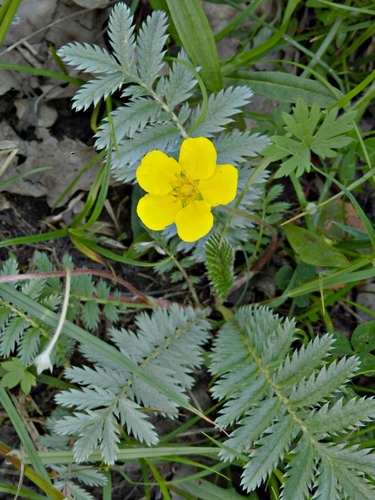
Silverweed
Potentilla anserina
In Austrian folk medicine the herb is drunk as a tea for gastrointestinal complaints. Its ellagitannins are converted by human gut bacteria into anti-inflammatory urolithins in ex vivo tests.
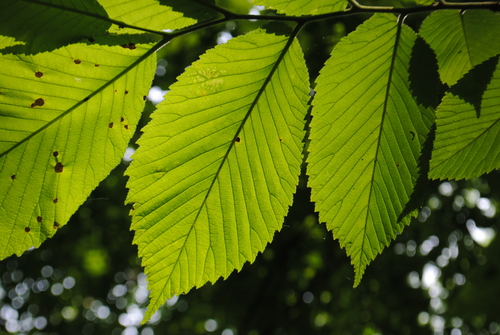
Slippery elm
Ulmus rubra
LiverTox lists gastrointestinal upset among its oral uses. The Cherokee took it to soothe the stomach and bowels and for heartburn, and the Ojibwa took it for stomach troubles.
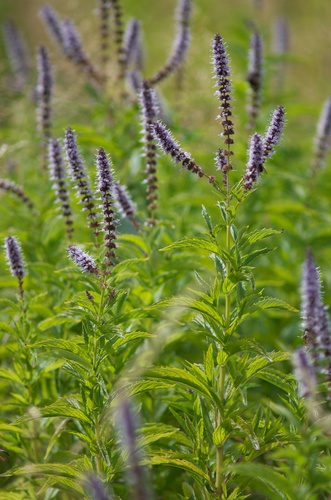
Spearmint
Mentha spicata
Digestive problems are among its main traditional uses worldwide.
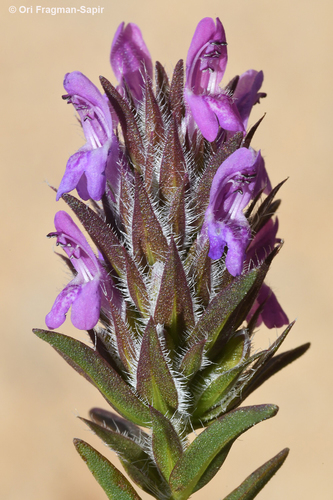
Spiked thyme
Thymbra spicata
Brewed as tea for stomach ache, gastrointestinal disorders and colic in Turkey.
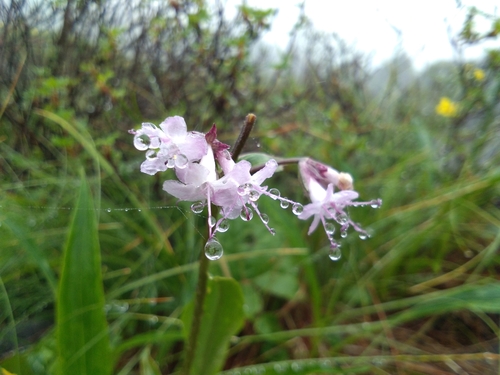
Spikenard
Nardostachys jatamansi
In traditional Chinese medicine used to regulate qi, relieve pain and aid digestion.
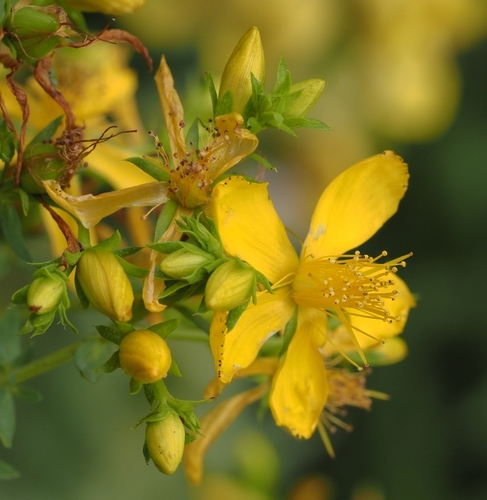
St John's wort
Hypericum perforatum
EMA traditional use for symptomatic relief of mild gastrointestinal discomfort.
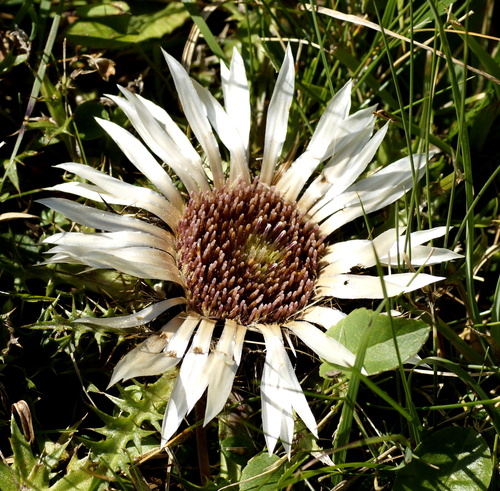
Stemless carline thistle
Carlina acaulis
In Prokletije (Montenegro) the root is used for gastritis, dyspepsia and bile-duct disorders.
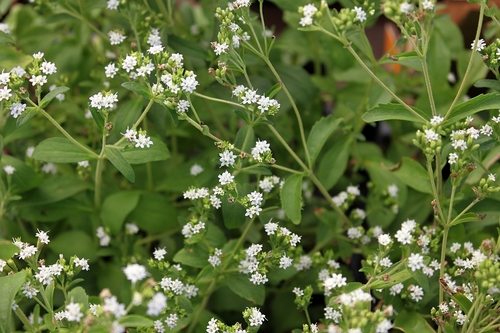
Stevia
Stevia rebaudiana
In Paraguay a leaf decoction is used for stomach-ache and heartburn, and in Brazil it is taken with yerba mate to aid digestion.
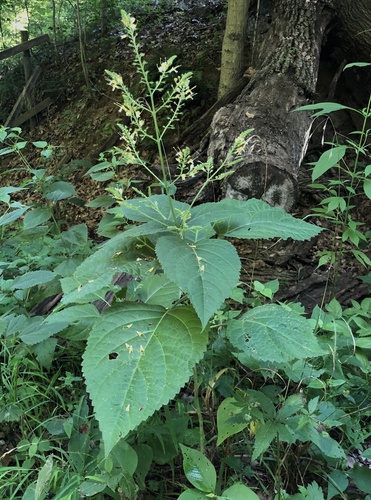
Stone root
Collinsonia canadensis
Recorded by the Eclectics for indigestion, chronic gastritis, colic and constipation.
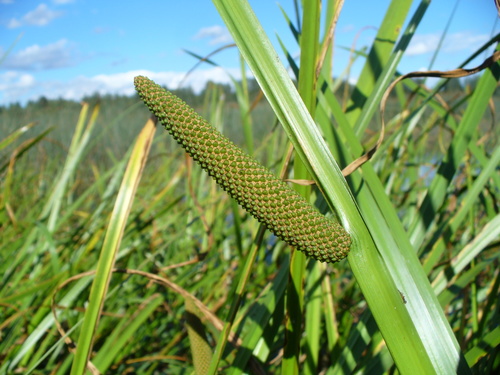
Sweet flag
Acorus calamus
The most widely recorded use: for colic, flatulence, stomach cramps and dysentery in India, Pakistan, England, Germany and elsewhere, and as a remedy for stomach gas among the Abnaki and for flatulent colic among the Cherokee. Not tested clinically.

Sweet orange
Citrus x aurantium
Part of the same Commission E indication for dyspepsia.
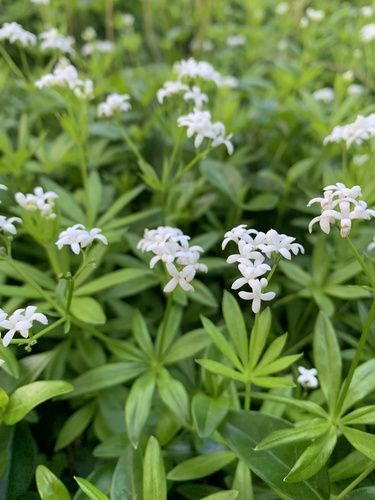
Sweet woodruff
Galium odoratum
Taken internally for digestive disorders in folk medicine, according to Madaus's historical compendium as summarised in a 2026 review. Untested in people.
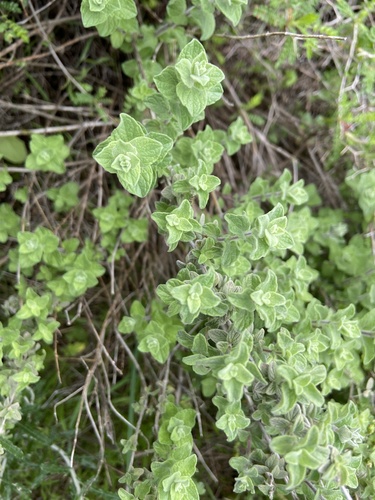
Syrian oregano
Origanum syriacum
Its main folk use: relief of stomach and intestinal pain, especially in Jordan. No clinical trials.
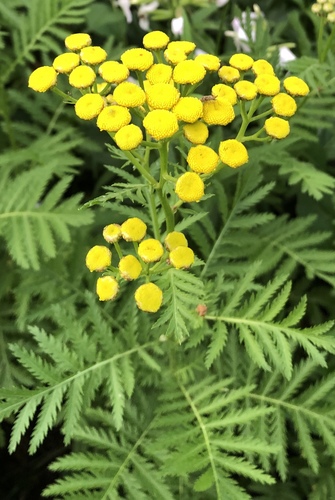
Tansy
Tanacetum vulgare
Used for stomach disorders by the Delaware and Mohegan (as part of compound infusions), and for gastritis by villagers in Syria. Untested in people.
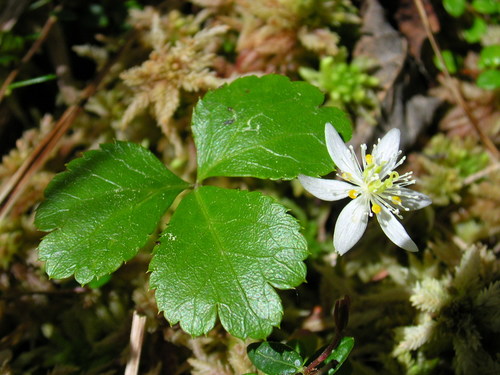
Threeleaf goldthread
Coptis trifolia
Iroquois root infusions were taken to ease digestion, for biliousness and vomiting (including in babies), and in compound decoctions for stomach cramps and worms.
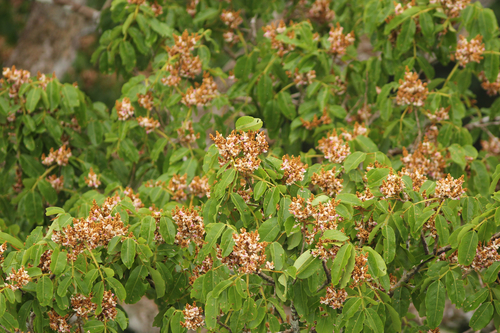
Tonka bean
Dipteryx odorata
Digestive disorders are among the recorded Amazonian and Maranhão folk uses of the seeds; not clinically studied.
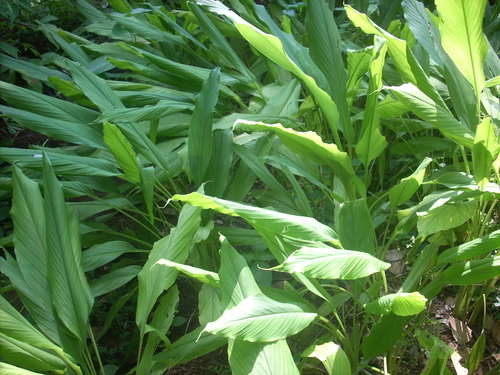
Turmeric
Curcuma longa
EMA recognises traditional use of turmeric root for relief of digestive disturbances such as fullness, slow digestion and flatulence, based on long use rather than trials.
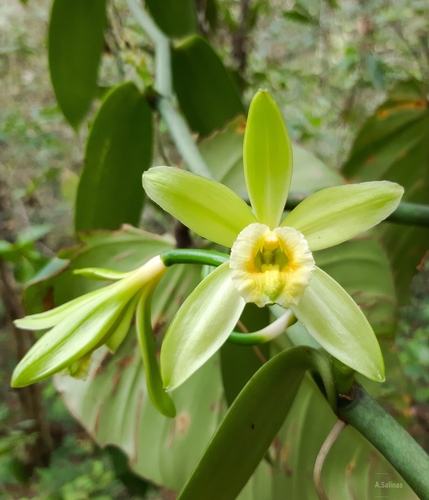
Vanilla orchid
Vanilla planifolia
The liquid extracted from the pods was once believed to help various stomach ailments, according to a general reference source. No clinical trials were found.

Welsh onion
Allium fistulosum
Recorded as a crude drug for abdominal pain in East Asian medical dictionaries.

White horehound
Marrubium vulgare
EMA traditional-use indication for mild dyspeptic complaints, taken half an hour before meals. In German-speaking countries it is used chiefly as a bitter remedy. Gastroprotective effects were seen in rodents.
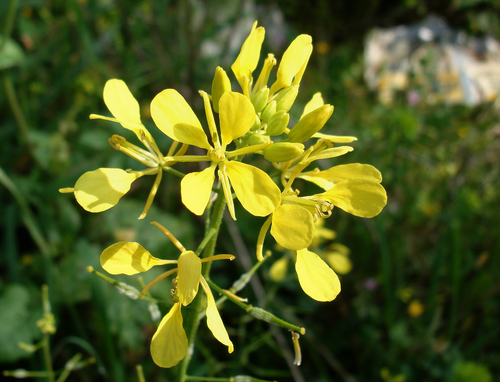
White mustard
Sinapis alba
Traditionally used as a digestive aid; untested clinically.

White wormwood
Artemisia herba-alba
Used in Moroccan herbal tea for stomach disorders and in folk medicine as an antispasmodic.
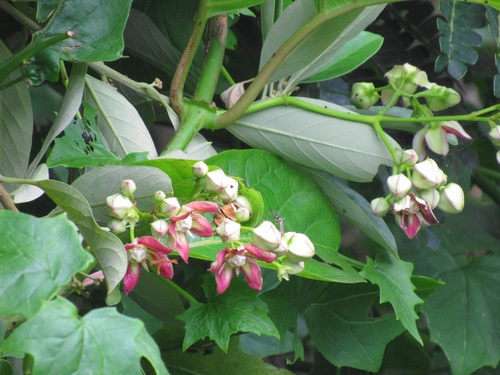
White's ginger
Mondia whitei
Recorded as a treatment for indigestion; the chewed root tastes bitter-sweet and then makes food taste sweet.
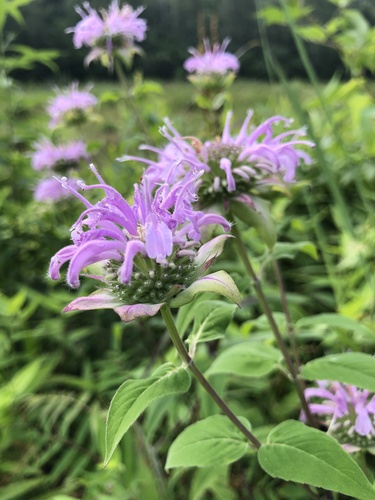
Wild bergamot
Monarda fistulosa
Dakota took infusions or decoctions of flowers and leaves for abdominal pain; Cherokee used it for colic, flatulence and weak bowels.
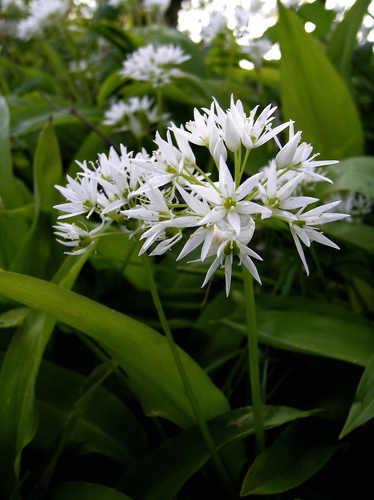
Wild garlic
Allium ursinum
Recommended in European traditional medicine as a digestive stimulant.

Wild thyme
Thymus serpyllum
Serpylli herba has a long history of use for mild gastrointestinal and dyspeptic complaints.
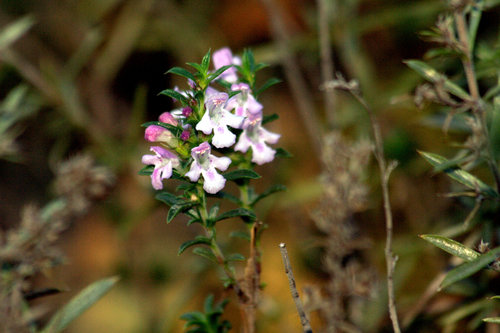
Winter savory
Satureja montana
Informants in Trentino (northern Italy) prepare the herb tea for nervous stomach pains; it is traditionally used for digestion, and in Bulgarian ethnobotany it has high fidelity values for digestive complaints.
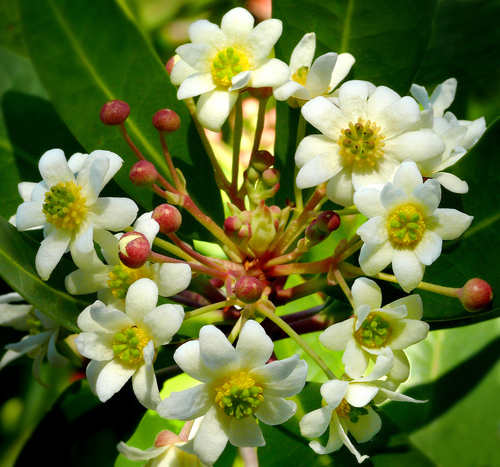
Winter's bark
Drimys winteri
Leaf infusions are a Mapuche remedy for stomach disorders and stomach pain.
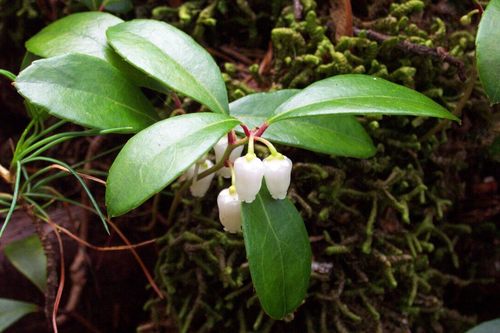
Wintergreen
Gaultheria procumbens
Cherokee took a root infusion with trailing arbutus for chronic indigestion and chewed the leaves for dysentery; the Tête-de-Boule used a leaf infusion for stomach-aches.
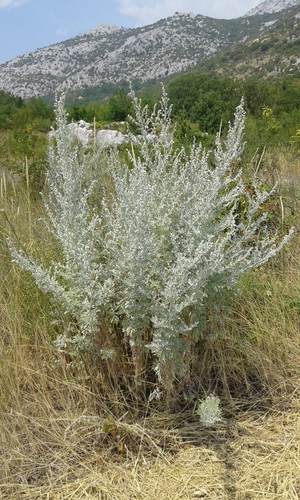
Wormwood
Artemisia absinthium
EMA traditional use for mild dyspepsia and gastrointestinal disorders, taken after meals.
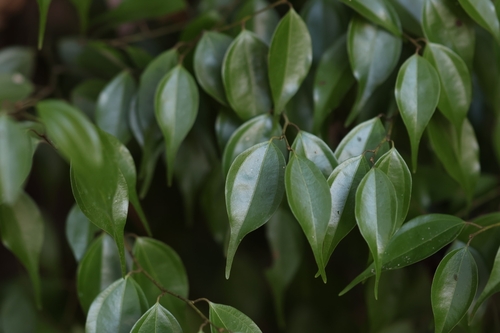
Wu yao
Lindera aggregata
The root is reported to treat diseases of the gastrointestinal tract.
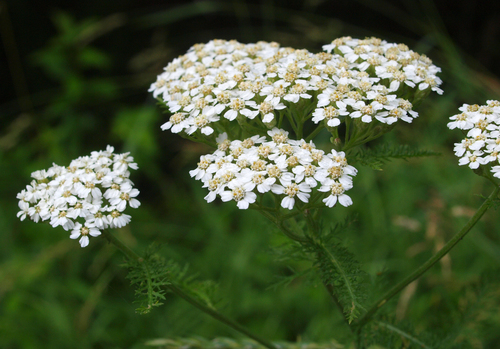
Yarrow
Achillea millefolium
EMA traditional use for mild digestive complaints such as bloating and flatulence.

Zedoary
Curcuma zedoaria
Used in Ayurveda and other folk medicine for flatulence and dyspepsia, according to a 2009 review; supported mainly by lab and animal studies.