The Apothecary / Skin & wounds
Eczema and dermatitis
99 remedies
See a doctor if
Weeping, crusted or infected skin.
Reference, not prescription. Nothing here is medical advice. Herbs can interact with medicines and be dangerous in pregnancy; tell your doctor or pharmacist about anything you take.
Limited evidence
LimitedSmall or few trials, mixed results, or mainly lab and animal work.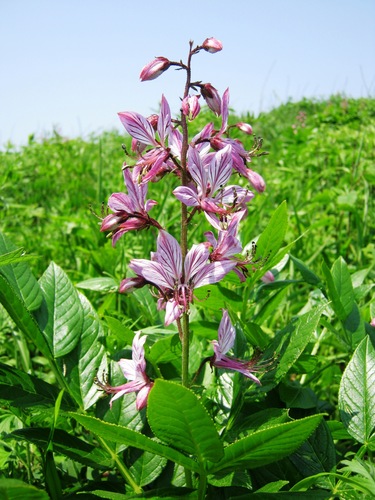
Bai xian pi
Dictamnus dasycarpus
The main traditional use in China, Japan and Korea (eczema, pruritus, urticaria). Extracts and decoctions reduced skin inflammation in mouse models of contact and atopic dermatitis; no controlled trials of the herb alone in people were found.
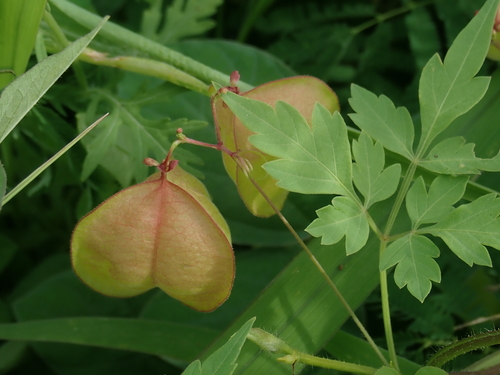
Balloon vine
Cardiospermum halicacabum
A 15-day observational study of a C. halicacabum cream (HALICAR) in atopic dermatitis reported improvement, but it had no control group.
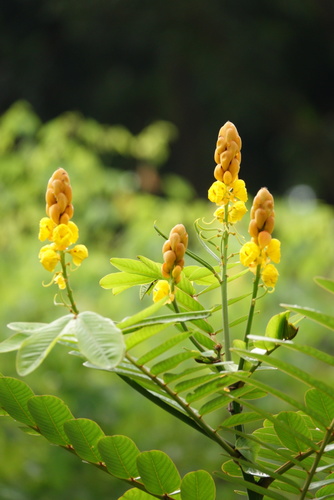
Candle bush
Senna alata
Topical extracts are reported to reduce skin inflammation and itch, and leaf extract lowered inflammatory signals in skin cells; clinical evidence for atopic dermatitis is limited.
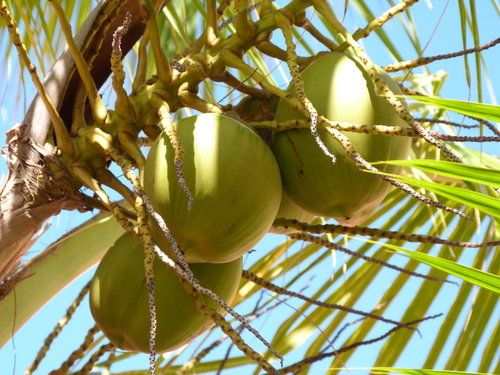
Coconut palm
Cocos nucifera
In a double-blind RCT of 117 children with mild to moderate atopic dermatitis, eight weeks of topical virgin coconut oil reduced the SCORAD severity score by 68%, versus 38% with mineral oil, and improved skin barrier measures.

Common fig
Ficus carica
In a randomised trial in 45 children with mild-to-moderate atopic dermatitis, a cream of dried-fig fruit extract applied twice daily for two weeks reduced SCORAD scores more than 1% hydrocortisone or placebo. A small Japanese placebo-controlled trial of fig-leaf tea in adults with mild atopic dermatitis also reported lower eczema scores. Both trials were small.
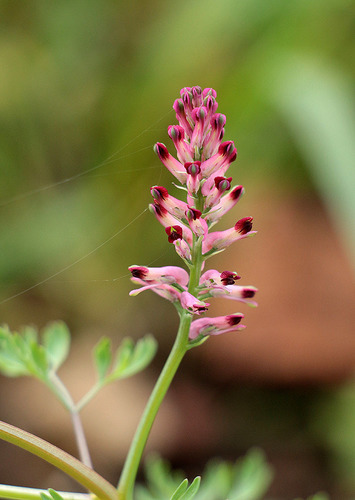
Fumitory
Fumaria officinalis
A 2-week randomised trial in 40 people with mild to moderate atopic eczema found a cream combining Fumaria officinalis and silymarin reduced SCORAD scores about as much as mometasone 0.1%; the effect of fumitory alone cannot be separated. Folk use for chronic eczema and eruptions is recorded.
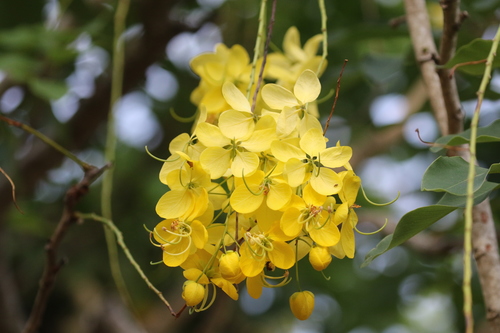
Golden shower tree
Cassia fistula
In Ayurveda the leaf paste (Aragvadha Patra Lepa) is applied for Vicharchika (eczema). In a 4-week comparative study in 60 patients, the paste alone was compared with the paste plus purgation with Trivrit; the combination did better, and there was no untreated or placebo group.
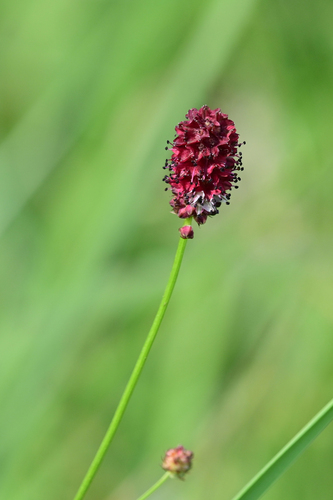
Great burnet
Sanguisorba officinalis
Used traditionally for dermatitis and eczema; ethanol extracts reduced inflammatory chemokine production in human skin cells in the lab.
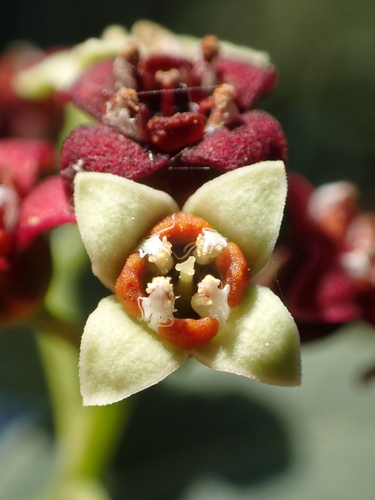
Indian sandalwood
Santalum album
An open-label study of a children's regimen combining colloidal oatmeal with sandalwood oil reported reduced eczema severity; a combined sandalwood-oil and turmeric cream reduced radiation dermatitis compared with baby oil in a 50-patient randomised pilot in head and neck cancer.
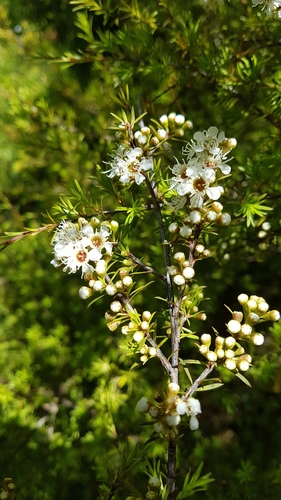
Kānuka
Kunzea ericoides
In a single-blind trial in 80 adults, 3% kānuka oil cream twice daily for 6 weeks improved Patient-Oriented Eczema Measure scores by 3.1 points more than the cream base (p = 0.036); the difference was not significant in the per-protocol analysis or on other scores.
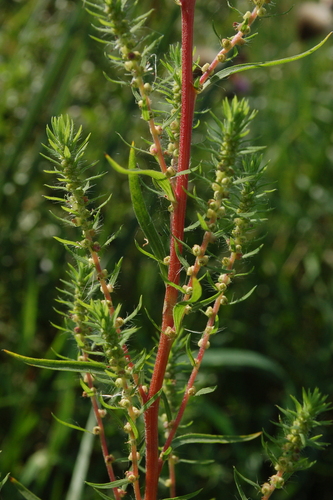
Kochia
Bassia scoparia
Used in TCM for eczema and rubella rashes. Extracts and fruit flavonoids reduced allergic contact dermatitis in mice and rats; no human trials of the herb alone were found.
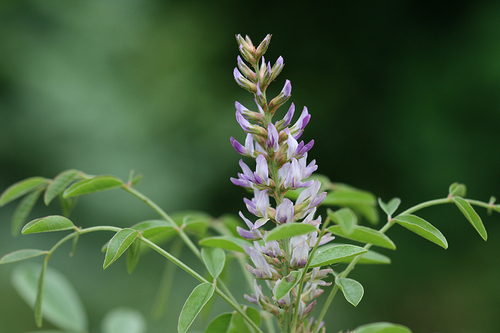
Liquorice
Glycyrrhiza glabra
NCCIH notes preliminary findings that topical gels containing liquorice root extract may help eczema; more research is needed.
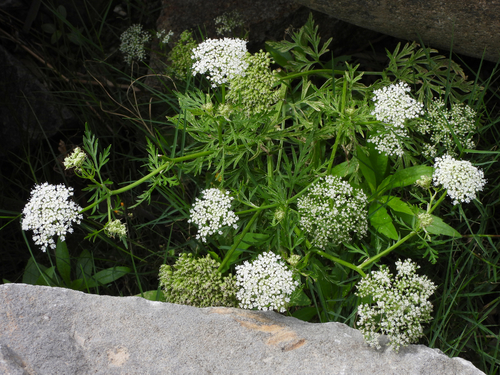
Monnier's snowparsley
Cnidium monnieri
Total coumarins applied to the skin reduced lesion scores, inflammatory cytokines and mast cells and restored filaggrin in rats with chemically induced atopic-dermatitis-like disease. Animal work only.
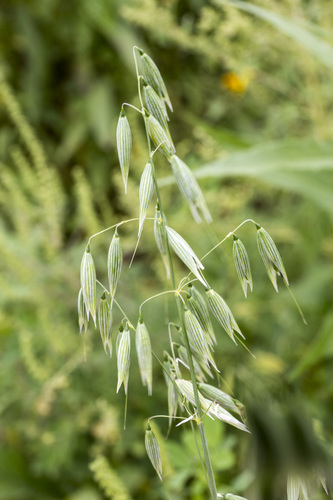
Oat
Avena sativa
EMA traditional use of oat flour and colloidal oatmeal for minor skin inflammation. Studies of colloidal oatmeal products in children's skin conditions and itchy dry skin were positive but mostly uncontrolled or combined with other ingredients.

Oregon grape
Berberis aquifolium
One open-label trial in 42 adults with atopic dermatitis reported improved EASI scores after 12 weeks of a Mahonia cream (Reliéva); there was no control group.

Patchouli
Pogostemon cablin
In the CHARM double-blind RCT (218 adults with mild atopic dermatitis or eczema), the formula reduced EASI scores slightly more than placebo at 4 weeks, and more patients reached 50% improvement by week 8 (66% vs 51%).

Purple gromwell
Lithospermum erythrorhizon
Atopic dermatitis: a meta-analysis of 12 animal studies found zi cao and its compounds reduced dermatitis severity and scratching, but all studies had risk of bias and none reported toxicity. In a small RCT in 28 people with atopic dermatitis, 1.5 g/day of oral root extract for 10 weeks raised skin hydration and ceramides compared with placebo.
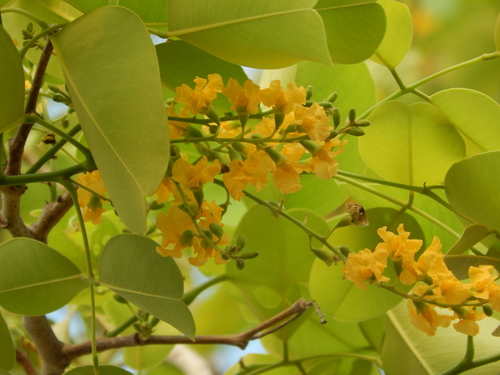
Red sanders
Pterocarpus santalinus
An extract reduced histamine release from mast cells and eased atopic-dermatitis-like skin lesions in mice. Ayurveda uses the wood externally for skin diseases.
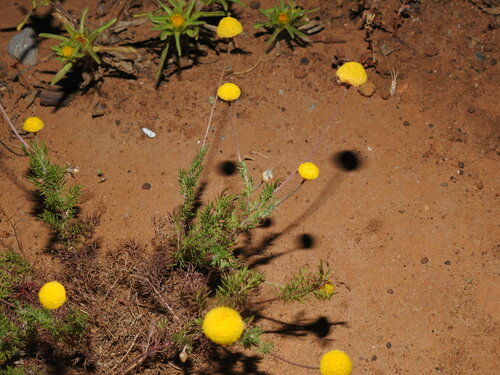
Roman chamomile
Chamaemelum nobile
In a small placebo-controlled study in 20 volunteers, a 5% Roman chamomile emulsion sped the fading of UV-induced skin redness but did not prevent it; EMA notes the report lacked details of blinding and statistics. Traditional topical use is as an emollient and anti-itch adjunct for skin disorders.
Schizonepeta
Nepeta tenuifolia
Used clinically in China for allergic and inflammatory skin disease. Extracts, and a jing jie–fang feng decoction, reduced atopic-dermatitis-like skin lesions in mice and lowered histamine release from mast cells in the laboratory. No clinical trials of the herb alone were found.
Shea tree
Vitellaria paradoxa
Only multi-ingredient creams have been tested. In 29 children with mild to moderate atopic dermatitis, a moisturiser containing shea extract, spent grain wax and argan oil worked about as well as 1% hydrocortisone on the opposite side of the body over four weeks; another shea-containing cream did no better than a ceramide product in 34 children. The effect of shea itself cannot be separated out.

Shikakai
Senegalia rugata
In a two-week randomised, double-blind, vehicle-controlled pilot in 30 people with atopic dermatitis, a cleanser combining Acacia concinna with two other Thai herbs was compared with a plain cleanser on opposite forearms. Transepidermal water loss differed significantly between sides, but hydration, pH and roughness did not; the authors suggest it may help as an adjunct. The effect of shikakai itself cannot be separated out.
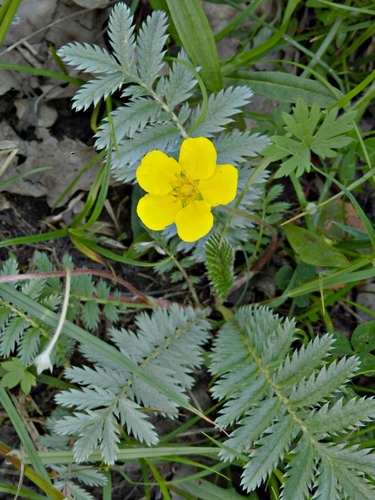
Silverweed
Potentilla anserina
In a 4-week study in people wearing masks over 6 hours a day, a moisturiser containing the extract reduced redness (by about 7%) and water loss and increased hydration more than a control moisturiser. The study tested a cosmetic, not the traditional herb, and was not a disease trial.
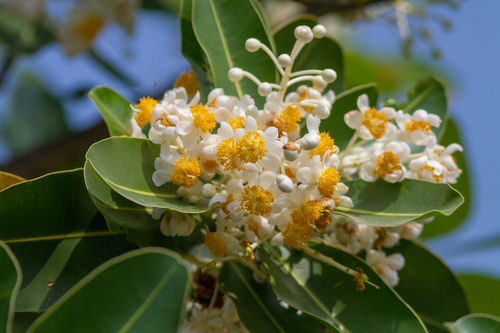
Tamanu
Calophyllum inophyllum
Used for eczema and dermatoses in Polynesia. A 2021 review proposes it for atopic dermatitis based on anti-inflammatory, antimicrobial and antioxidant lab data, but notes that it has not been tested in models of the disease or in patients.
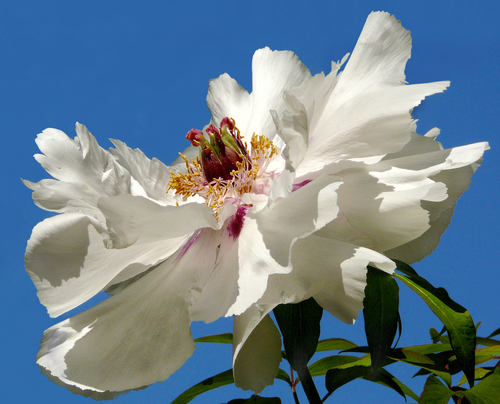
Tree peony
Paeonia suffruticosa
Reviews report that paeonol has shown good effects in models of atopic dermatitis and psoriasis, and bark extracts inhibited allergic itching and histamine release in animals; no clinical trials of the herb were found.
Traditional use
TraditionalLong recorded use, essentially untested in clinical trials.
African baobab
Adansonia digitata
Seed oil is used in Africa to hydrate skin in eczema and psoriasis.

Almond
Prunus amygdalus
Almond oil was used in ancient Chinese, Ayurvedic and Greco-Persian medicine for dry skin conditions such as eczema and psoriasis. In a trial in preterm infants, almond oil improved skin hydration with no harm.
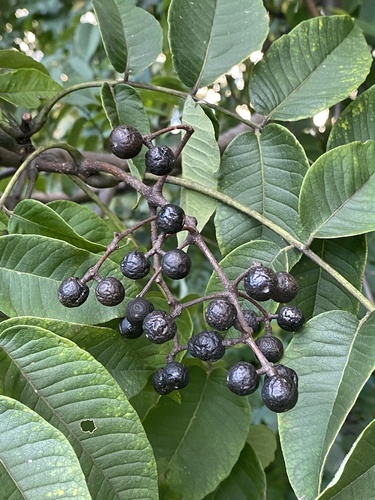
Amur cork tree
Phellodendron amurense
The Chinese Pharmacopoeia lists it for eczema, damp sores, itching and swellings. Untested in trials.
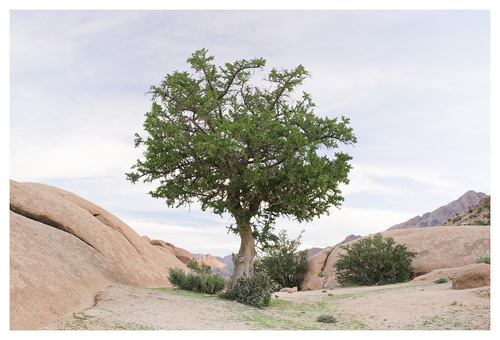
Argan
Argania spinosa
In Moroccan tradition the oil is applied for dry and wrinkled skin, chapped skin, eczema, chickenpox and other skin conditions, and to prevent stretch marks in pregnancy.

Balsam of Tolu
Myroxylon balsamum
Once used as a 12.5% ointment for eczema and itching, Peru balsam is now a recognised cause of eczema: in European dermatology clinics 2021–2022, 6.5% of 18,832 patients patch tested were allergic to it.
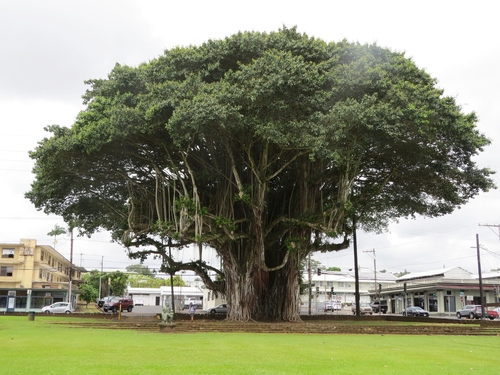
Banyan
Ficus benghalensis
Bark decoctions are used for skin disorders and inflammation in Ayurveda. Not clinically tested.
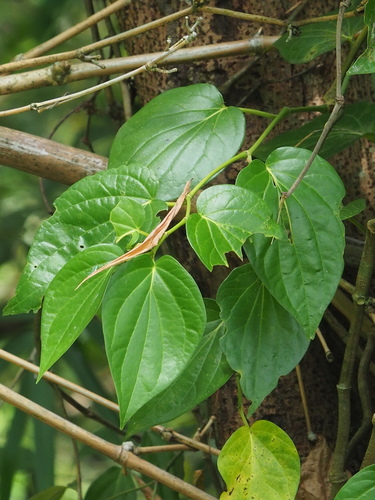
Betel
Piper betle
In Thai traditional medicine (as phlu), the pungent leaf is listed in Thailand's National List of Essential Medicines to relieve itchy, inflamed skin, and is combined with other herbs for atopic dermatitis; the evidence is from cell studies.
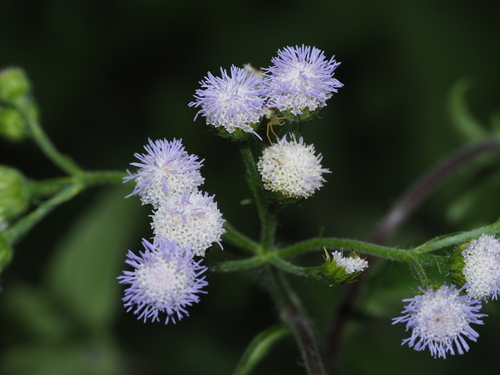
Billygoat weed
Ageratum conyzoides
The Dayak communities of Borneo use it among brightly coloured plants for skin complaints; it has been explored only as a laboratory photosensitiser candidate.
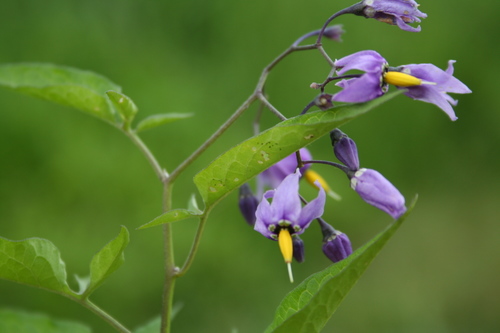
Bittersweet nightshade
Solanum dulcamara
EMA traditional-use indication: symptomatic relief of mild recurrent eczema, applied to the skin as an infusion or decoction. Commission E approved it as supportive therapy for chronic eczema. Only open, uncontrolled studies of ointments and oral extracts exist (e.g. 526 patients completed 4 weeks of a 10% ointment), with improvement in itching and redness.

Black nightshade
Solanum nigrum
Chinese classical texts record use for skin eczema and carbuncles, applied externally or taken in decoction; a Longkui Yinxiao tablet altered immune markers in a psoriasis study.
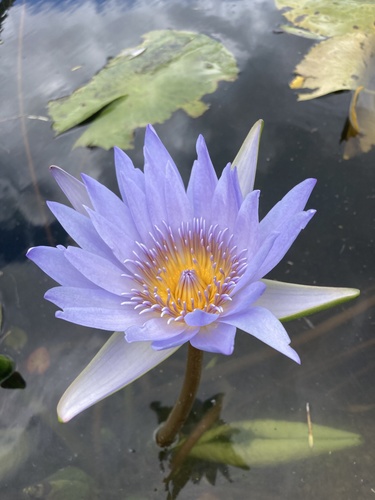
Blue water lily
Nymphaea nouchali
Ayurvedic use for 'cutaneous diseases' and inflammation; not tested clinically.
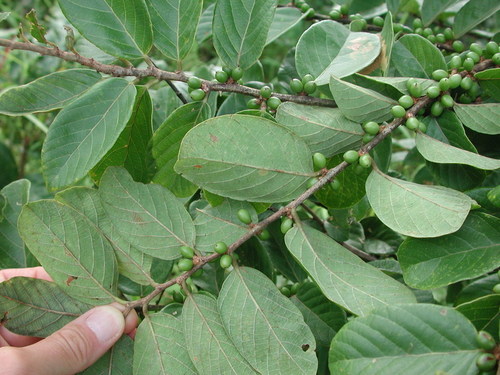
Bridelia
Bridelia ferruginea
Stem and root bark are used for skin conditions, rashes and boils (Côte d'Ivoire, Togo).
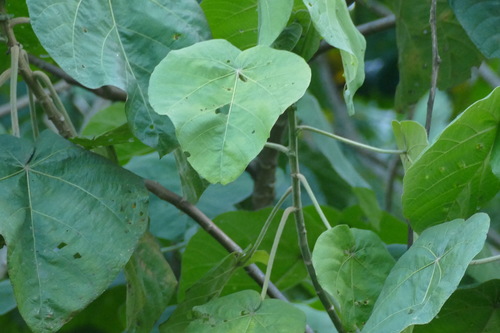
Broad-leaved croton
Croton macrostachyus
In north-east Ethiopia powdered bark mixed with olive oil is creamed onto eczema.
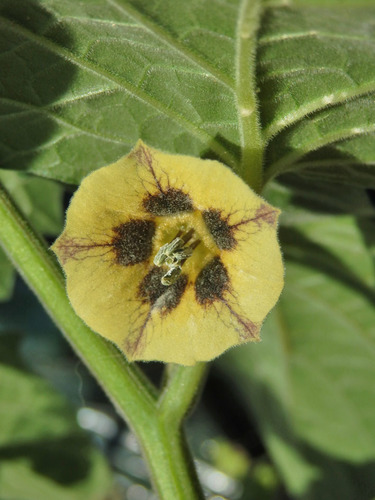
Cape gooseberry
Physalis peruviana
Used for dermatitis; withanolides from the fruit and aerial parts inhibited NF-κB and nitric oxide production in cells at nanomolar concentrations.

Cedar of Lebanon
Cedrus libani
External use of the resin for eczema is recorded in an ethnobotanical survey from Mersin, Turkey; there are no clinical studies.
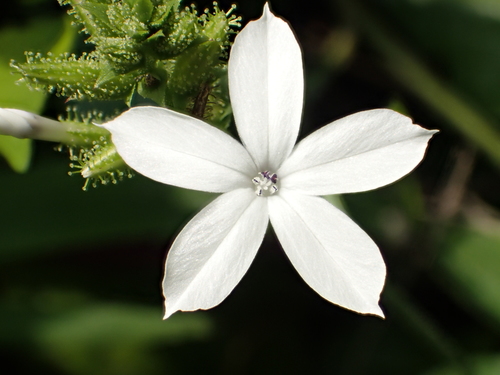
Ceylon leadwort
Plumbago zeylanica
Rajasthan tribal healers apply a paste of the root for dermatitis, and the root is commonly used for skin disease in Ethiopia; the methanol root extract was a moderate skin irritant in rabbits.
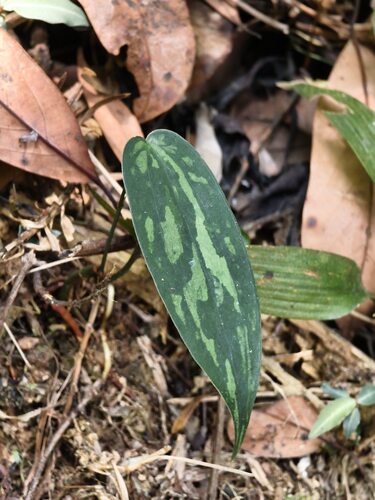
Chinaroot
Smilax glabra
Used for eczema itching; a main ingredient of Fufang Qingdai Wan for eczema and of Shiduqing capsules for itching skin.
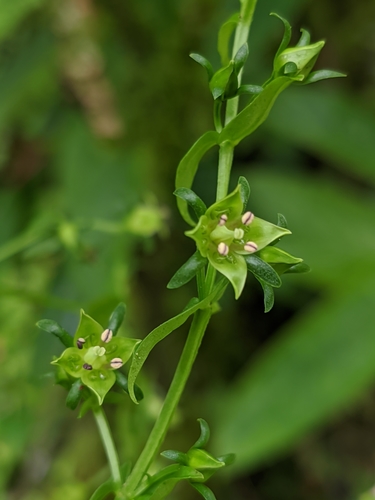
Chiretta
Swertia chirayita
A paste of the plant is applied to eczema and pimples.
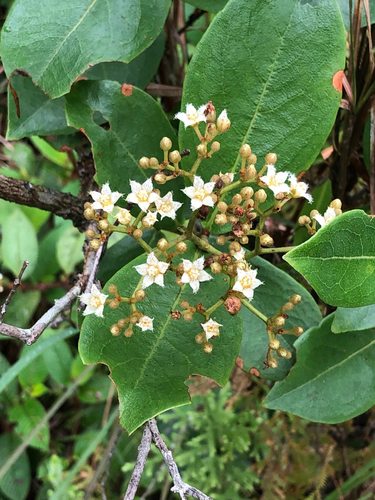
Christmas berry
Psorospermum febrifugum
Used for eczema and dermatitis; around Mabira Forest in Uganda the leaves are pounded, dried, mixed with Vaseline and smeared on skin rashes.
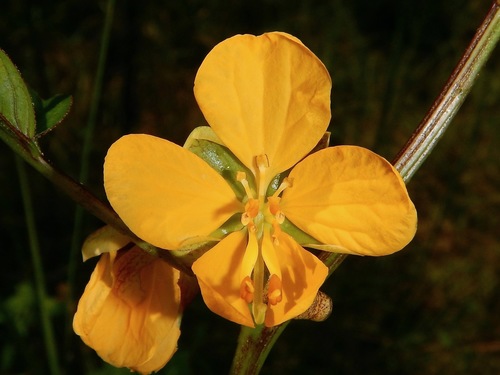
Coffee senna
Senna occidentalis
Used in Jamaican folk medicine for eczema, and Native Hawaiians used the pounded plant, with other ingredients, as a wash for skin diseases.
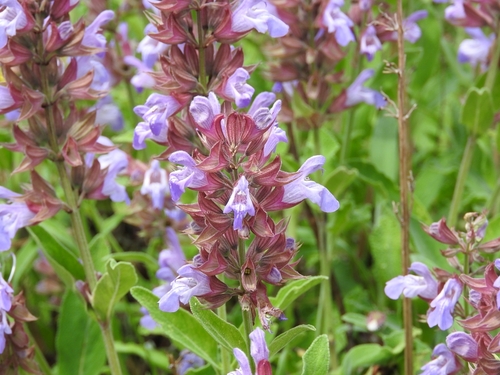
Common sage
Salvia officinalis
EMA traditional use of an infusion applied to the skin for minor skin inflammations.
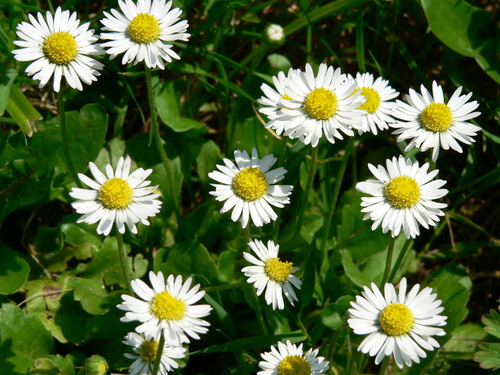
Daisy
Bellis perennis
Used in traditional medicine for eczema, skin boils and other skin diseases. A commercial extract protected cultured human skin cells from UV damage in one lab study.
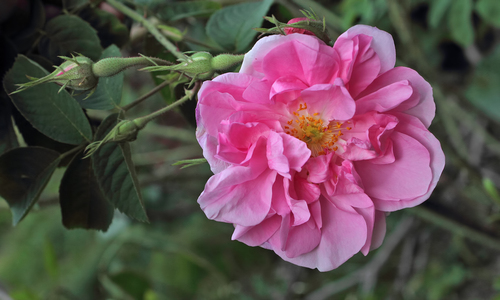
Damask rose
Rosa damascena
EMA traditional use: a wet dressing soaked in petal infusion for minor skin inflammation, on the strength of long use rather than trials.
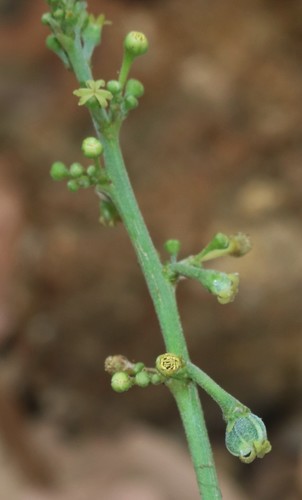
Danti
Baliospermum montanum
Thai traditional medicine uses the root for itching eczema; only lab studies exist.

Durian
Durio zibethinus
Decoctions of the leaves and fruit were applied to swellings and skin diseases. No clinical evidence.
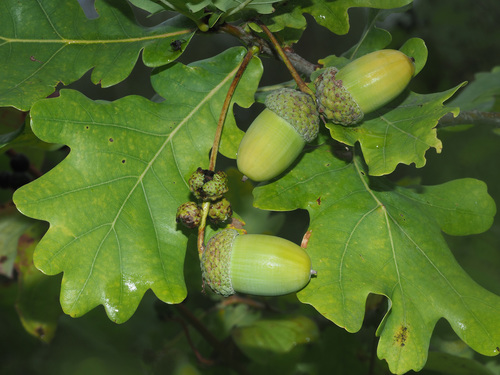
English oak (Pedunculate oak)
Quercus robur
EU traditional-use indication for minor skin inflammation, as rinses, poultices or baths; in dermatology tannins are used to dry oozing skin. No controlled trials.
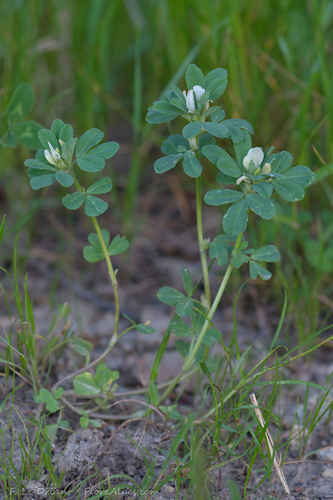
Fenugreek
Trigonella foenum-graecum
The EU monograph accepts a warm poultice of the powdered seed as a traditional remedy for minor skin inflammation. Pliny records the same emollient, 'resolvent' use for swellings and facial eruptions.
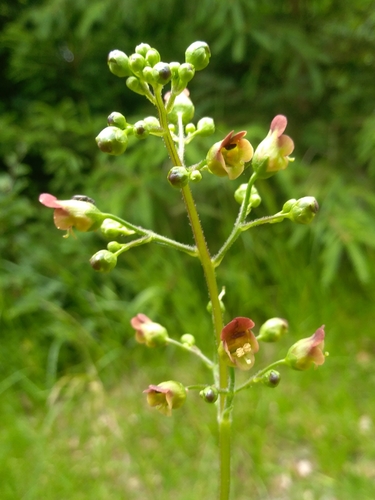
Figwort
Scrophularia nodosa
In the Deliblato Sands region of Serbia the roots and shoots are used for rashes, eczema and skin ulcers; figwort is described as traditionally used for skin disorders.
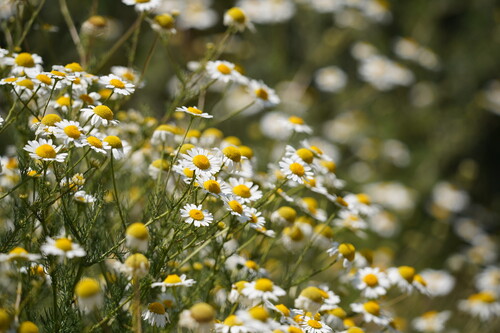
German chamomile
Matricaria chamomilla
EMA traditional use for minor skin inflammation and sunburn; WHO cites trials in which chamomile cream was compared with 0.25% hydrocortisone in eczema, without statistical analysis.

Greater burdock
Arctium lappa
EMA traditional-use indication for seborrhoeic skin conditions; the root was also used in European folk medicine for eczema, acne, psoriasis and poorly healing wounds. A 2025 review found only case reports and small pilot studies in skin disease, and no robust randomised trials.
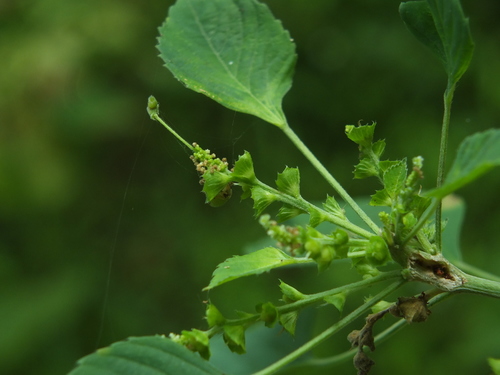
Indian acalypha
Acalypha indica
Used traditionally in various parts of India for skin diseases such as eczema and dermatitis; untested in people.
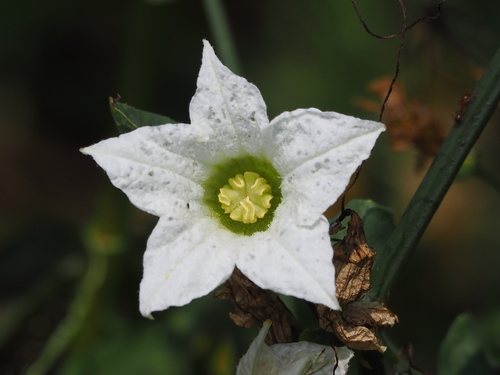
Ivy gourd
Coccinia grandis
The leaves are applied traditionally to skin eruptions, burns and eczema; leaf and stem extracts reduced paw swelling in rats. No human skin trials.

Japanese angelica
Angelica acutiloba
Shiunkō is also used for eczema and dermatitis.
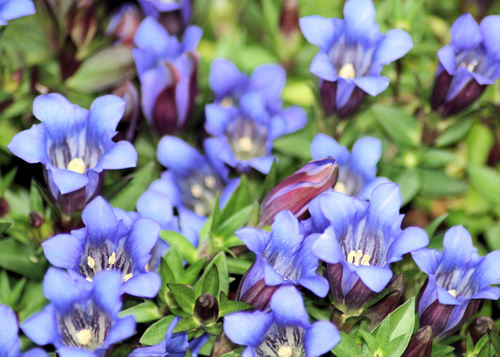
Japanese gentian
Gentiana scabra
WHO records traditional use for eczema, itching of the vulva, vaginal discharge, fungal infections and ear infections.
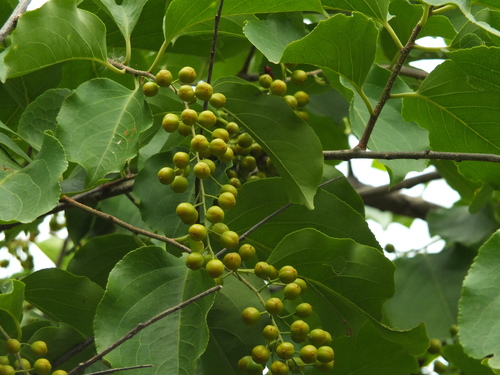
Jyotishmati
Celastrus paniculatus
Ayurveda applies the seed and seed oil to skin ailments including ulcers, scabies, itching, wounds and leukoderma.
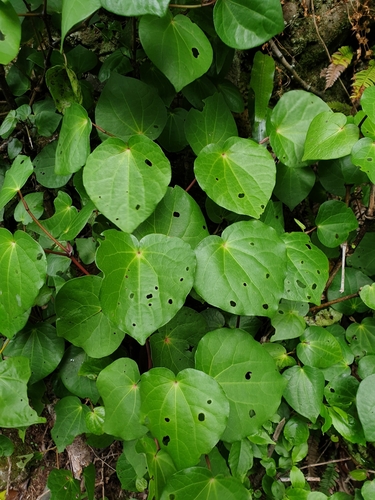
Kawakawa
Piper excelsum
Rongoā Māori applies kawakawa to a range of skin conditions.
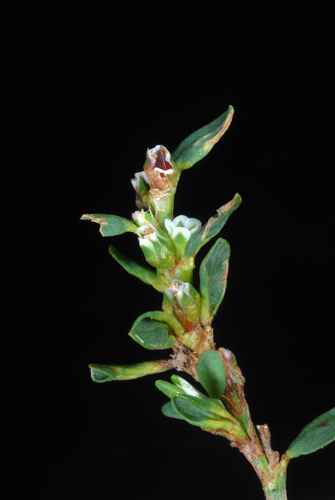
Knotgrass
Polygonum aviculare
Used in Chinese medicine for skin eczema and genital itching.
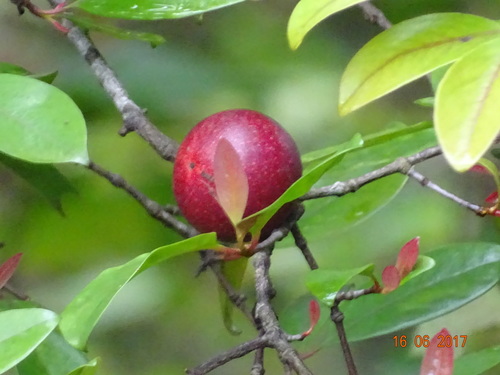
Kokum
Garcinia indica
Used traditionally for inflammation and dermatitis; not clinically tested.
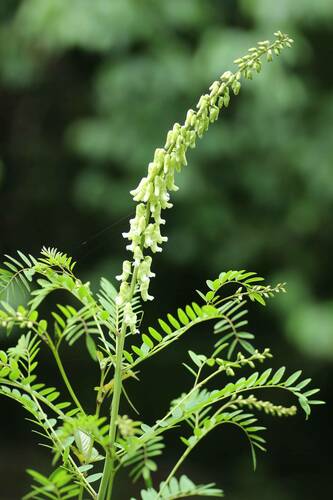
Ku shen
Sophora flavescens
Long used in East Asian traditional medicine for skin conditions; matrine is being tested in registered Chinese trials for dermatitis and eczema. No completed trials of the root alone are cited.
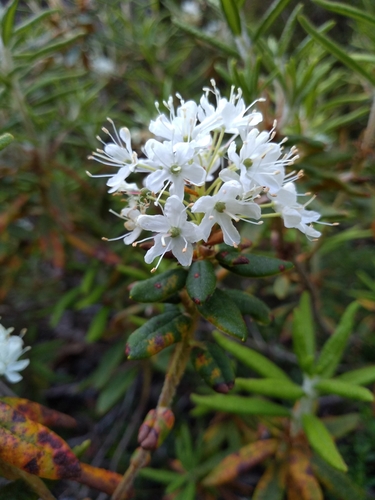
Labrador tea
Rhododendron groenlandicum
The Woods Cree used a decoction as a wash for itchy skin, hand sores and chapped skin and powdered leaves for babies' skin-fold rashes.
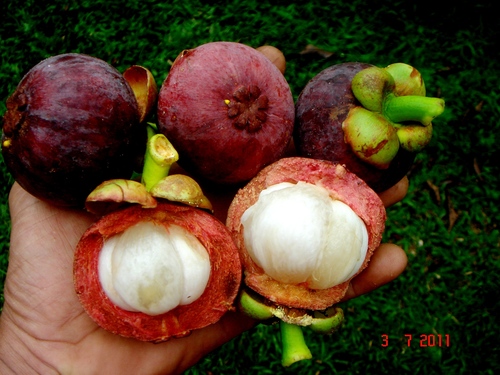
Mangosteen
Garcinia mangostana
In Thai traditional medicine mangosteen is combined with betel leaf (Piper betle) and the Ha-rak root remedy for skin diseases including atopic dermatitis; the combination has only been tested in cell studies.
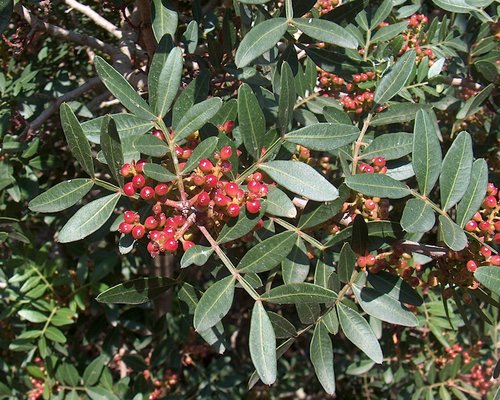
Mastic tree
Pistacia lentiscus
EMA traditional use for symptomatic treatment of minor skin inflammations, based on long-standing pharmacy preparations in Greece rather than trials.
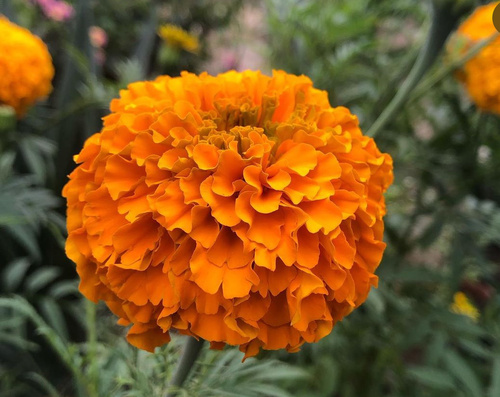
Mexican marigold
Tagetes erecta
Ethnobotanical studies list skin disorders including eczema, acne, scabies, boils, sores and warts; untested.
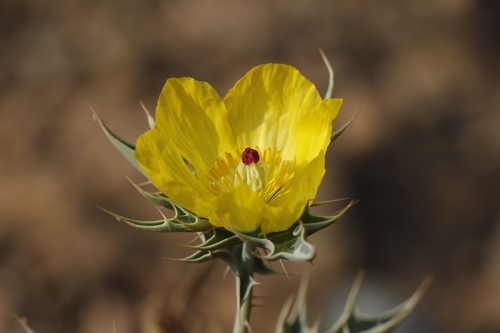
Mexican prickly poppy
Argemone mexicana
Long traditional use for skin diseases, warts and inflammation; not clinically tested.
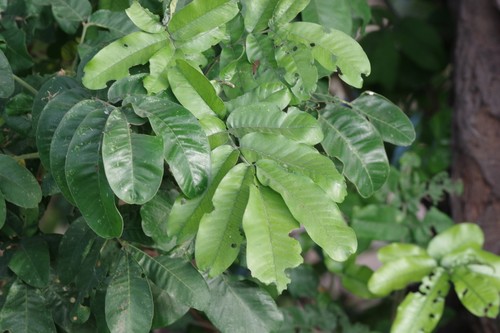
Natal mahogany
Trichilia emetica
A fruit or leaf poultice is applied to eczema, and leaf decoctions are used in steam baths for dermatitis. There are no clinical data.

Neem
Azadirachta indica
Used for skin conditions in traditional and Ayurvedic medicine; evidence on safety and effectiveness is limited.
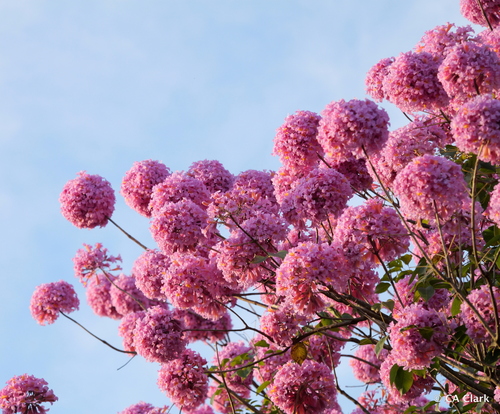
Pau d'arco
Handroanthus impetiginosus
The Callawaya make a concentrated inner-bark tea, and bark poultices are used, for inflammatory skin diseases; anti-psoriatic activity has been shown in lab studies.
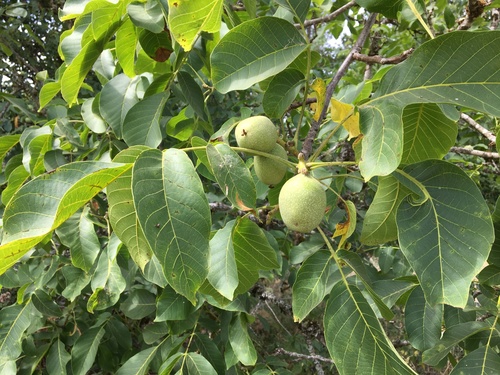
Persian walnut
Juglans regia
EMA traditional use of the leaf decoction as a compress for minor inflammatory skin conditions and for excessive sweating of the hands and feet; Commission E approved the same uses in 1990.
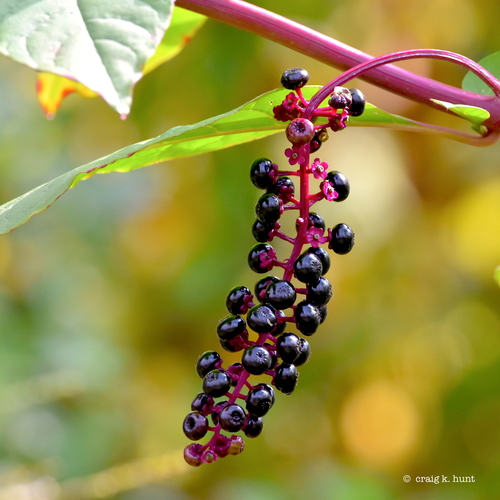
Pokeweed
Phytolacca americana
Cherokee used an infusion of the root for eczema.
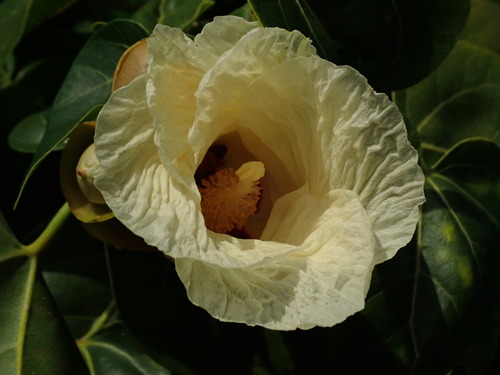
Portia tree
Thespesia populnea
The fruits, flowers and leaves are applied to the skin for scabies, psoriasis, eczema and herpes. Kani and Irula communities in Tamil Nadu use fruit juice or leaf paste for skin diseases.
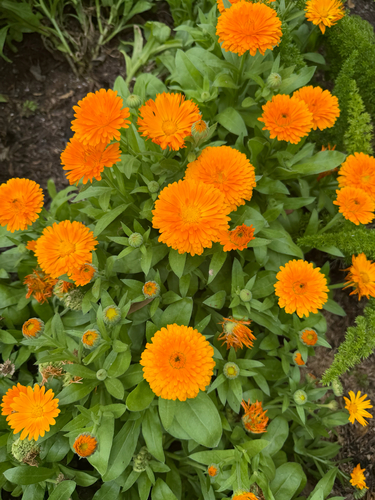
Pot marigold
Calendula officinalis
EMA traditional use for minor skin inflammation.

Purple fleabane
Baccharoides anthelmintica
Taken by mouth as a 'blood purifier' in scabies and eczema and applied to the skin, in Indian folk medicine.

Purple loosestrife
Lythrum salicaria
Eczema and other skin and mucosal complaints were treated with it in traditional European medicine. An aqueous extract reduced inflammatory responses of human neutrophils in the test tube.
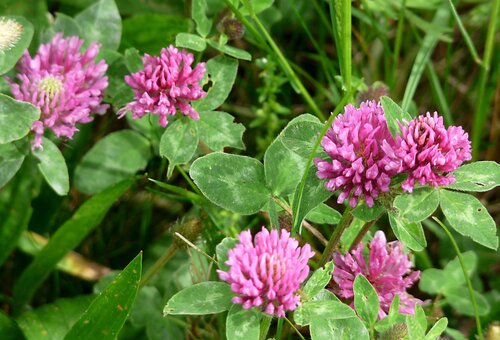
Red clover
Trifolium pratense
WHO records traditional topical use for skin disorders such as eczema and psoriasis; there are no clinical trials.
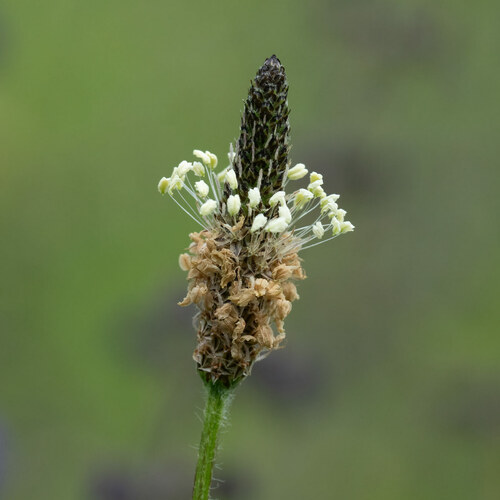
Ribwort plantain
Plantago lanceolata
EU traditional-use indication for minor inflammation of the skin, applied as a cold-water macerate on a dressing. No clinical studies.
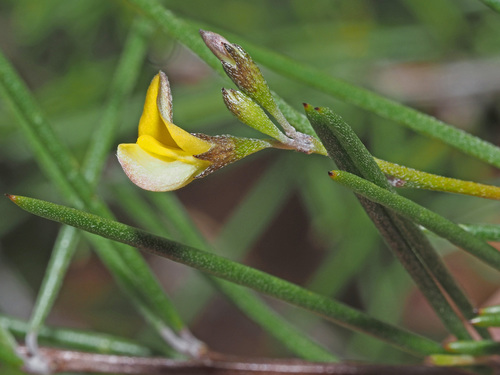
Rooibos
Aspalathus linearis
Used traditionally for 'dermatological problems'; no trials of rooibos for any named skin disease were found.
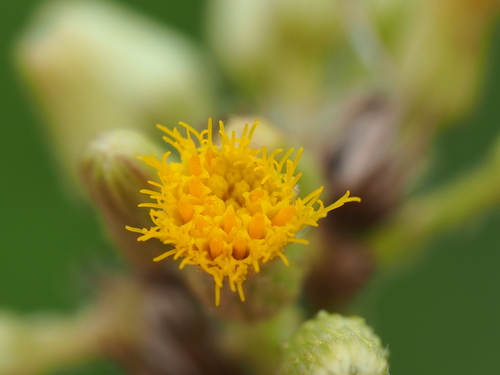
Sambong
Blumea balsamifera
In Chinese use the whole plant or leaves treat eczema and dermatitis. Lab studies show antibacterial and antifungal activity of the oil.
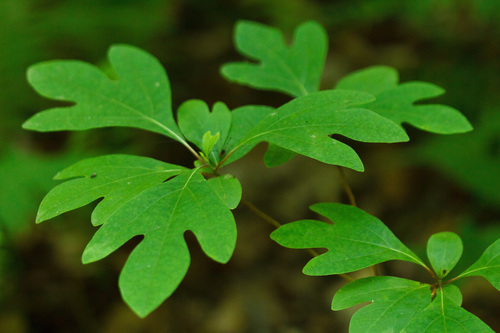
Sassafras
Sassafras albidum
Historical analysis of a 17th-century Jesuit report from a Huron-Wendat village suggests sassafras was used for itchy rashes resembling atopic dermatitis; Cherokee and Iroquois poulticed wounds and sores with it. No trials.
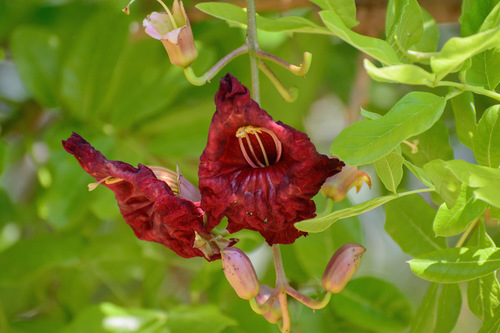
Sausage tree
Kigelia africana
Fruit ointments are used for dermatitis, eczema and psoriasis in West Africa and Nigeria, and stem and leaf decoctions for eczema and herpes in South Africa and Namibia. The review notes that commercial skin products exist but are mostly unstandardised.
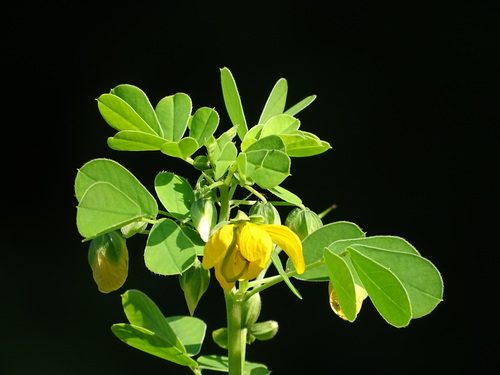
Sickle senna
Senna tora
The Sonowal Kachari people of Assam apply a paste of 7–9 fresh leaves to eczema and skin infections for 3–5 days.
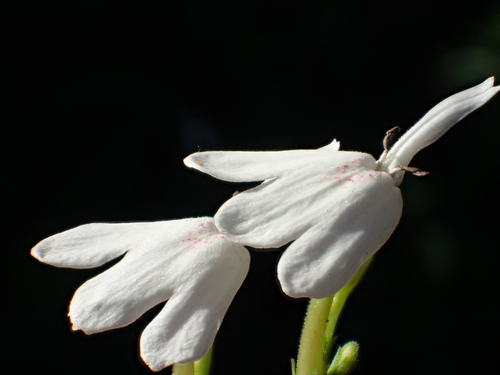
Snake jasmine
Rhinacanthus nasutus
External paste for psoriasis, eczema and ringworm; leaves for prickly heat and scurf.
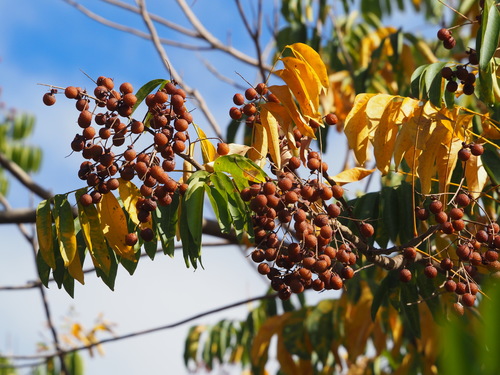
Soapnut
Sapindus mukorossi
Fruits are used for eczema, pimples and psoriasis in natural medicine, and fruit and seed for skin diseases in Myanmar.

Soapwort
Saponaria officinalis
Used topically for eczema, psoriasis and acne; in 19th–20th-century Serbian folk medicine the steamed leaf was used for chronic peeling skin diseases and glandular swellings; in Lithuania the herb is rubbed with water to cleanse skin impurities.
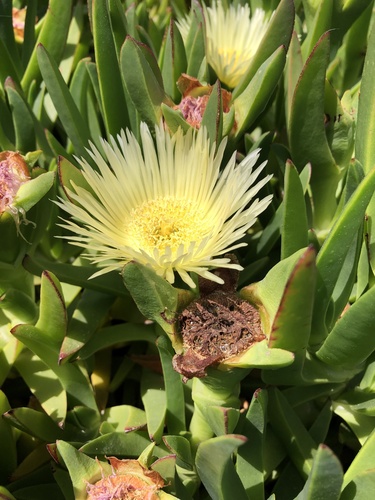
Sour fig
Carpobrotus edulis
Used for skin ailments including ringworm, dermatitis, eczema, sunburn, nappy rash and cold sores.
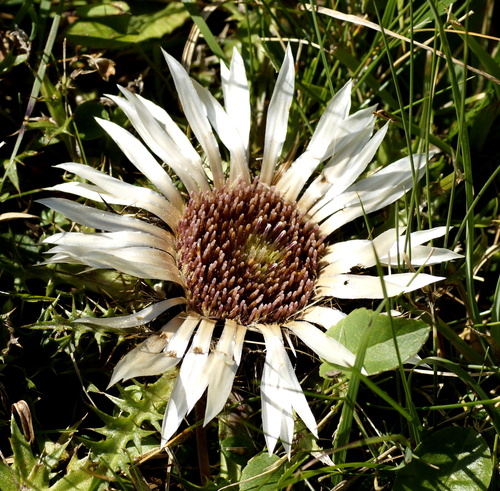
Stemless carline thistle
Carlina acaulis
The root was historically applied for many skin diseases, and in the Balkans is still used for skin complaints, acne, eczema, ulcers and wounds (central Serbia, Montenegro, North Macedonia). No clinical studies.
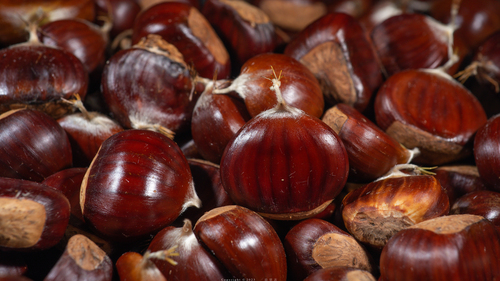
Sweet chestnut
Castanea sativa
Leaves are used in Mediterranean folk medicine for skin inflammation; there is no clinical testing.
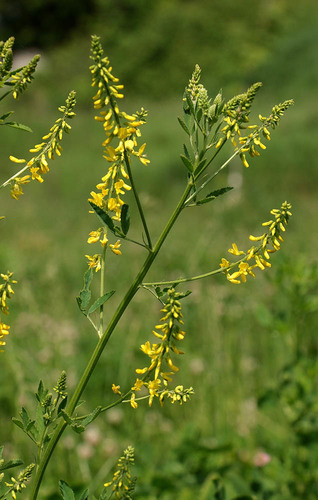
Sweet clover
Melilotus officinalis
EMA traditional use as a skin patch (oil-ethanol extract) for minor skin inflammation, based on long use of the Polish melilot plaster (Emplastrum Meliloti).

Sweet violet
Viola odorata
Used in folk medicine for urticaria, eczema and allergic dermatitis; no trials found.
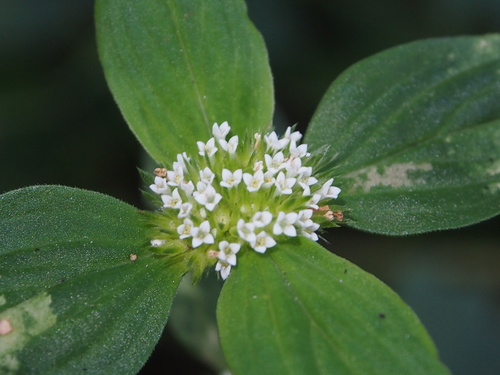
Tropical girdlepod
Mitracarpus hirtus
In West Africa the leaves are widely used for scabies, infectious dermatitis and eczema. Not tested clinically.

Wild dagga
Leonotis leonurus
Decoctions are applied to the skin or taken by mouth for eczema, skin rashes, boils and itching.
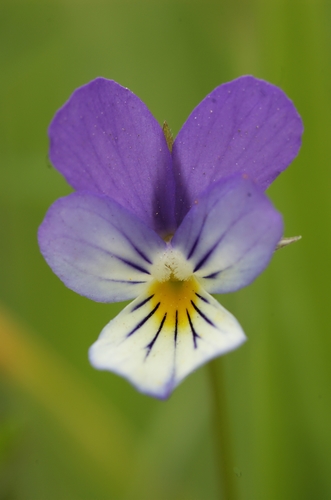
Wild pansy
Viola tricolor
EMA traditional-use indication: symptomatic treatment of mild seborrhoeic skin conditions, taken as a tea or applied as a wet dressing or bath. It was historically given for weeping and dry eczema and for cradle cap in infants. The only controlled trial found was of a combination ointment (with Oregon grape and gotu kola) in 88 adults with atopic dermatitis, which did not do significantly better than the base cream.
Evidence against
AgainstGood trials found no benefit.
Borage
Borago officinalis
A 2013 Cochrane review (27 trials, 1,596 participants; 8 trials of borage oil) found that oral borage oil did not improve global eczema symptoms more than placebo and concluded it is not an effective treatment.
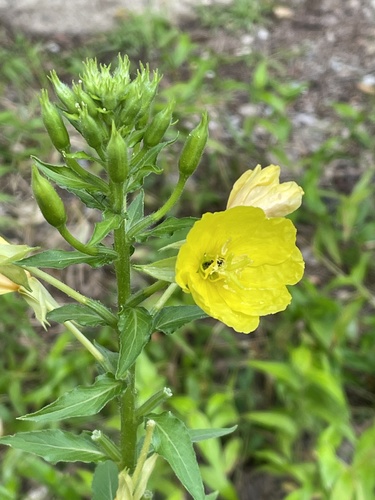
Evening primrose
Oenothera biennis
A 2013 Cochrane review of 19 trials found oral evening primrose oil no better than placebo for overall eczema symptoms, judged by patients or doctors, and concluded further trials would be hard to justify. An earlier meta-analysis of 9 small trials, cited by WHO, had been positive.
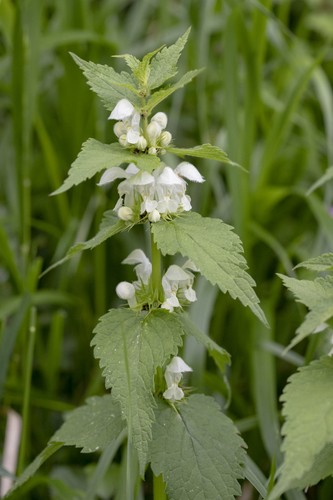
White dead-nettle
Lamium album
In a double-blind randomised trial of 49 people with atopic dermatitis, a combination of Eleutherococcus, yarrow and white dead-nettle for two weeks did no better than placebo.