The Apothecary / Mind & memory
Dementia
16 remedies
See a doctor if
Memory loss that is getting worse needs a medical assessment; some causes are treatable.
Reference, not prescription. Nothing here is medical advice. Herbs can interact with medicines and be dangerous in pregnancy; tell your doctor or pharmacist about anything you take.
Strong evidence
StrongAn approved medicine, or consistent good-quality trials and reviews.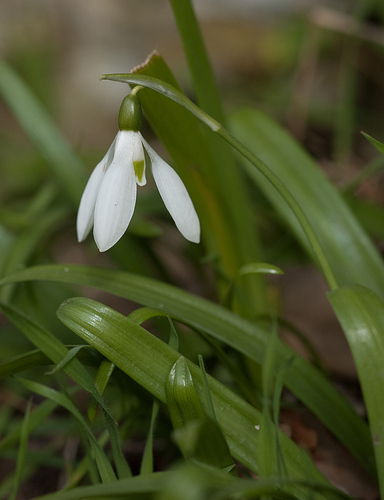
Caucasian snowdrop
Galanthus woronowii
As the purified drug galantamine (not the plant): a 2024 Cochrane review of 21 trials (10,990 people) found high-certainty evidence that 16–24 mg a day slows decline in cognition (ADAS-cog −2.86 points), daily function and behaviour at six months in Alzheimer's dementia, with more nausea (20.9% vs 8.4%) and dropouts than placebo.
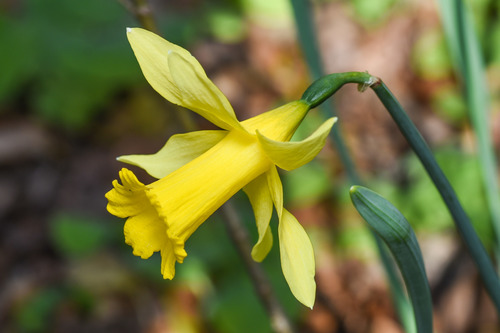
Daffodil
Narcissus pseudonarcissus
As the purified drug galantamine, not the plant: a 2024 Cochrane review of 21 trials (10,990 people) found high-certainty evidence that 16–24 mg a day improves cognition in Alzheimer's dementia at six months by about 2.9 points on the ADAS-cog, a small effect near the minimum that matters clinically, with more nausea (21% vs 8%) and drop-outs. In mild cognitive impairment it probably does not help.
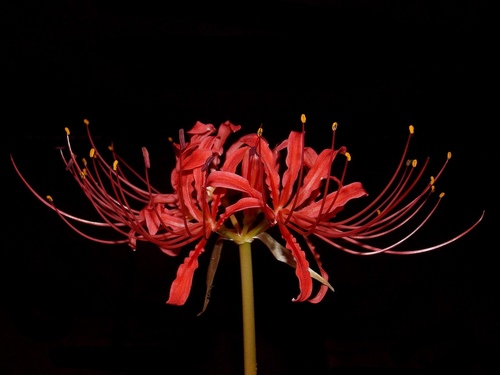
Red spider lily
Lycoris radiata
The strong grade applies only to the purified drug galantamine, a reversible acetylcholinesterase inhibitor found in Lycoris and approved by the US FDA for mild-to-moderate Alzheimer's disease. The bulb itself is poisonous and is not a treatment.
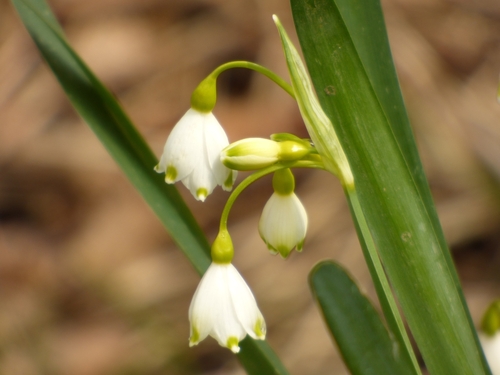
Summer snowflake
Leucojum aestivum
Galantamine (16–24 mg/day), not the plant, is the evidence base: a 2024 Cochrane review of 21 trials (10,990 people) found high-certainty improvements in cognition and daily function in Alzheimer's dementia at six months and fewer deaths, but more nausea (21% v 8%) and drop-outs. In mild cognitive impairment it probably does not help.
Limited evidence
LimitedSmall or few trials, mixed results, or mainly lab and animal work.
Cat's claw (Gou teng)
Uncaria rhynchophylla
Agitation and other behavioural symptoms of dementia: a 2016 meta-analysis of five trials (381 patients) found that yokukansan (Yi-Gan San, containing Uncaria hook) modestly reduced total symptom scores (SMD −0.32), including delusions, hallucinations and agitation, but not in the Alzheimer's-only subgroup; a 2026 placebo-controlled trial in 100 people with Alzheimer's disease reported a larger fall in NPI scores at 4 weeks. Tolerability was similar to placebo.
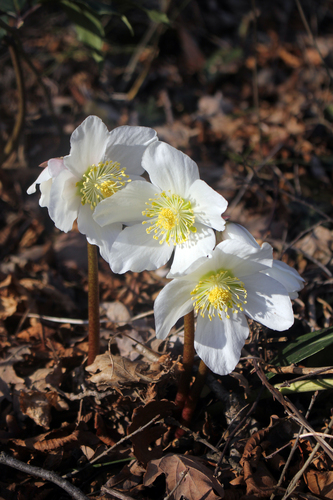
Christmas rose
Helleborus niger
In a retrospective, single-centre study of 79 older adults with dementia at a German geriatric rehabilitation clinic, patients given subcutaneous injections of Helleborus niger 12x (a homeopathic dilution) twice weekly for about three weeks, on top of standard care, had larger gains on the MMSE than patients on wards that did not use it (effect size d = 1.5). Treatment depended on which senior physician ran the ward, not randomisation. The authors call the result preliminary and ask for randomised, blinded trials.
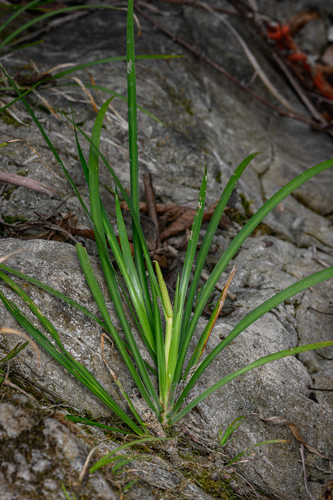
Japanese sweet flag
Acorus gramineus
Two Chinese clinical studies (93 and 152 patients with Alzheimer's disease) reported better MMSE and daily-living scores with β-asarone plus tenuigenin; leaf extracts reduced tau pathology in mice. The herb itself has not been tested in people with dementia.
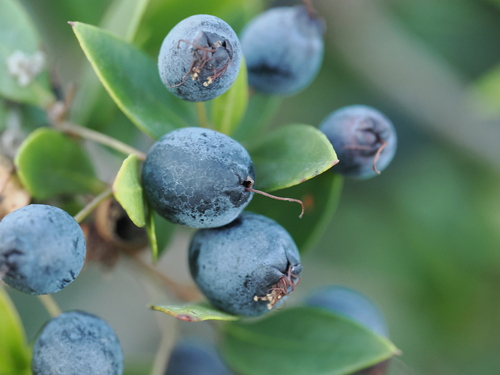
Myrtle
Myrtus communis
In a 4-week trial in 50 nursing-home residents with mild-to-moderate Alzheimer's disease, 500 mg capsules of leaf extract raised MMSE scores versus placebo; needs confirmation.
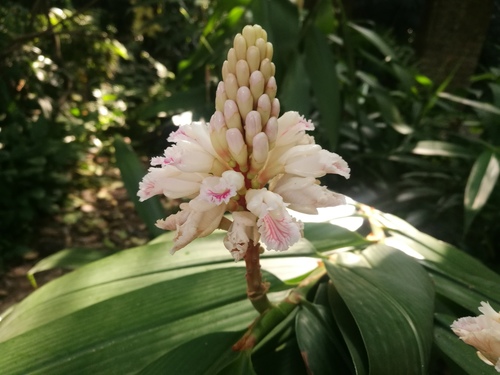
Sharp-leaf galangal
Alpinia oxyphylla
Traditionally given as a remedy for dementia and to benefit cognition. Extracts and compounds (nootkatone, protocatechuic acid, oxyphylla A) protected nerve cells in cell, mouse and zebrafish models of Alzheimer's and Parkinson's disease; reviewers note the research remains limited and preclinical.
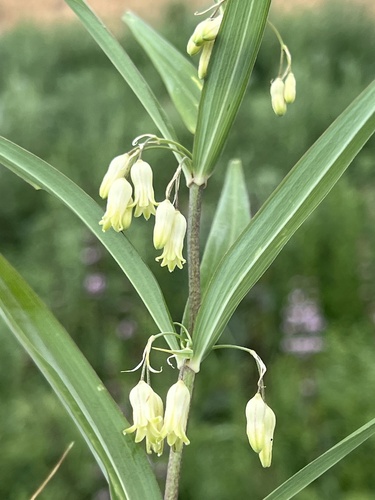
Siberian Solomon's seal
Polygonatum sibiricum
Polysaccharides protected nerve-like PC12 cells from amyloid-β toxicity in culture; this is laboratory work only.
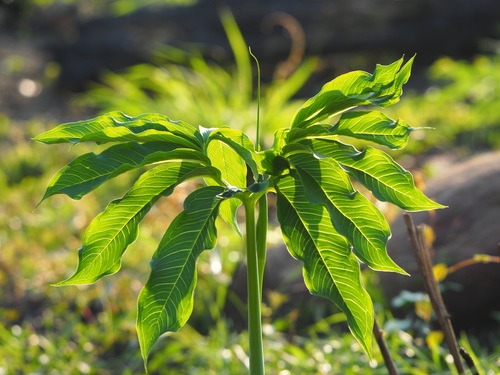
Tian nan xing
Arisaema heterophyllum
An ethanol extract of A. heterophyllum, and linoleic acid identified as its most active constituent, reduced Alzheimer-like changes in zebrafish and cell models. This is laboratory work only.

Toothed clubmoss
Huperzia serrata
A 2013 meta-analysis of 20 randomised trials (1,823 people with Alzheimer's disease, nearly all Chinese) found better scores on the Mini-Mental State Examination and daily-living scales with huperzine A than with placebo, but most trials had a high risk of bias. In a US multicentre trial of 210 patients, 200 µg twice daily did not improve the main cognitive score (ADAS-Cog) at 16 weeks; 400 µg twice daily showed a smaller, secondary improvement.
Traditional use
TraditionalLong recorded use, essentially untested in clinical trials.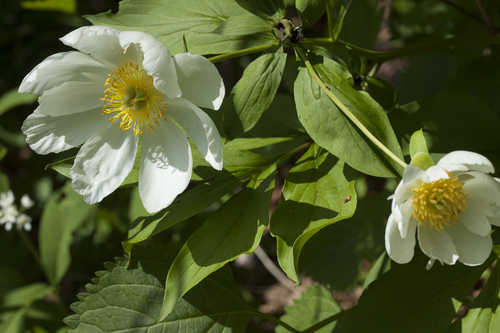
Chinese peony
Paeonia lactiflora
Used for dementia according to WHO; paeoniflorin improved maze performance in rats with drug-induced memory impairment, but there are no clinical trials.

French lavender
Lavandula stoechas
Unani medicine gives Ustukhuddūs by mouth, or as a paste on the head, for dementia (nisyan) and 'mental weakness'. Its nootropic effects have been shown only in animal and lab studies.
Evidence against
AgainstGood trials found no benefit.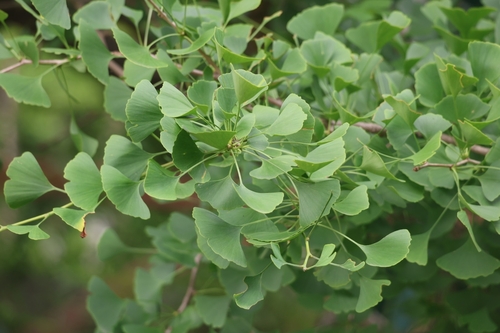
Ginkgo (Maidenhair tree)
Ginkgo biloba
As prevention: the GEM trial gave over 3,000 people aged 75 and older ginkgo or placebo for a median of about 6 years and found no difference in rates of dementia or Alzheimer's disease.
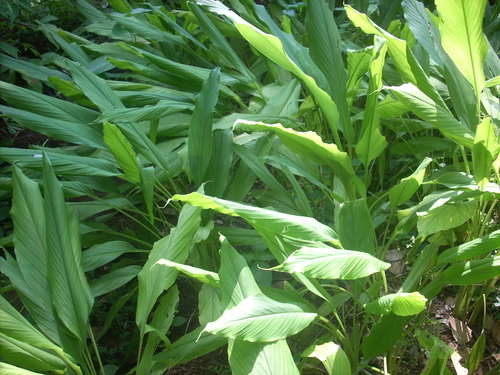
Turmeric
Curcuma longa
MSK summarises trials of curcumin in Alzheimer's disease as showing no benefit.