The Apothecary / Muscles & joints
Back pain
22 remedies
See a doctor if
With numbness in the groin, loss of bladder or bowel control, fever, or after a fall.
Reference, not prescription. Nothing here is medical advice. Herbs can interact with medicines and be dangerous in pregnancy; tell your doctor or pharmacist about anything you take.
Moderate evidence
ModerateSeveral trials, mostly positive, or an EMA ‘well-established use’ monograph.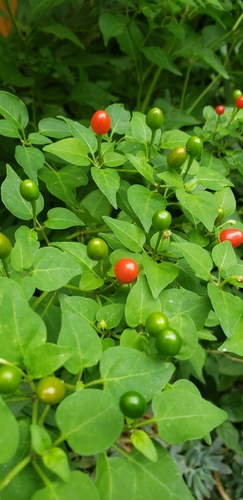
Chilli pepper
Capsicum annuum
EMA well-established use: capsicum plasters and creams for muscle pain such as low back pain, adults only. A Cochrane review found capsicum cream or plaster probably better than placebo for chronic low back pain (3 trials, 755 people, moderate-quality evidence).
White willow
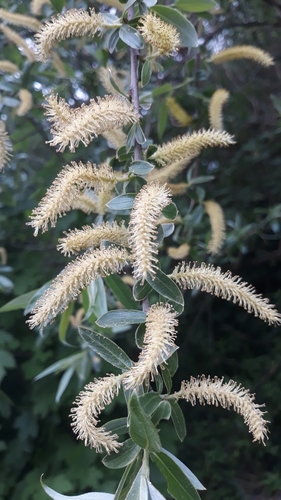
Salix alba
EMA well-established use for short-term low back pain. A Cochrane review found extracts standardised to 120 or 240 mg salicin daily probably better than placebo for short-term pain (2 trials, 261 people, moderate-quality evidence); in the largest trial 39% on the higher dose were pain-free in the last week versus 6% on placebo.
Limited evidence
LimitedSmall or few trials, mixed results, or mainly lab and animal work.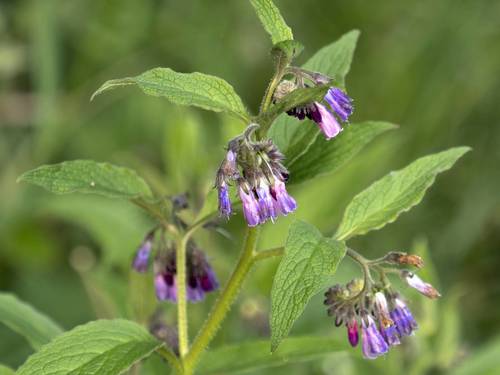
Comfrey
Symphytum officinale
A placebo-controlled trial in 120 people with acute upper or lower back pain found a comfrey root cream reduced pain on movement much more than placebo over 5 days; studies were largely manufacturer-supported.
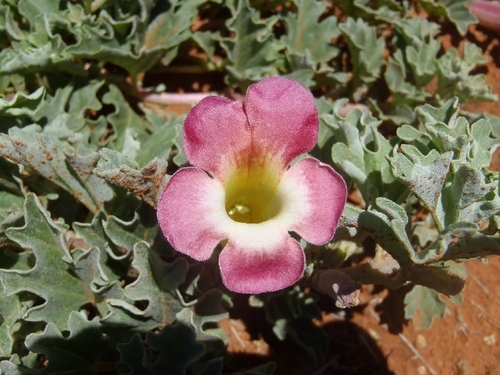
Devil's claw
Harpagophytum procumbens
A Cochrane review (2014) found low-quality evidence from two trials (315 people) that extracts standardised to 50 or 100 mg harpagoside daily may reduce short-term pain and use of rescue painkillers compared with placebo; one very-low-quality trial found it roughly equivalent to rofecoxib 12.5 mg.

Dog rose
Rosa canina
The proprietary rose hip and seed powder Litozin has been used in exploratory studies in low back pain; effect sizes are unclear (abstract).
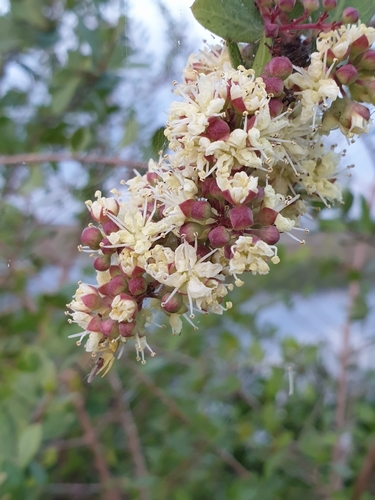
Henna
Lawsonia inermis
In a randomised double-blind trial of 81 people with chronic sciatica, an oil made from henna's water extract in sesame oil, applied three times daily for four weeks, reduced pain and disability more than sesame oil or placebo. One trial only.

Orient vine
Sinomenium acutum
Ankylosing spondylitis: a meta-analysis of 12 low-quality RCTs (835 patients) found oral sinomenine added to conventional drugs improved disease activity (BASDAI), morning stiffness and CRP.
Traditional use
TraditionalLong recorded use, essentially untested in clinical trials.
Ammoniac
Dorema ammoniacum
Jorjani mentions it for sciatica, and it is applied with honey for joint pain and stiffness; Iranian folk use includes sciatic pain.

Caterpillar fungus
Ophiocordyceps sinensis
Listed in the Chinese Pharmacopoeia for 'limp, aching lower back and knees' as a sign of kidney deficiency.
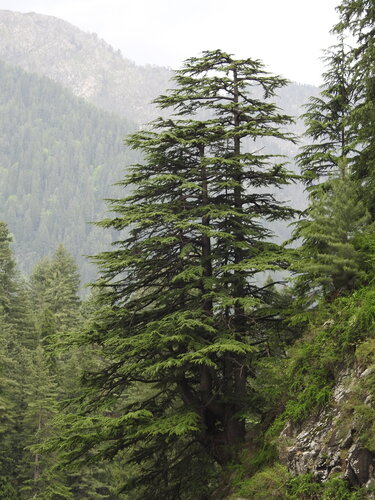
Deodar
Cedrus deodara
Devadaru heartwood is one of eight herbs in Rasnasaptakam kwath, an Ayurvedic decoction for grudhrasi (sciatica-type pain); a randomised trial of a regimen including it is only at the protocol stage.

Desert broomrape
Cistanche deserticola
Used in Chinese medicine for cold, sore lower back and knees attributed to kidney yang deficiency; untested clinically.
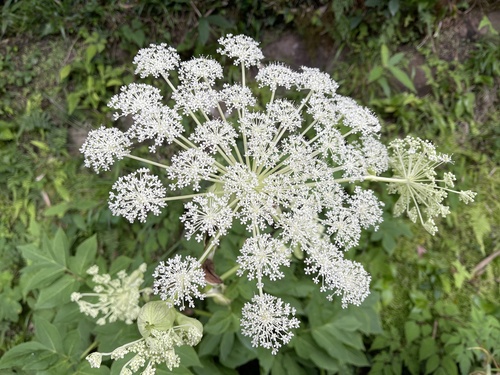
Du huo
Angelica pubescens
The Chinese Pharmacopoeia lists Duhuo for wind-cold-damp joint pain and pain of the lower back and knees; Yuan-dynasty physician Wang Haogu recorded it for pain in the waist and legs. No trials of the herb alone were found.
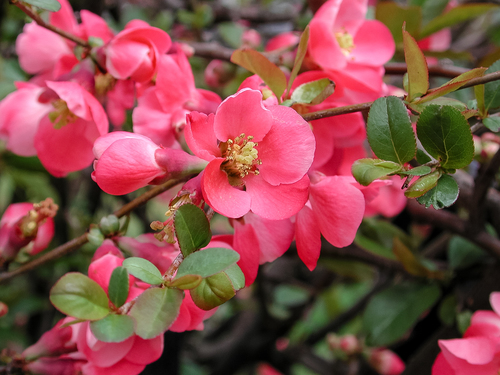
Flowering quince
Chaenomeles speciosa
TCM texts list it for sore, heavy pain in the lower back and knees.
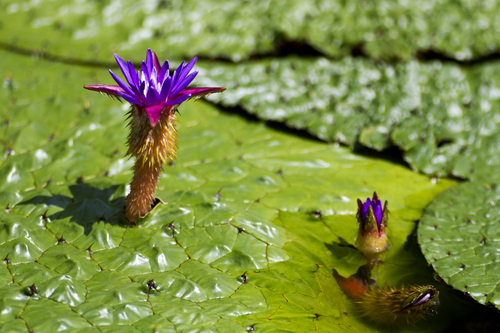
Fox nut
Euryale ferox
The Shennong Bencao Jing credits it with easing backache and knee pain, and later Chinese texts and Kampo sources repeat 'relieving soreness of the waist and knees'.
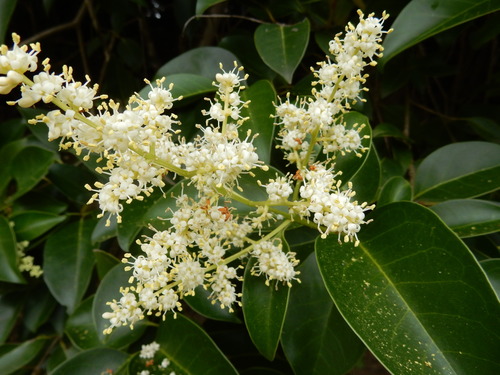
Glossy privet
Ligustrum lucidum
Used in Chinese medicine for soreness and weakness of the lower back and knees, and historically for osteoporotic and rheumatic bone pain; support for bone effects comes from rodent studies.
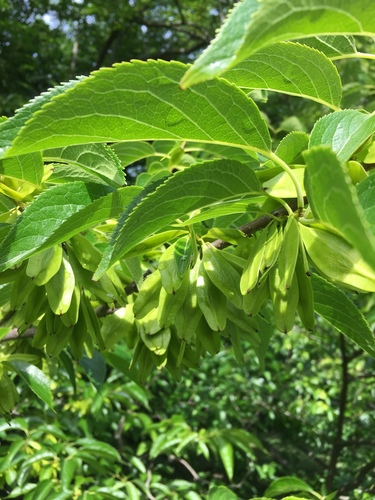
Hardy rubber tree
Eucommia ulmoides
The core Chinese indication: lower-back and knee pain and weakness of tendons and bones from 'liver and kidney deficiency'. Used in patent medicines for osteoporosis, osteoarthritis and lumbar disc disease, but evidence is mostly observational or small studies.
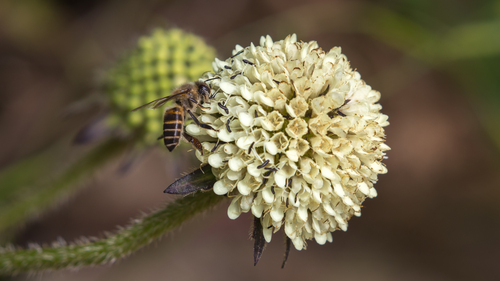
Himalayan teasel
Dipsacus asper
A traditional remedy in China and Korea for lumbar and knee pain, understood in Chinese medicine as a deficiency of the liver and kidney; not tested clinically on its own.
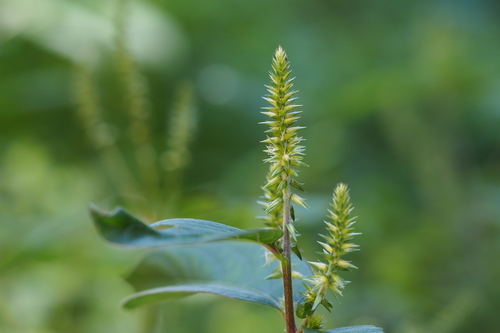
Ox knee
Achyranthes bidentata
Used in Chinese medicine for waist and knee pain and weakness of muscles and bones ('tonifies liver and kidney, strengthens sinews and bones'). No clinical trials of the herb alone were found.
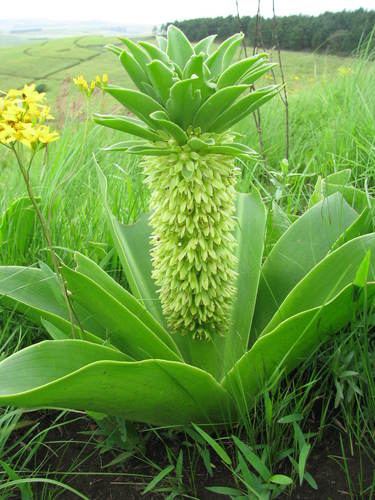
Pineapple flower
Eucomis autumnalis
Among the Zulu, an enema of the bulb decoction is commonly used for low backache, and the subspecies clavata for lumbago. No clinical testing.
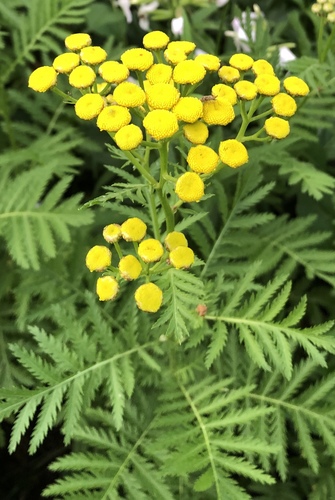
Tansy
Tanacetum vulgare
The Cherokee used an infusion for backache; the Iroquois applied leaf poultices for headaches and body pains.
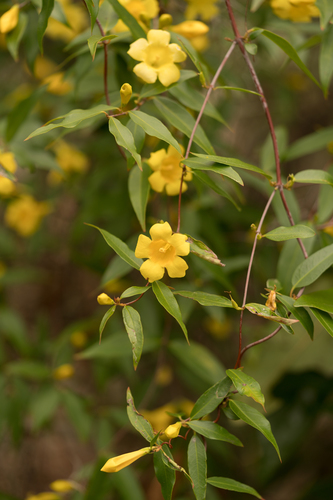
Yellow jessamine
Gelsemium sempervirens
Recorded for spinal inflammation and back pain and as an antispasmodic.