- Animales
- ›Cordados
- ›Vertebrados
- ›Mamíferos
- ›Marsupiales y placentarios
- ›Placentarios
- ›Monos, roedores y parientes
- ›Roedores
- ›Ratones, ratas, hámsters, lemmings, topillos, jerbos, meteoritos y pericotes
- ›Muroidea
- ›Ratones hamsters
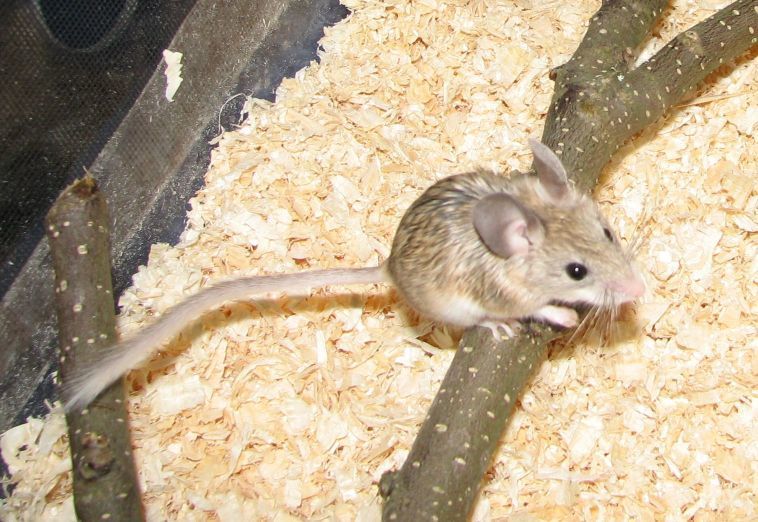
Calomyscus
Mouse-like hamsters, also called brush-tailed mice or calomyscids, are a group of small rodents belonging to the genus Calomyscus found in Syria, Azerbaijan, Iran, Turkmenistan, Afghanistan, and Pakistan. They are found in rocky outcrops and semi-mountainous areas in desert regions. The generic name Calomyscus derives from the Greek word kalos, meaning 'beautiful'; the full name translates to "beautiful mouse".
The mouse-like hamsters are not true hamsters, but represent an early split from the rest of the mouse-like rodents. They were once thought to be hamsters based on the shape of their molars, but they lack the cheek pouches, flank glands and short tails of the true hamsters. The closest relatives of the mouse-like hamsters may be the extinct Cricetodontidae. Because of their seemingly early break from the rest of the mouse-like rodents, mouse-like hamsters have been placed in a family of their own, Calomyscidae, and have been referred to as living fossils.
12 ramas de este taxón (género), de más a menos observadas · unas 12 especies conocidas

Calomyscus kermanensis
especieCalomyscus kermanensis
Calomyscus mystax
especieCalomyscus mystax
Calomyscus elburzensis
especieCalomyscus elburzensis
Calomyscus behzadi
especieCalomyscus behzadi
Calomyscus darvishi
especieCalomyscus darvishi
Calomyscus kiabii
especieCalomyscus kiabii
Calomyscus urartensis
especieCalomyscus urartensis
Calomyscus grandis
especieCalomyscus grandis
Calomyscus hotsoni
especieCalomyscus hotsoni
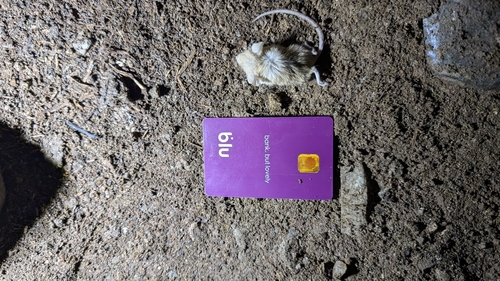
Calomyscus bailwardi
especieCalomyscus bailwardi
Calomyscus baluchi
especieCalomyscus baluchi
Calomyscus tsolovi
especieCalomyscus tsolovi
Dónde vive
Avistamientos registrados
—
registros georreferenciados en GBIF, de museos, herbarios y observadores de campo.
Arrastra el globo para girarlo. Los puntos marcan dónde hay registros, no un mapa de distribución; más oscuro significa más registros.
En los depósitos
Buscando en los depósitos…
Todas las páginas que nombran Calomyscus en la Biodiversity Heritage Library →
Esta página se compone en directo a partir de iNaturalist, GBIF, Wikipedia, la Source Library y el Internet Archive. Aún no forma parte del códice editado a mano. Taxón 44932 de iNaturalist.